


Chakki tables: from ancestral tool to decorative object
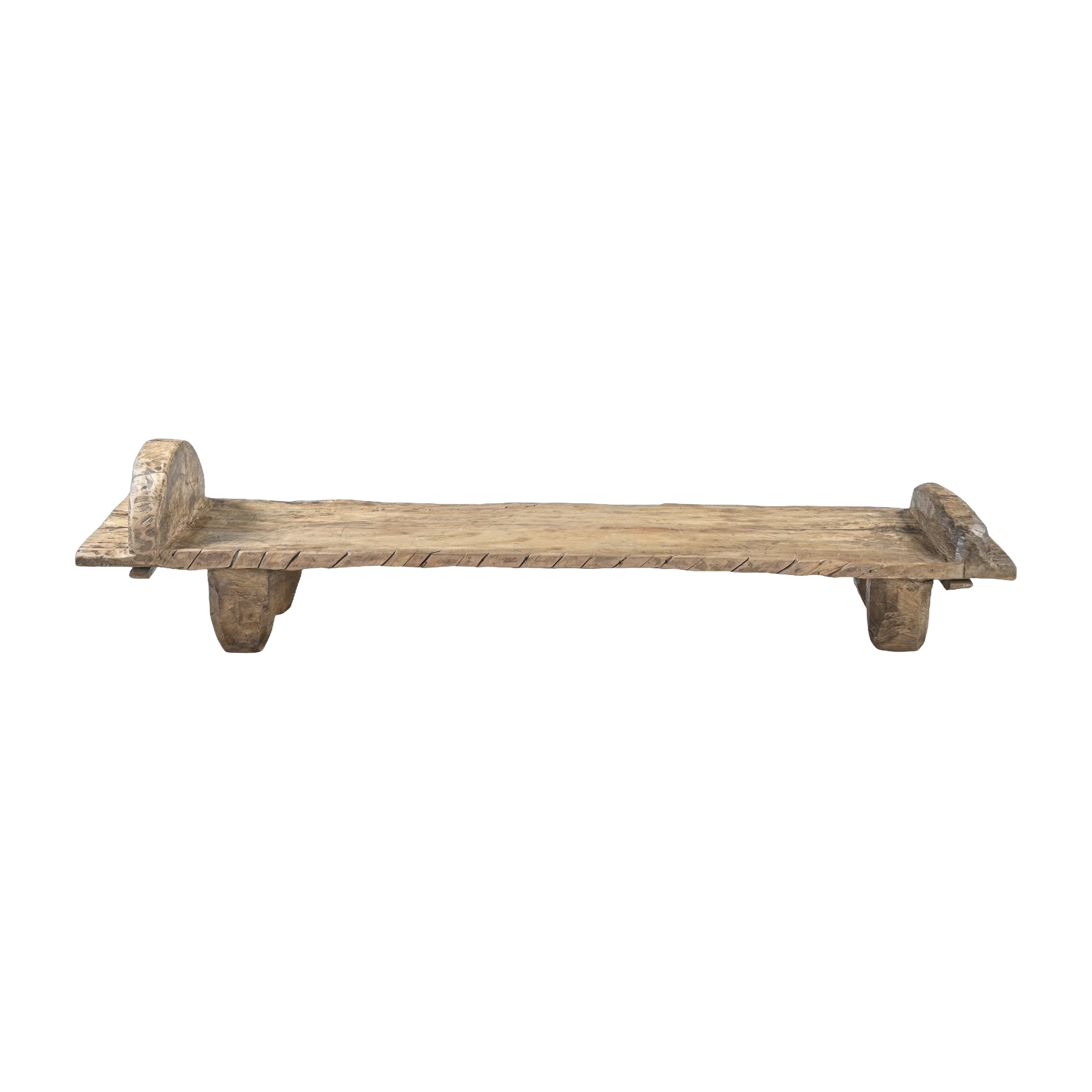
For us, as unconditional decor addicts, chakki tables are key pieces of the bohemian decor we love. But few people know that these carved coffee tables were (and still are) essential to feeding people in rural India... In their former life, these old tables were in fact the lower part of a grain mill. The mill was used to make flour, the main ingredient of everyday Indian bread (roti, chapati, naan, paratha), which is central to the diet of the Indian subcontinent.

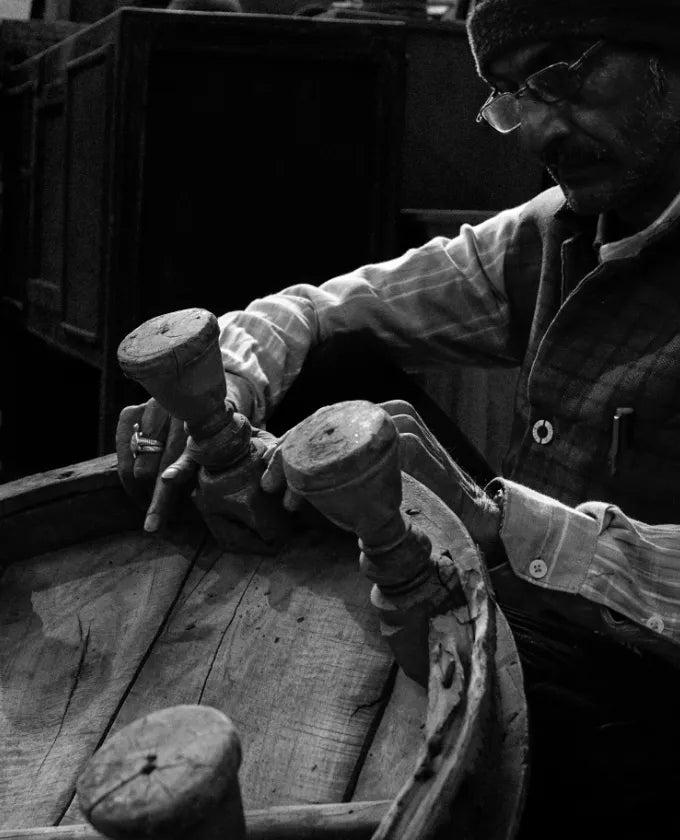
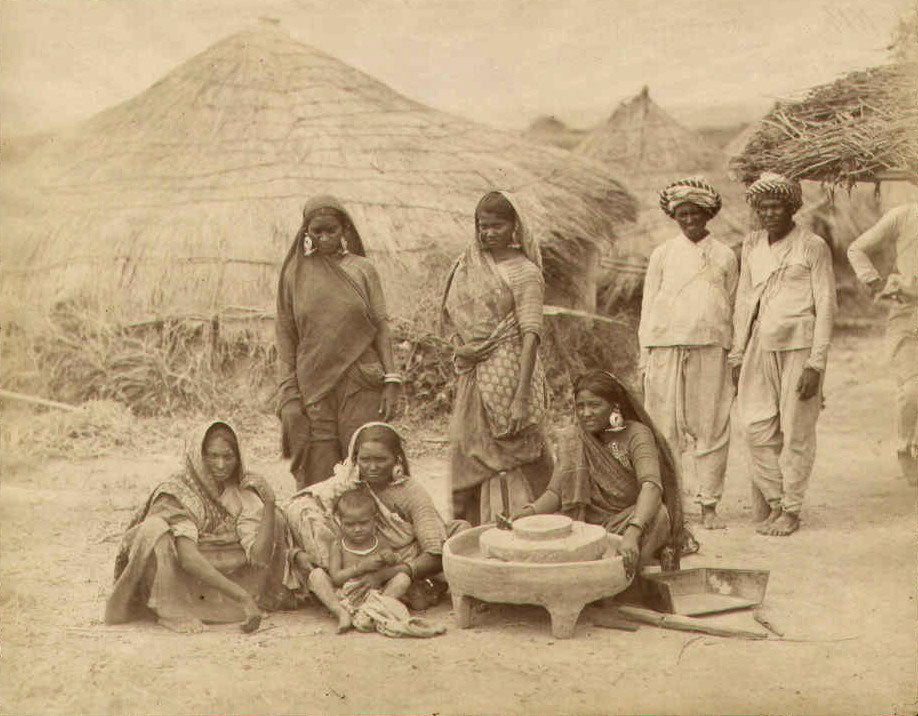
Now for the technical part... At its centre, the table supports two millstones, one on top of the other: the lower one is fixed and the upper one rotates, with a handle to turn it. First, the person pours the grain into the hole in the centre of the stone, then turns the millstone with the handle, as in the video below. The flour is pushed out at the sides of the millstone and collects on the table. It can then be gathered through a small opening on the side of the table. The fineness of the flour can be changed by adjusting the gap between the two millstones with a lever.
The mill was used to grind flour, but also lentils, oats and cotton seeds (used to feed the cows in the villages).
Grinding grain by hand is very physical work, because of the weight of the millstone. In rural areas, it is a task that usually falls to women.

The tables can be made of wood, but also of clay, and more recently even of metal. We have even found mills housed in a tyre cut in half.

Today, the wooden tables are separated from their millstones, restored, and used as the decorative pieces we know. Discover our selection of old chakki tables on our e-shop.

Read more
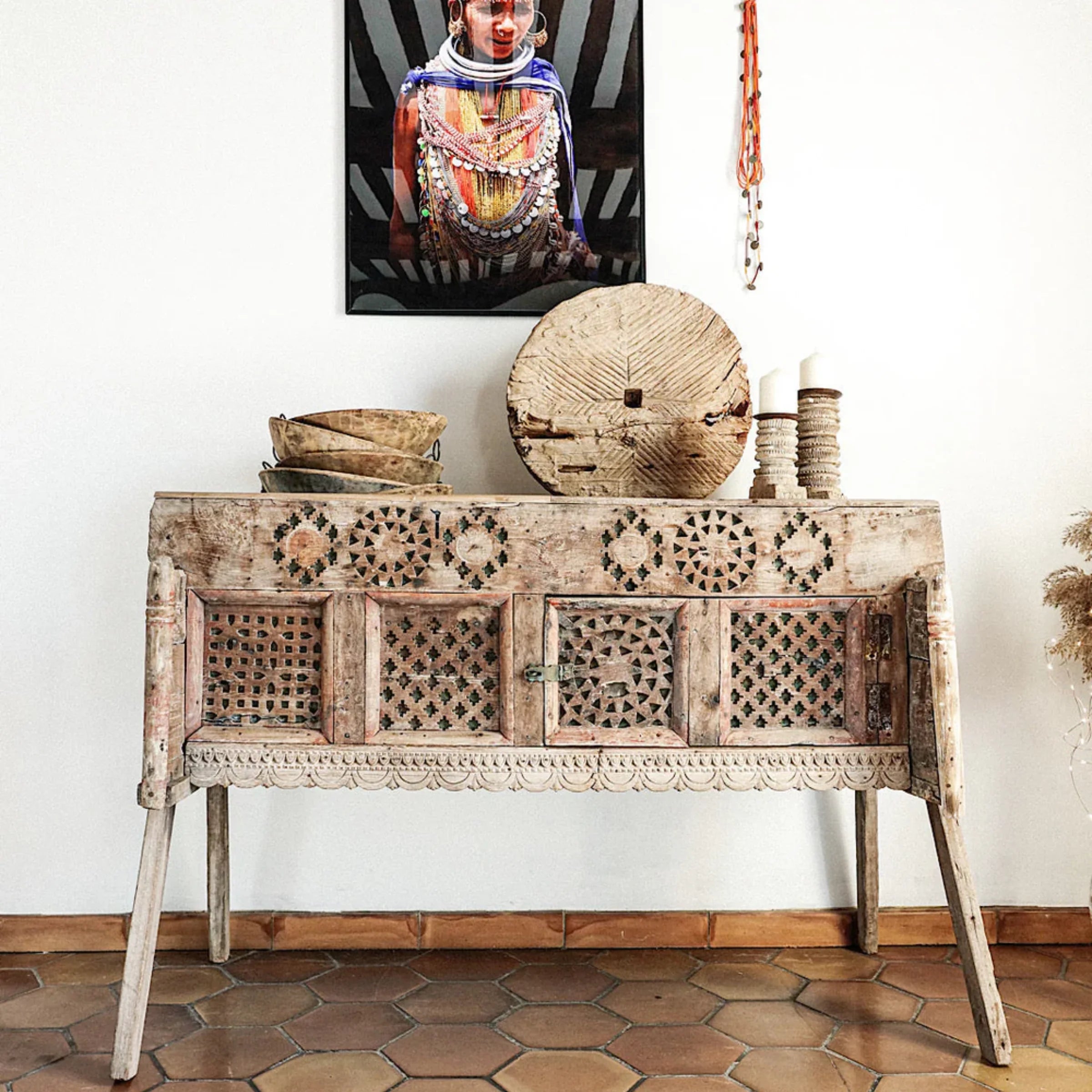
The Damchiya, also known in English as a dowry chest, is a traditional Indian piece of furniture that the bride brought to her in-laws' home after her marriage, and which therefore holds her dowry.
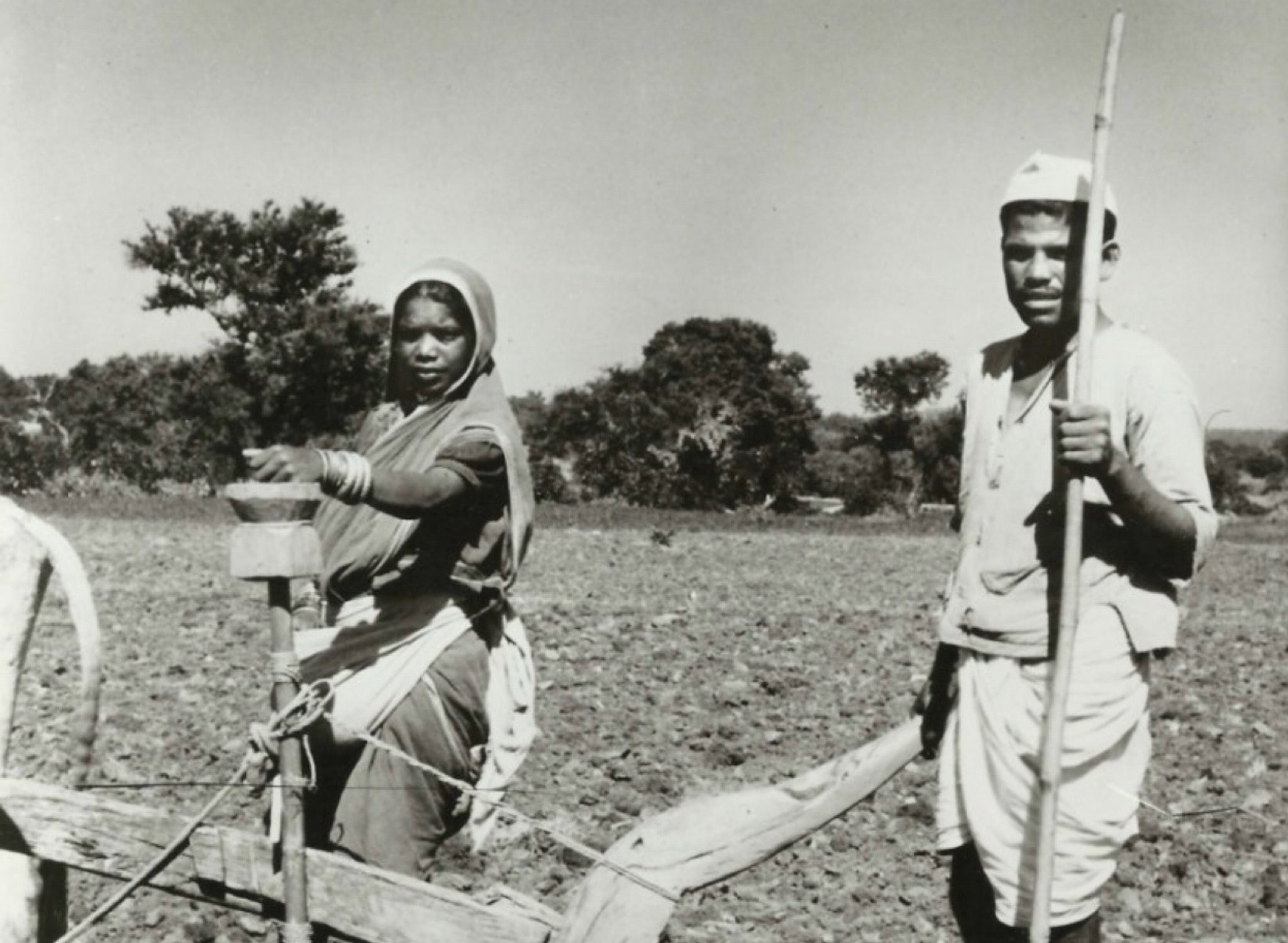
Bijanis were originally farming tools traditionally used to sow fields in India, a technique that was widespread in the 20th century. Hand-carved from solid wood, most often teak, they consist of...
Leave a comment
All comments are moderated before being published.
This site is protected by hCaptcha and the hCaptcha Privacy Policy and Terms of Service apply.