


How to decorate a coffee table? Our tips & ideas
Much more than a simple functional piece of furniture, the coffee table holds a central place in the decoration of a living room. Placed at the heart of the room, it naturally draws the eye and plays a full part in its atmosphere. A few well-chosen decorative objects are enough to turn it into a true composition, both aesthetic and personal.
Books, candles, vases, pots, trays, textiles, handcrafted objects... there are many ways to decorate a coffee table. The key is to find the right balance, so as to show off the piece without overloading its surface.
How do you decorate a coffee table with taste? What should you put on it? How should you arrange the objects? Discover our advice for creating a harmonious decoration, along with four decorating ideas for a Naga coffee table to recreate at home.
Our general advice
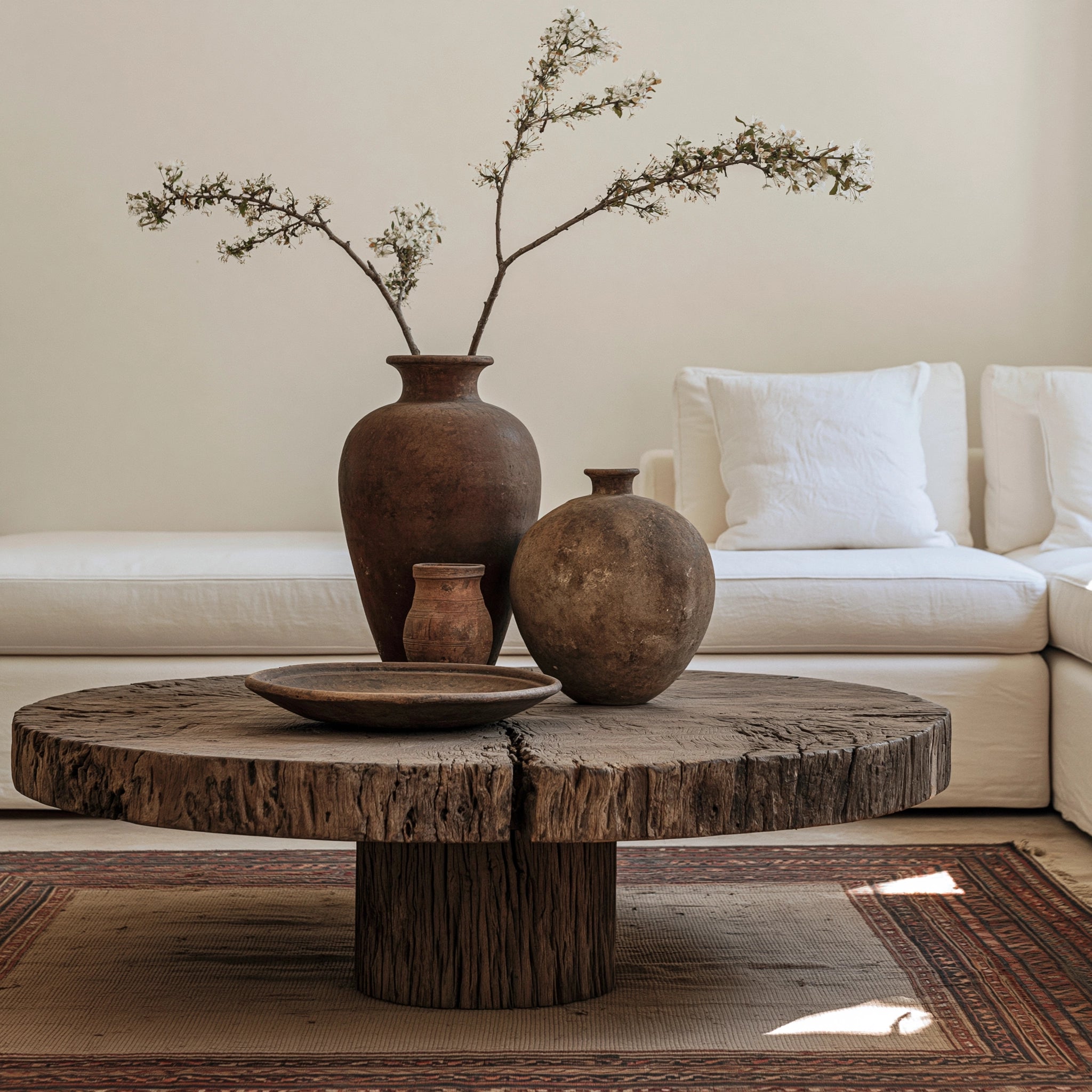
Before arranging your decorative objects, start by defining the colours of your composition. For a harmonious result, favour two or three main shades in keeping with the decoration of your living room.
Natural colours such as beige, ecru, brown or terracotta create a soft, warm atmosphere. They go particularly well with a raw wood coffee table.
A few touches of black can then add depth and create a more contemporary contrast. A black vase, a dark tray or a small box, for example, can highlight the warm tones of the wood.
You can also pick up a colour already present in your living room: that of a cushion, a rug, an armchair or a light fitting. This subtle echo creates a real common thread in your interior decoration.
leave space and avoid overloading the table
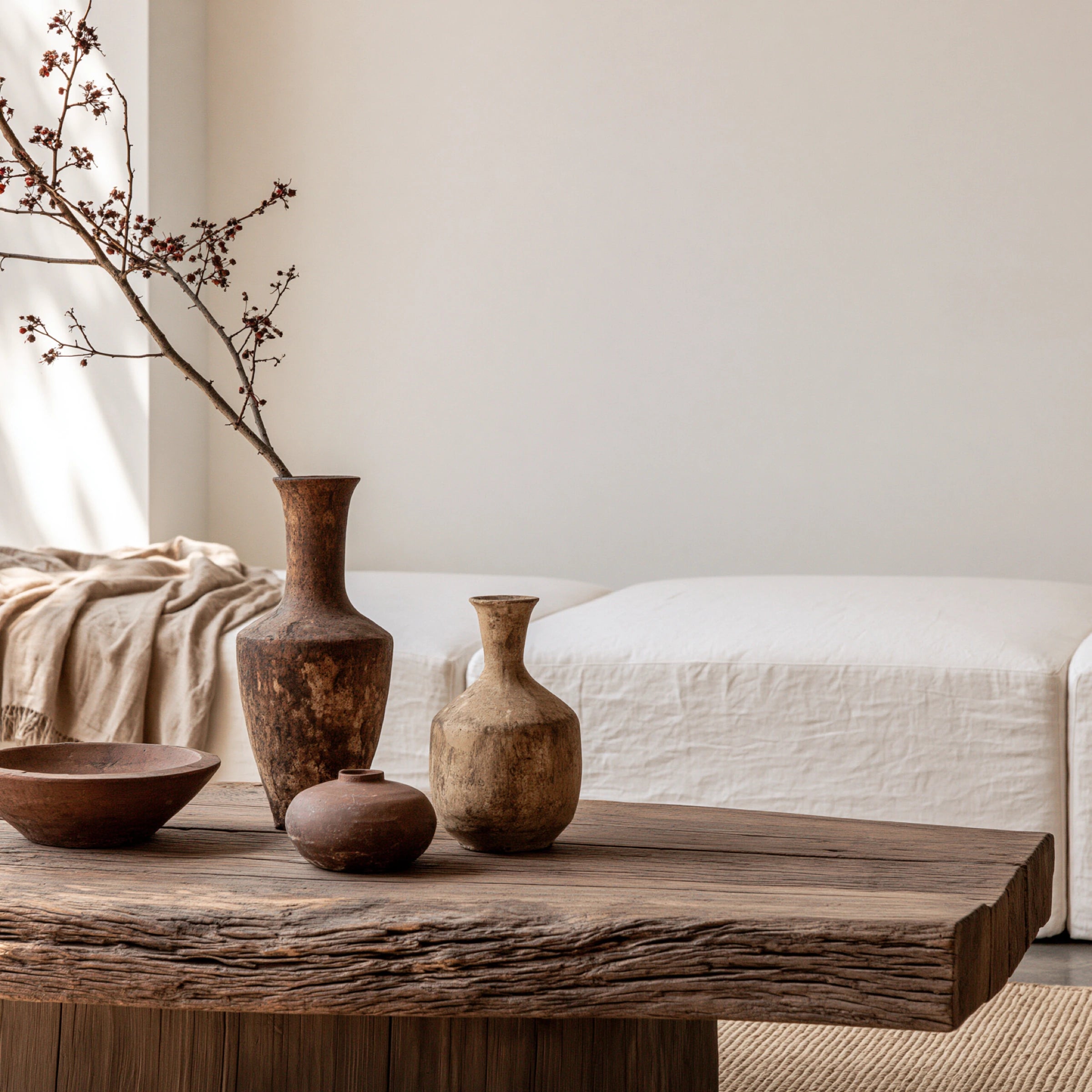
One of the most common mistakes when decorating a coffee table is trying to fill its entire surface.
Yet empty space is an integral part of the decoration. It lets the eye move freely and gives each object more importance.
Instead of scattering lots of accessories, gather them into small decorative groups.
The rule of three is an excellent starting point: combine, for example, a book, a candle and a pot. Three objects of different shapes and heights are often enough to create a balanced composition.
On a large rectangular coffee table, such as the Naga tables, you can create two or three distinct decorative areas, leaving space between each of them.
On a small coffee table, a single composition is generally enough.
play with heights, shapes and materials
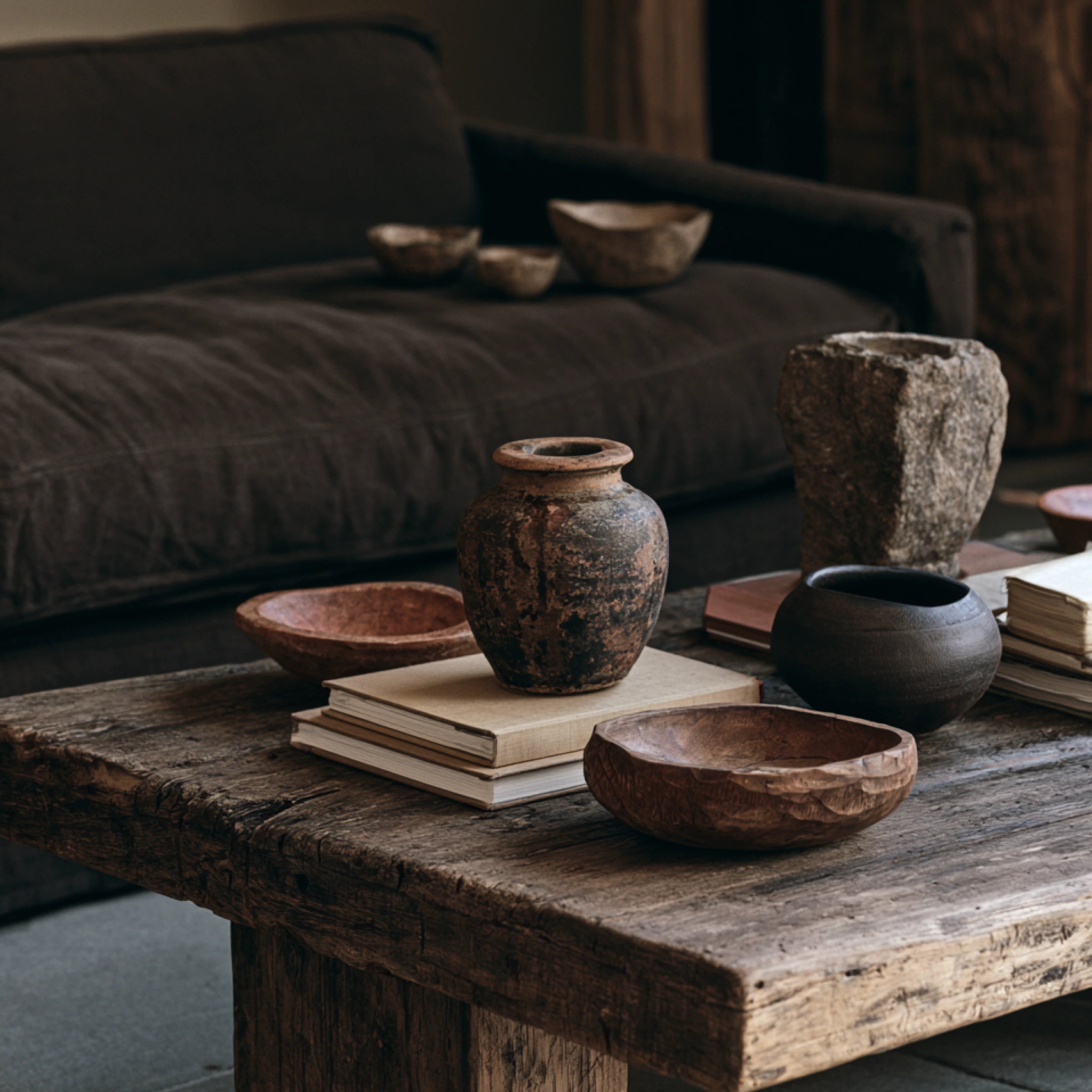
To add depth to your coffee table decoration, avoid choosing only objects of the same size.
Create different levels by stacking certain items. You can, for example, place a small piece of pottery on a book, set a lower candle nearby and then add a slightly taller vase.
Remember to vary the shapes as well.
The rectangular lines of a book or a tray can be softened by a round pot, a cup, a small dish...
This alternation between straight lines and rounded shapes makes the composition much more lively.
Finally, do not hesitate to mix materials. Raw wood, stoneware, terracotta, paper, metal, glass, stone and natural fibres can sit together in the same decoration.
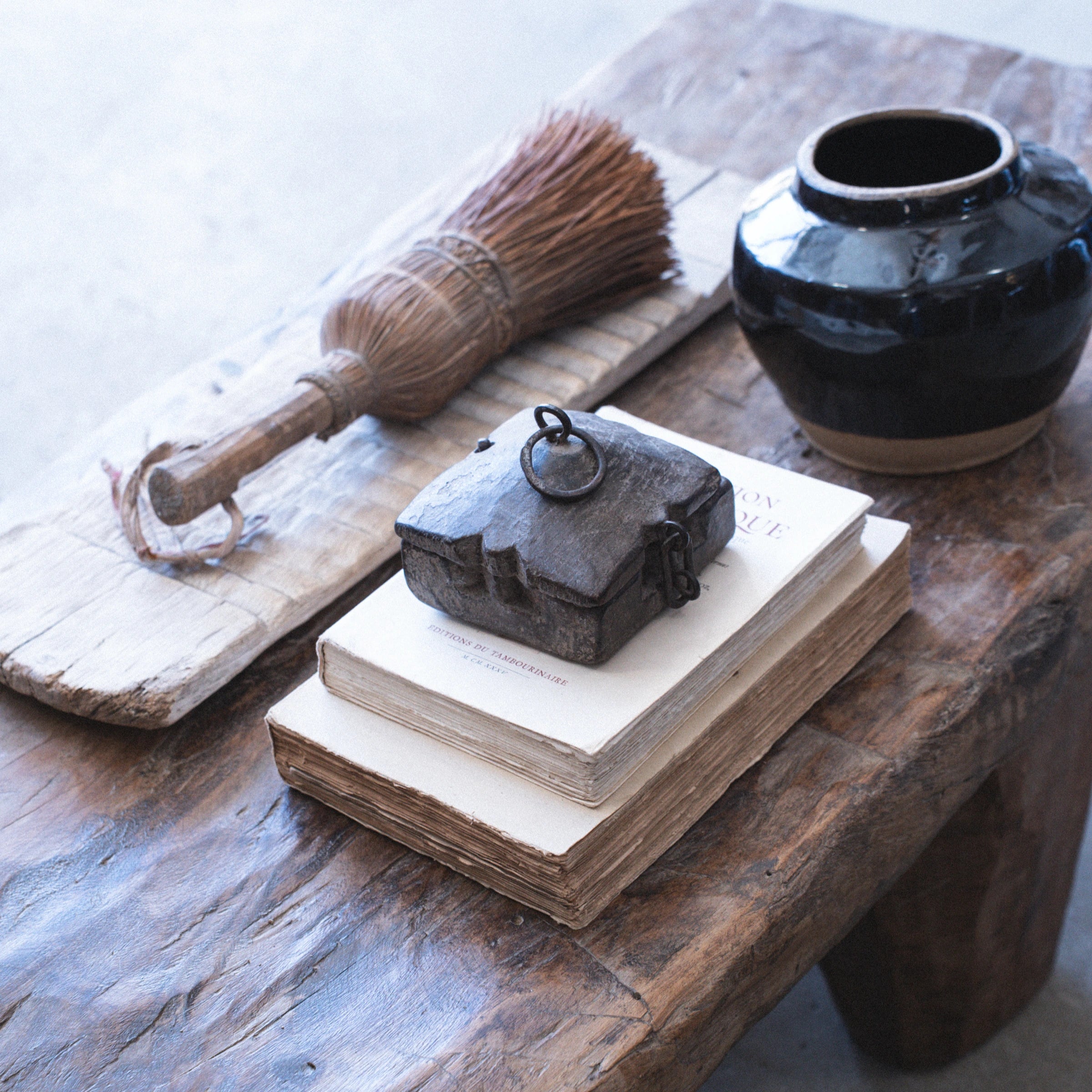
showcase a piece that already has strong character, such as a naga table
With their old wood, natural patina and irregularities, Naga coffee tables already have strong decorative character. As each piece is one of a kind, the aim is not to hide the surface of the table but, on the contrary, to bring out the grain, the shades and the marks left by time.
To decorate a Naga coffee table, therefore, opt for a fairly pared-back composition.
Natural materials, handcrafted pottery, old books and objects with imperfect shapes go particularly well with this authentic spirit.
To create more contrast, you can also add a few graphic or contemporary objects. A black pot, a dark tray or an object with clean lines will add depth while bringing out the warmth of the wood.
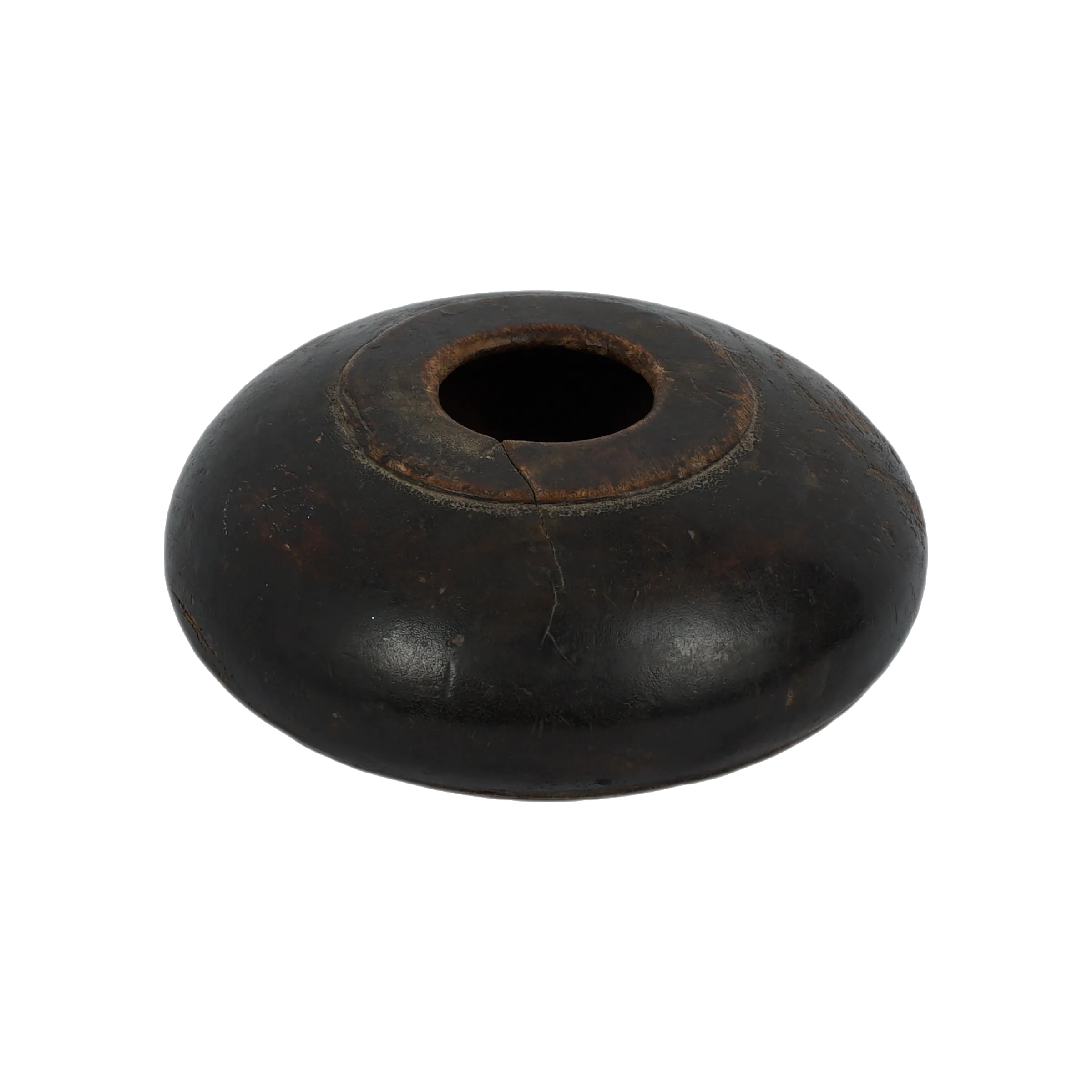
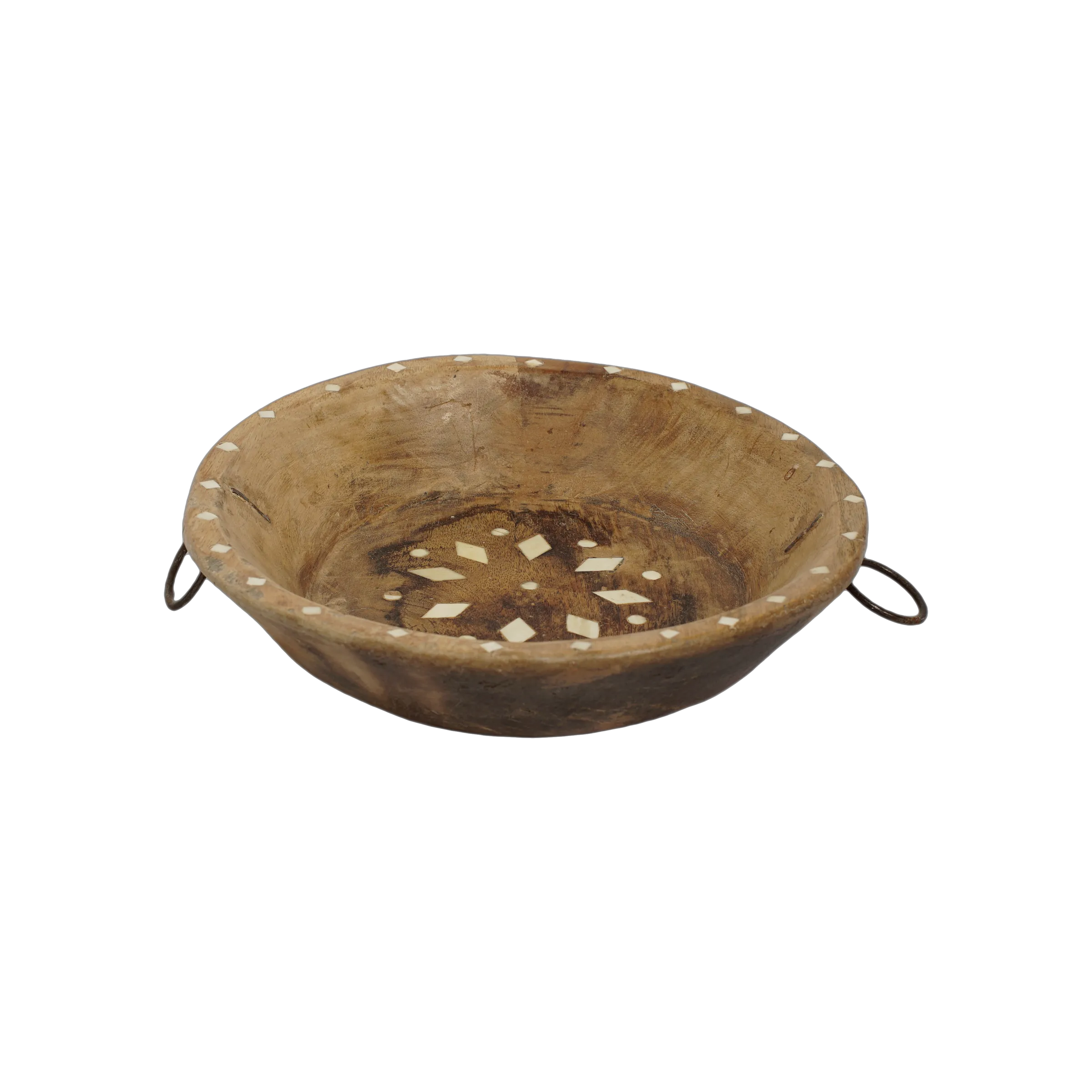
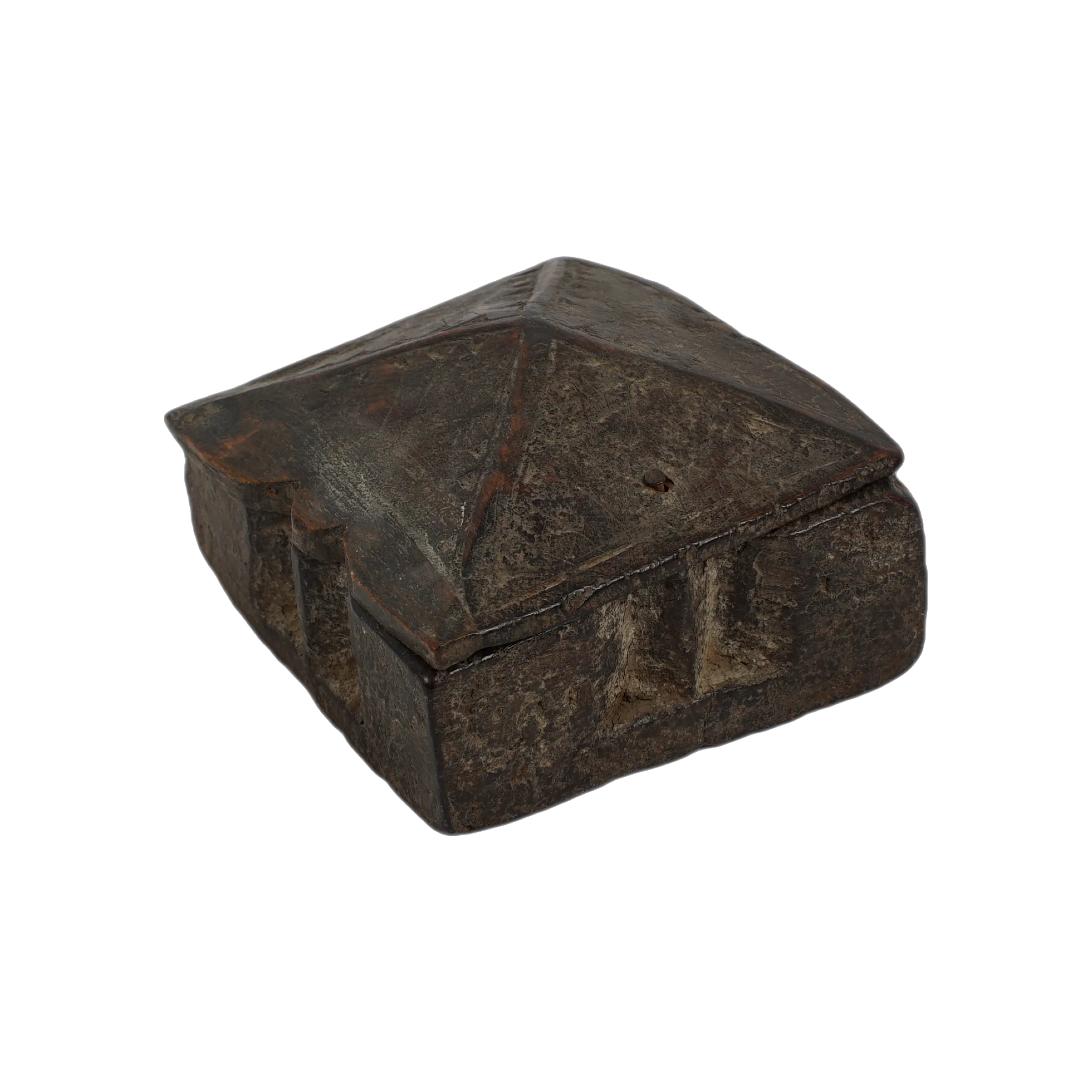
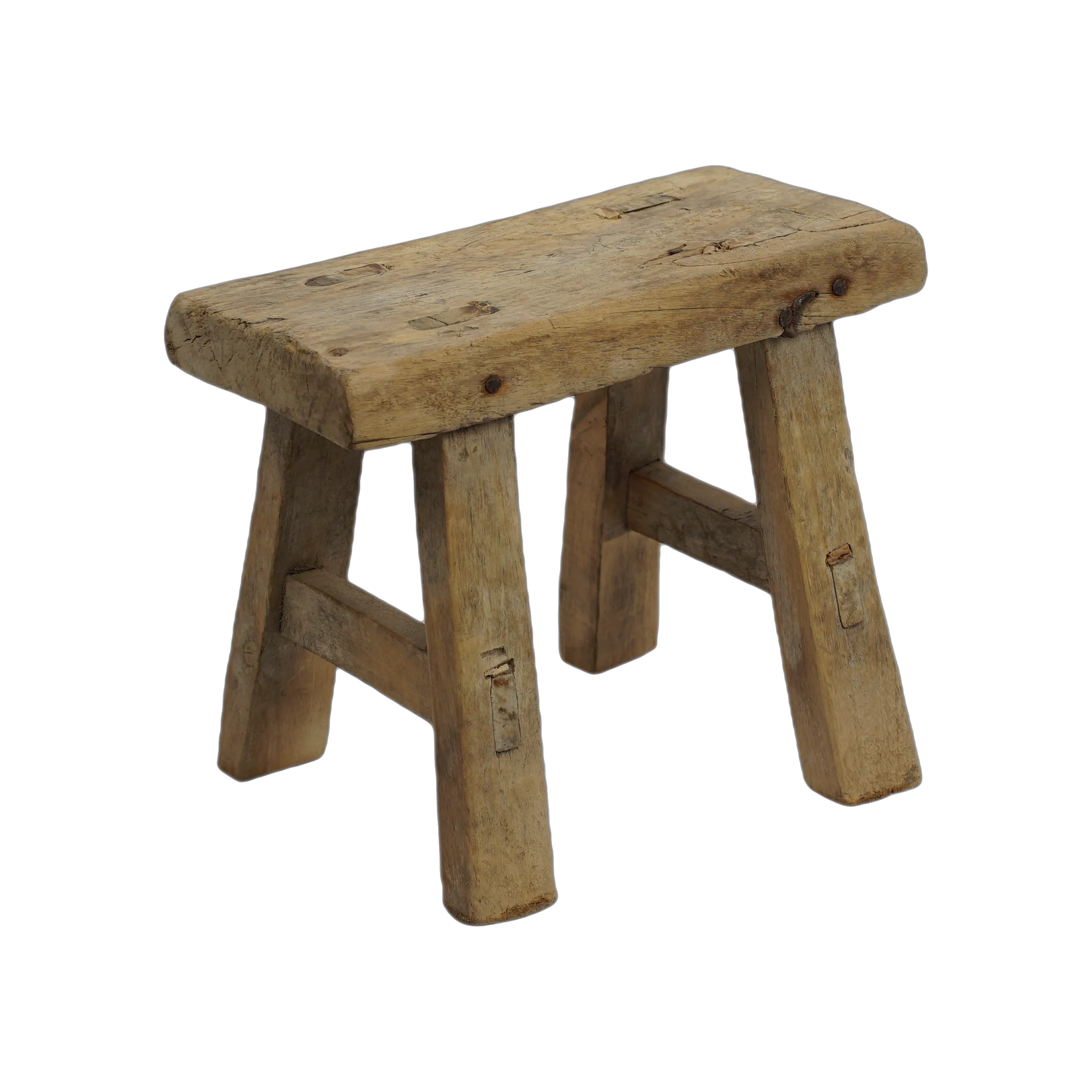


4 ideas for decorating a Naga coffee table
We have come up with four decorating ideas for a Naga coffee table around the same palette of natural colours. Each composition reveals a different side of old wood and can easily be adapted to your own living room.
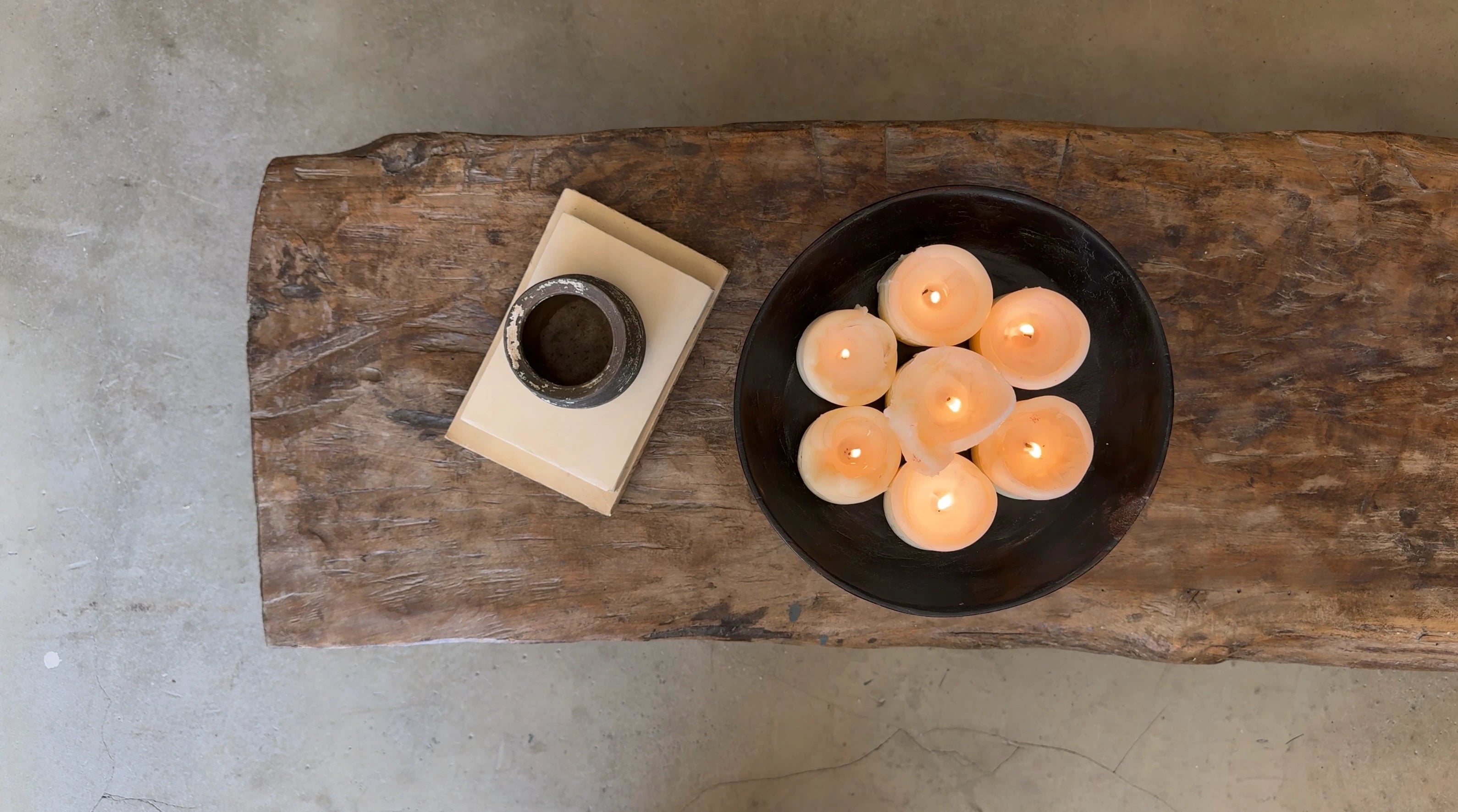
For this first composition, we placed several candles in a footed plate from Nagaland.
The cluster of candles creates a real point of light, while the dark tone of the plate contrasts with the raw wood of the coffee table.
Next to it, a light-coloured book serves as a base for a small terracotta pot.
The decoration deliberately relies on few items but plays with shapes: the round plate echoes the pottery, while the rectangular lines of the book give structure to the whole.
This coffee table decorating idea is ideal for creating a warm, intimate and cosy atmosphere in a living room or reading corner.
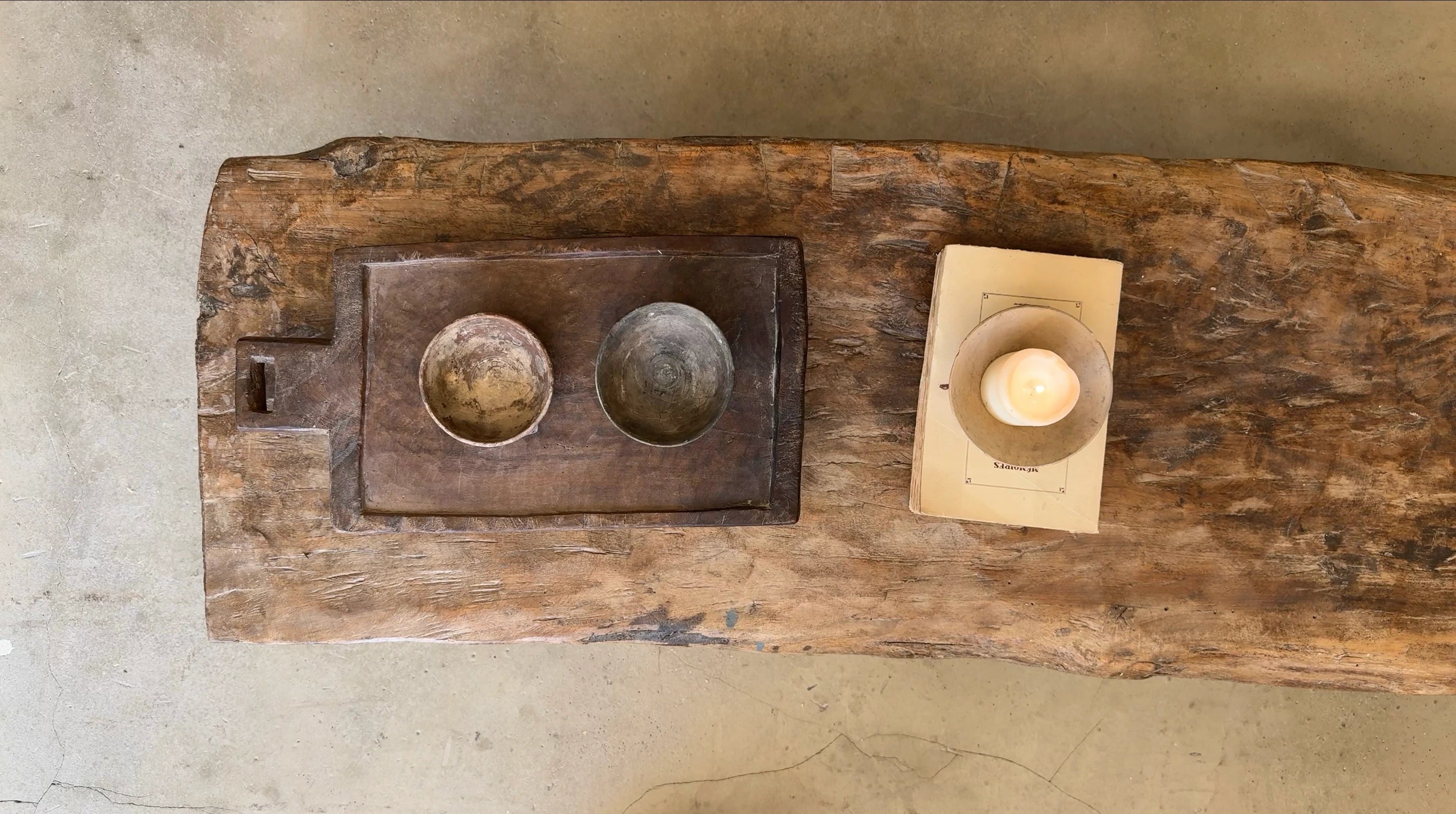
In this second composition, each object has a clearly defined place.
On one side, a candle set on a book gives off a soft light. On the other, a rectangular Naga tray holds two small terracotta bowls.
The colours stay close to the natural tones of the table and create a calm, harmonious atmosphere.
The difference in height between the book, the candle and the bowls is enough to add depth to the composition.
This decoration perfectly illustrates an essential principle: you do not need lots of objects to decorate a coffee table.
A few carefully chosen pieces, with simple shapes and authentic materials, are enough to show off the furniture with elegance.
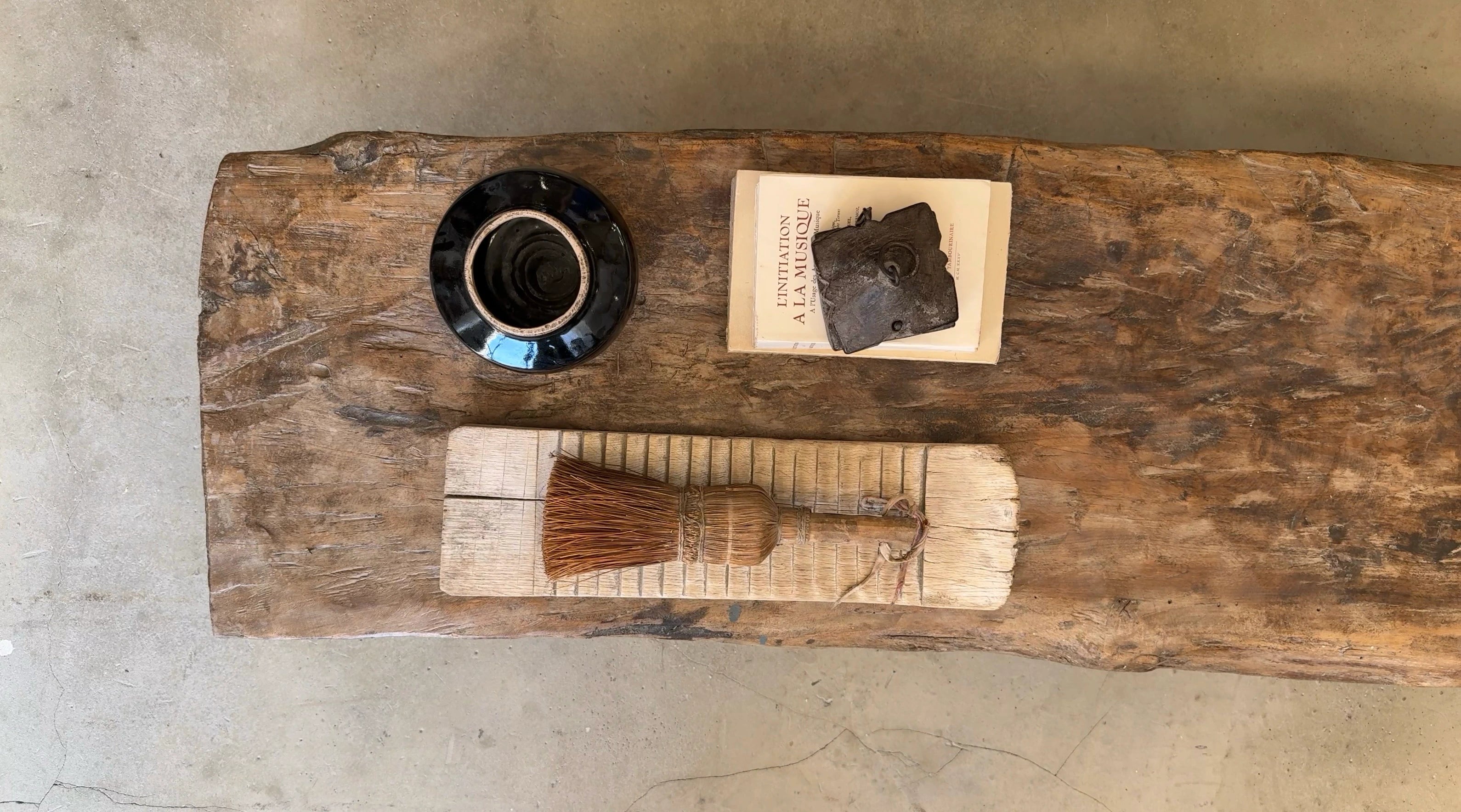
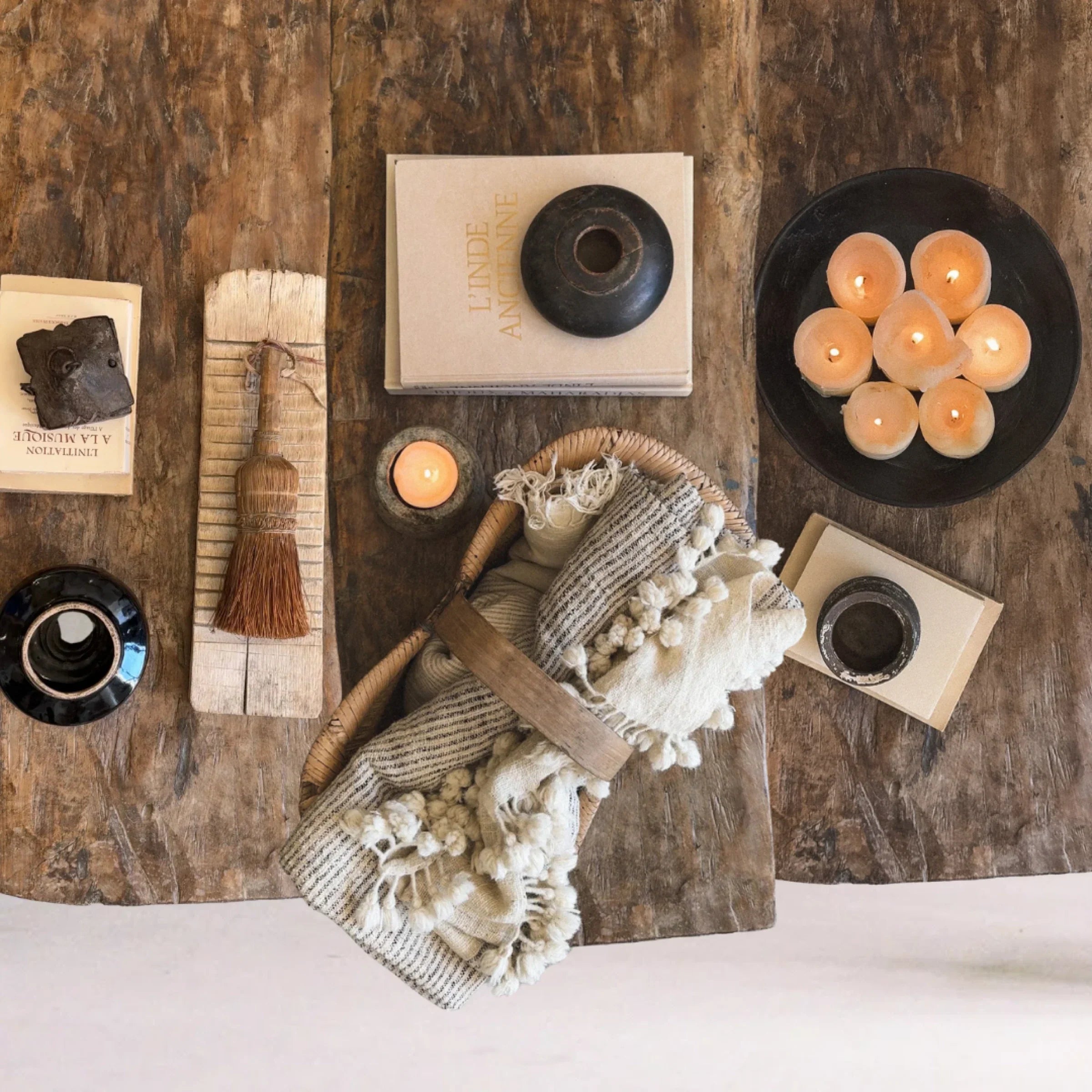
This third idea celebrates raw materials, old objects and craftsmanship.
An old wooden washboard sits on part of the table and extends its natural lines. We added a Chinese brush to bring a more original and unexpected detail.
Nearby, a book holds an old Indian tikka box, while a black glazed stoneware pot balances the whole.
The contrast between old wood, paper and black stoneware gives the decoration a great deal of character without overloading the table.
This composition will particularly suit a living room that combines old furniture, craftsmanship, sourced objects and contemporary lines.
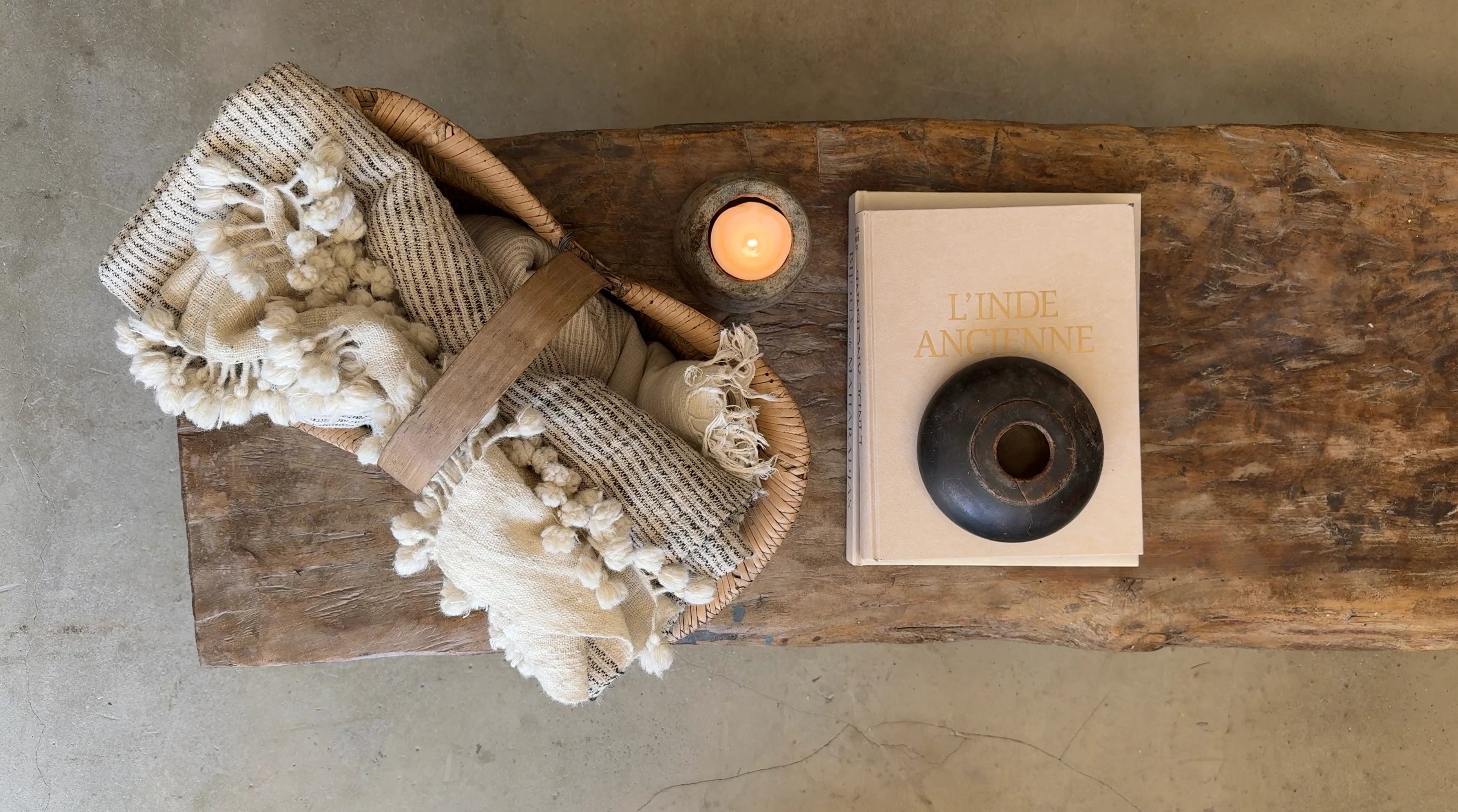
For this final idea, we paired the raw wood of the table with light, soft and textured materials.
Ecru throws arranged in a wicker basket instantly bring softness and volume around the coffee table.
On the table, a light-coloured book with an Indian tobacco box creates a graphic contrast, while a small candle placed in a stone pot completes this warm atmosphere.
The decoration plays on the contrast between the depth of black, the warmth of old wood and the lightness of natural fibres.
This composition is particularly suited to a cosy living room, designed as a true "cocoon".
Explore our collections


Frequently asked questions
Books, candles, vases, pots, trays or handcrafted objects are all good options. The key is to choose just a few items and to vary shapes, heights and materials.
Objects in ceramic, stoneware, glass, stone, metal, natural fibres... go particularly well with wood. A few black items can also create a more contemporary contrast.
Group accessories into small compositions rather than scattering them. Play with heights too, for example by stacking a piece of pottery on a book or pairing a candle with a vase.
Beige, ecru, brown, terracotta or black tones show off wood particularly well. Ideally, limit yourself to two or three colours to keep the decoration harmonious.
Yes. Empty space shows off the decorative objects and the piece of furniture itself to better effect. It also avoids giving the impression of a cluttered table.
There is no precise number, but three objects of different sizes and shapes are often a good starting point. On a large coffee table, you can create several small, spaced-out groups.
Opt for handcrafted pottery, old books, candles, textiles or objects with imperfect shapes. A pared-back decoration will show off the old wood, the patina and the irregularities that are characteristic of Naga tables.
Read more

Originating in central India, old Indian tribal doors tell of the life, beliefs and craftsmanship of the communities that shaped them. Discover their history, their carved motifs and their new plac...
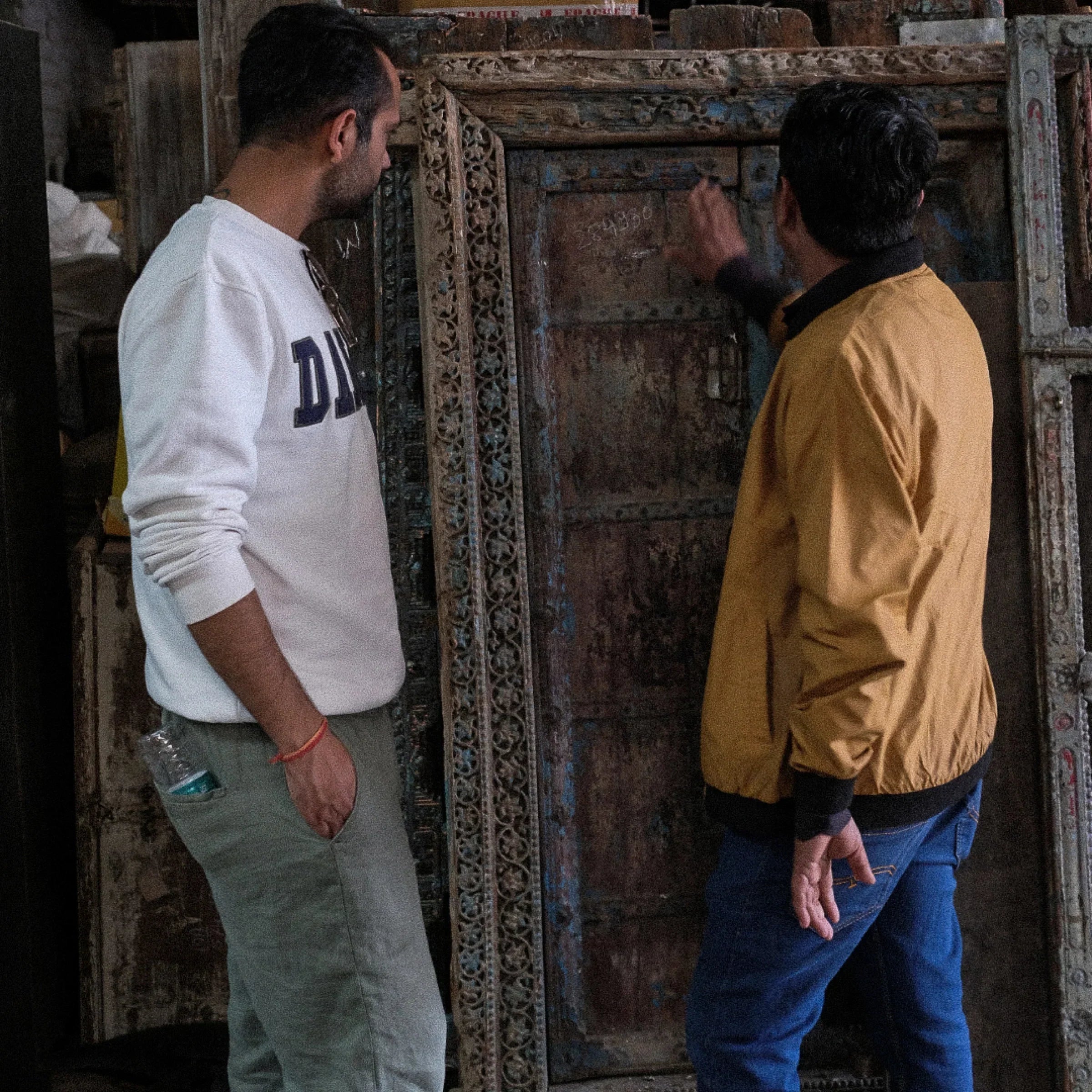
How do we find the old furniture, jars and objects we offer at Orpaï? From India to China by way of Turkey, discover the behind-the-scenes of our sourcing, our travels and the way we select each pi...