

Indian aalas, guardians of light
The aala: a traditional Indian architectural element
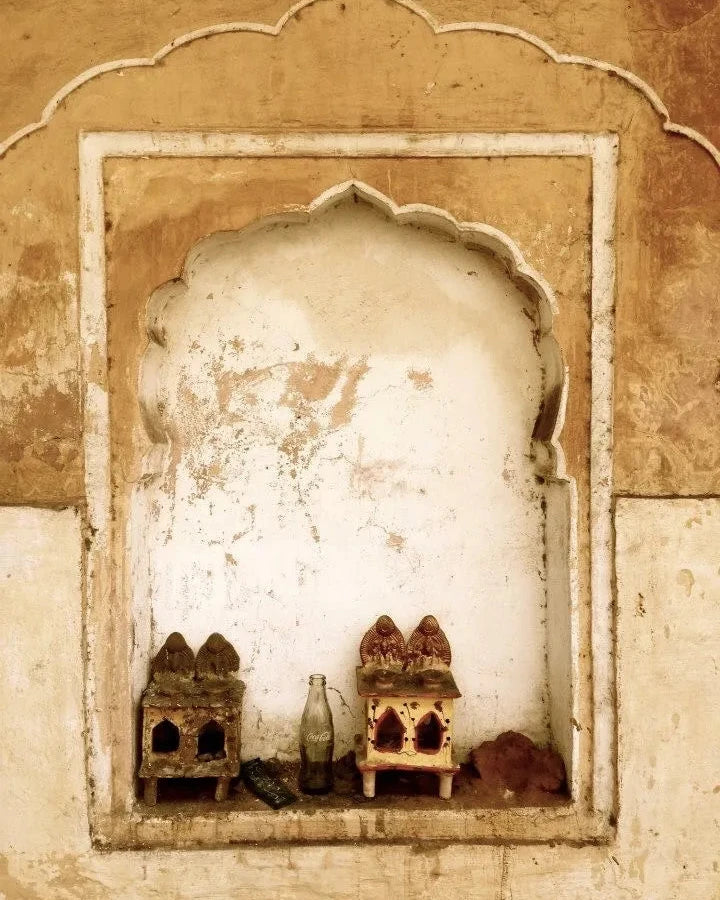
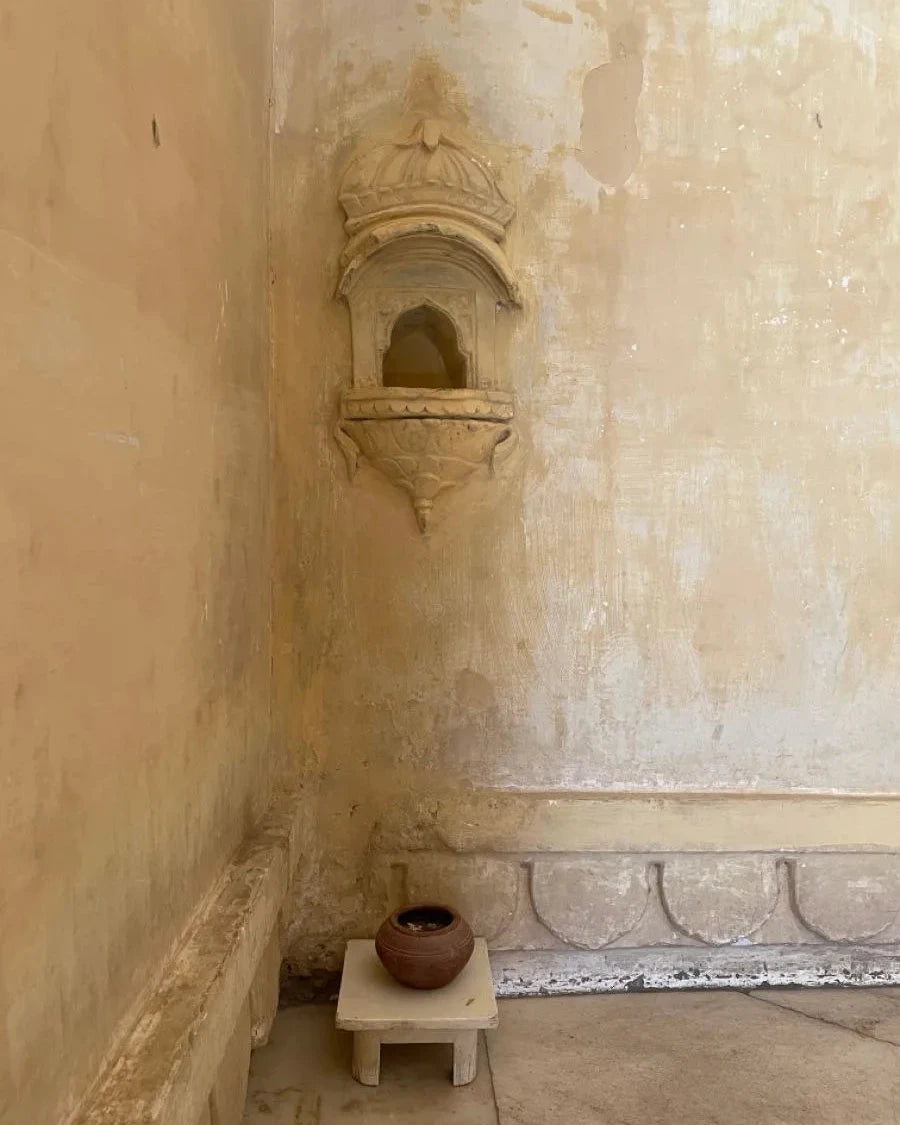
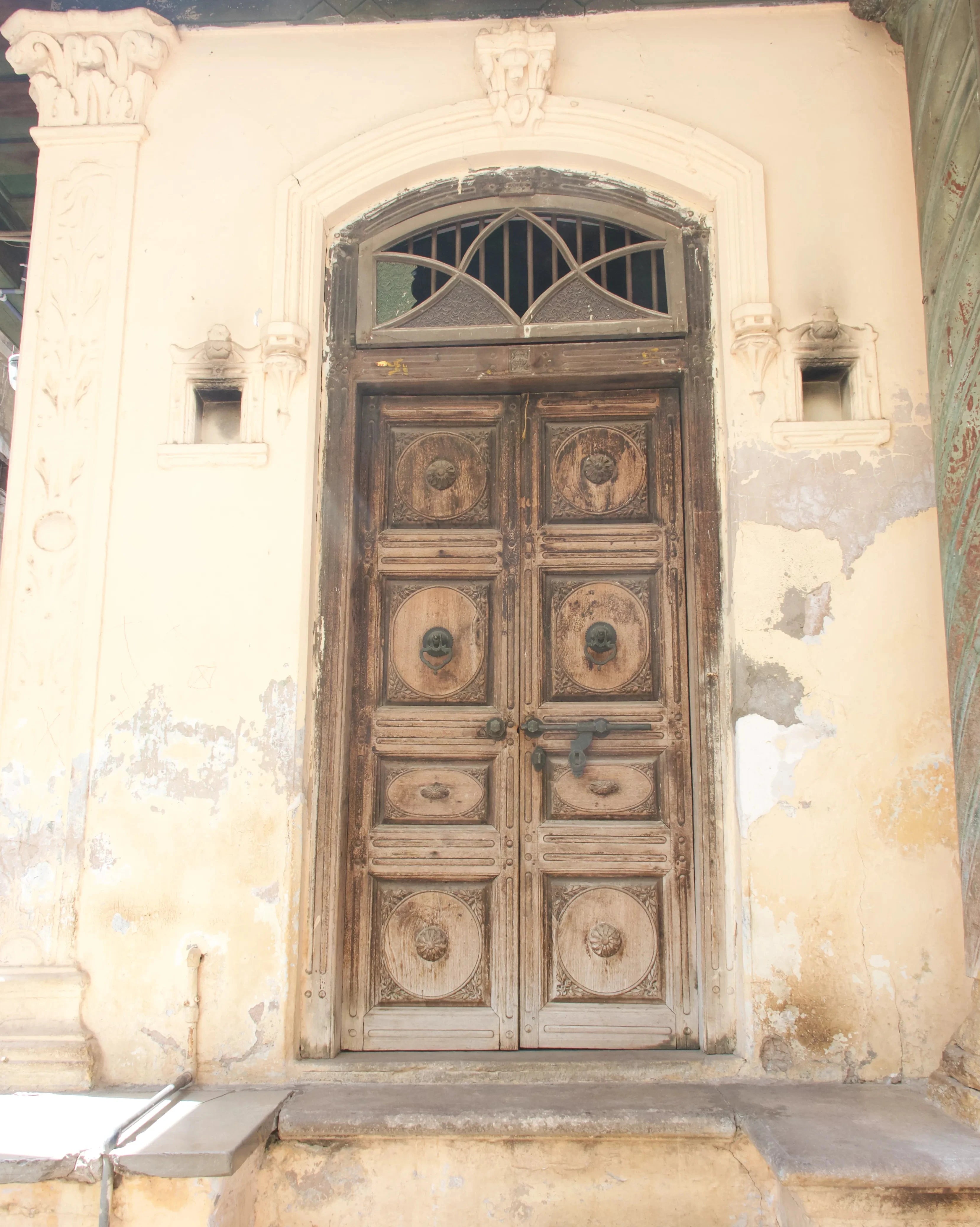
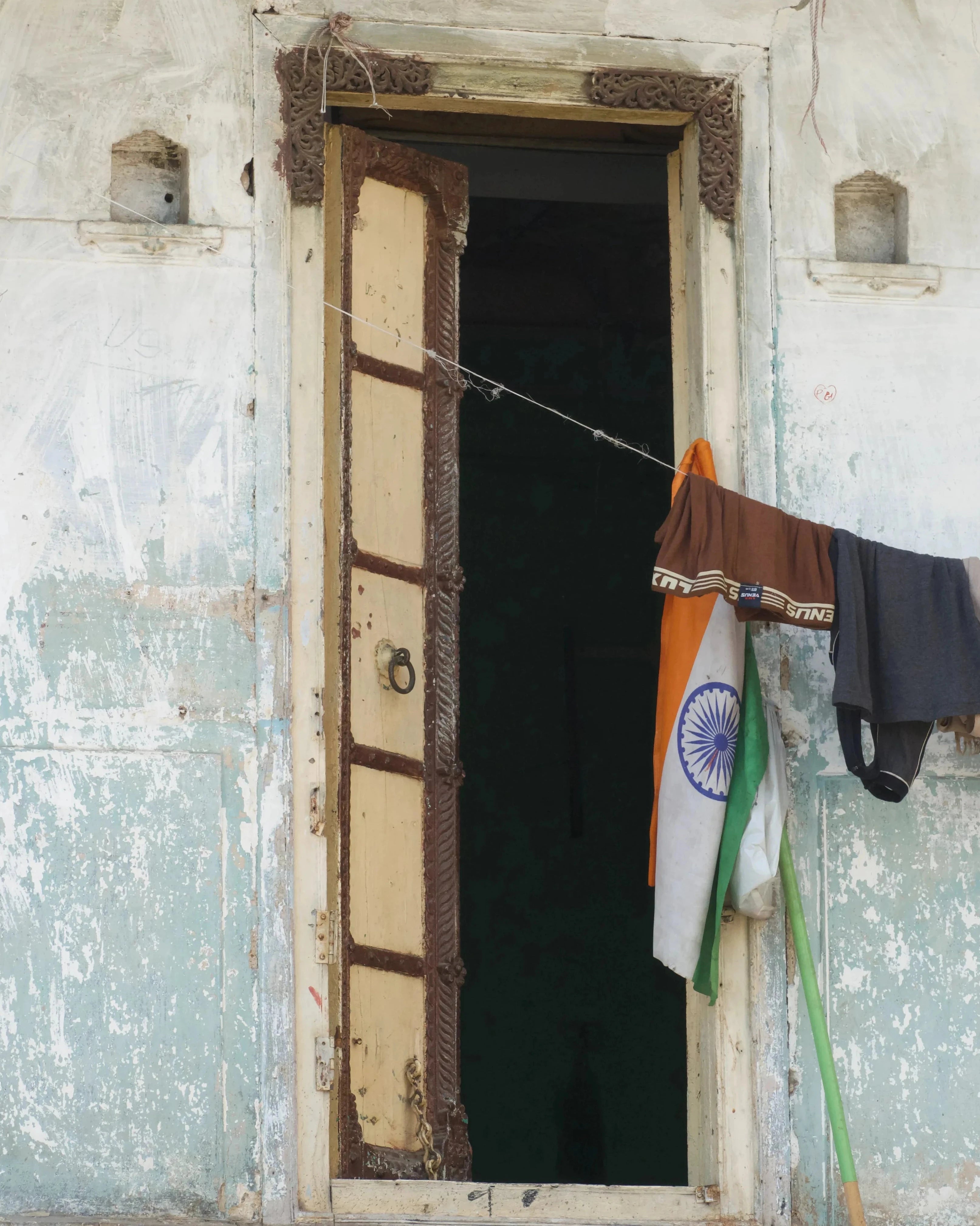
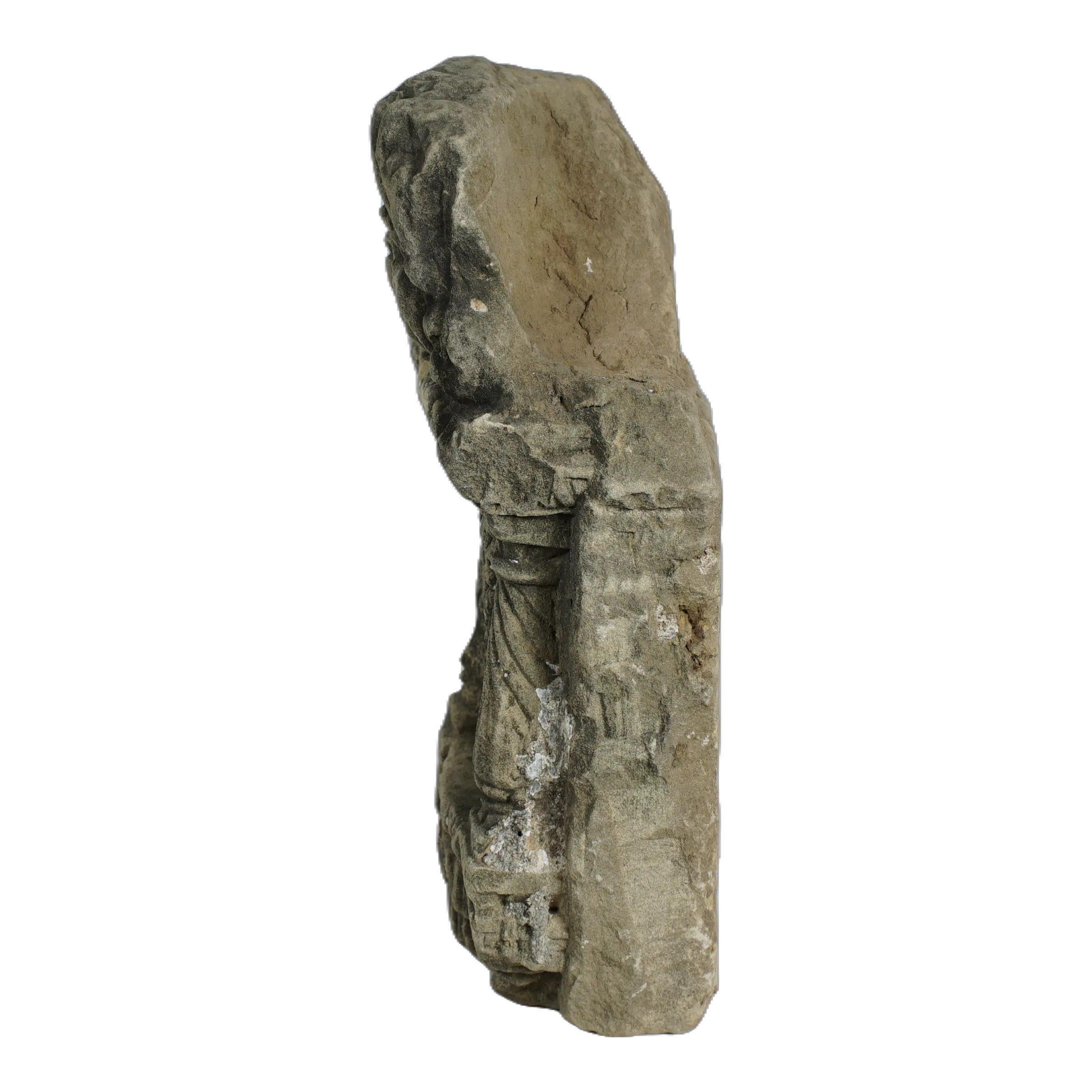
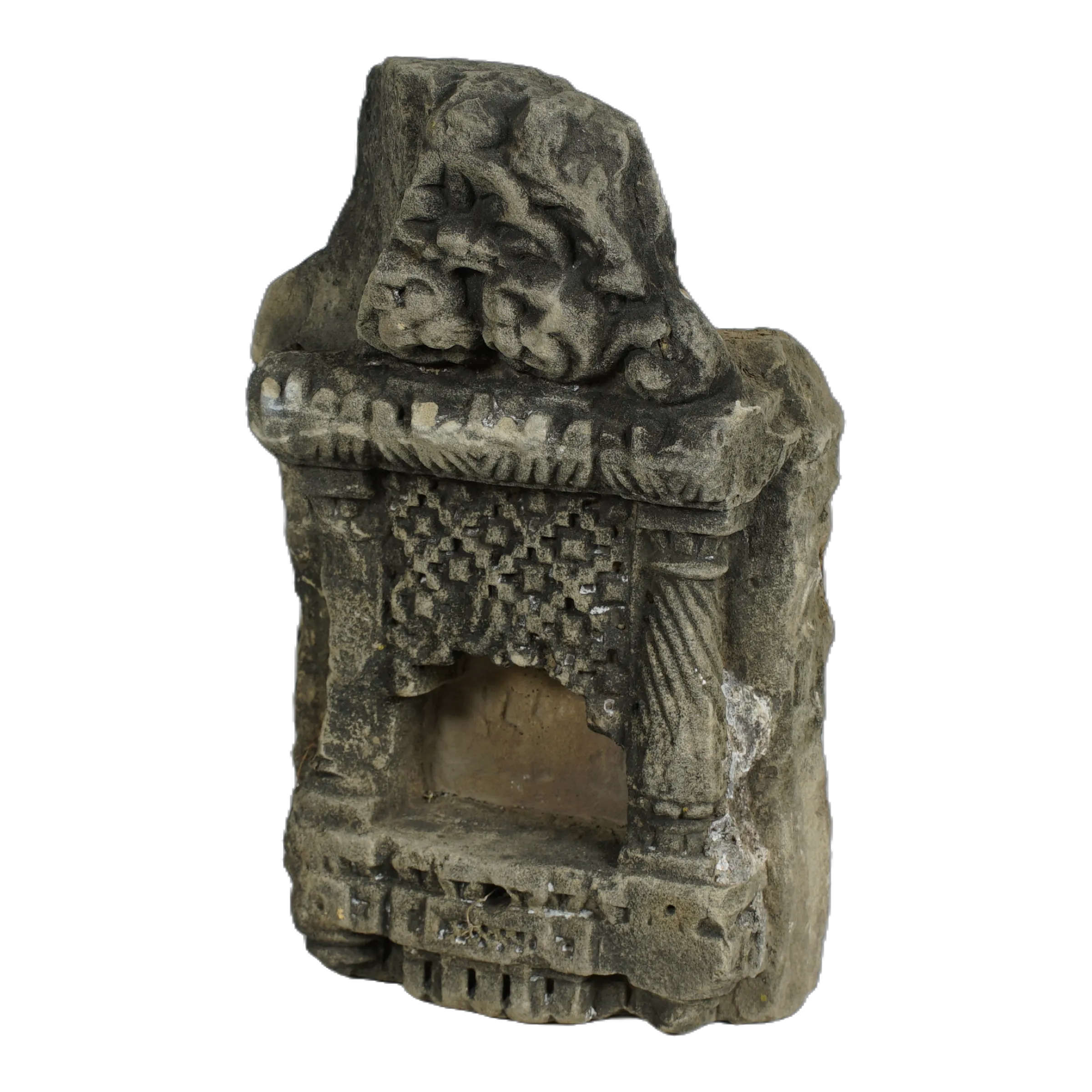
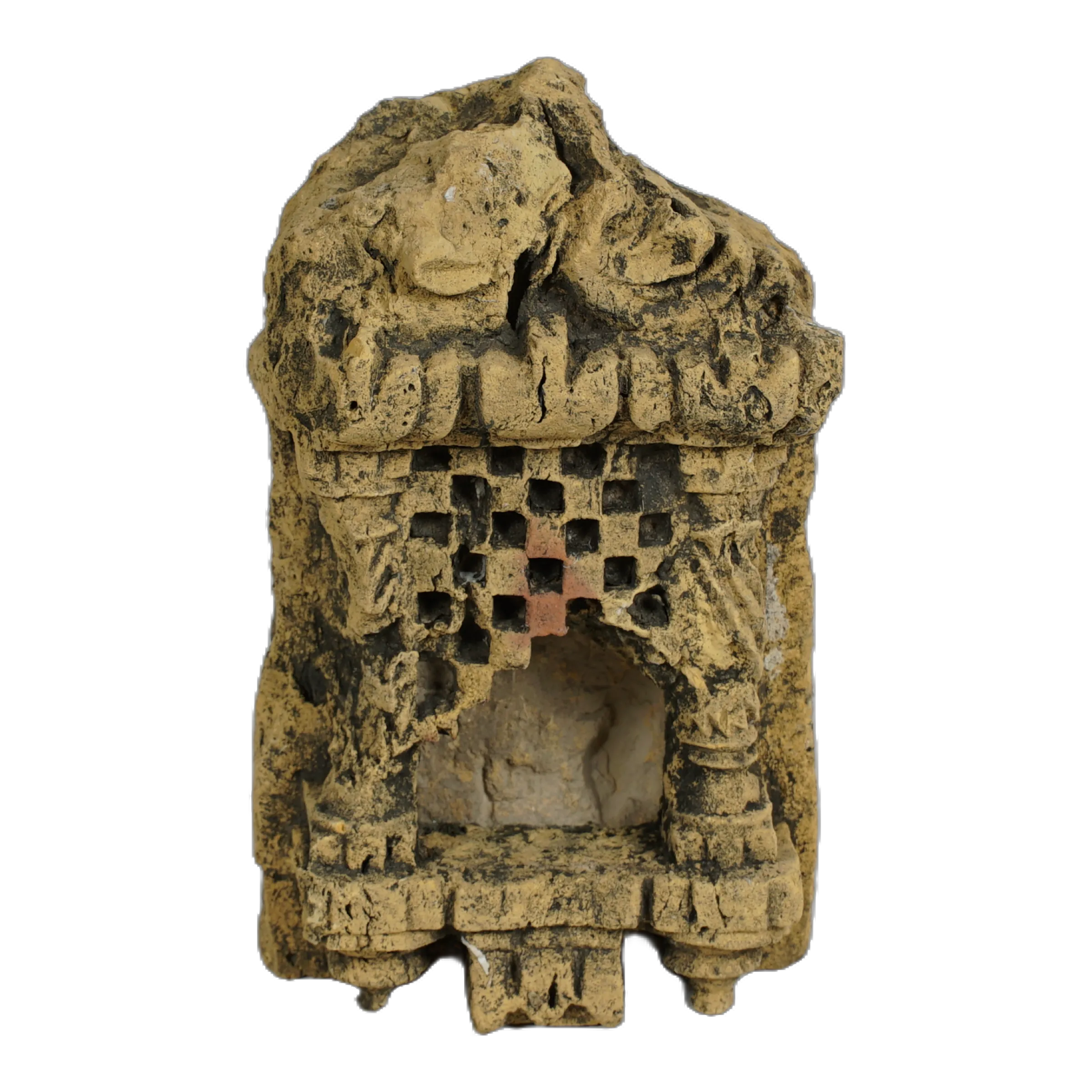
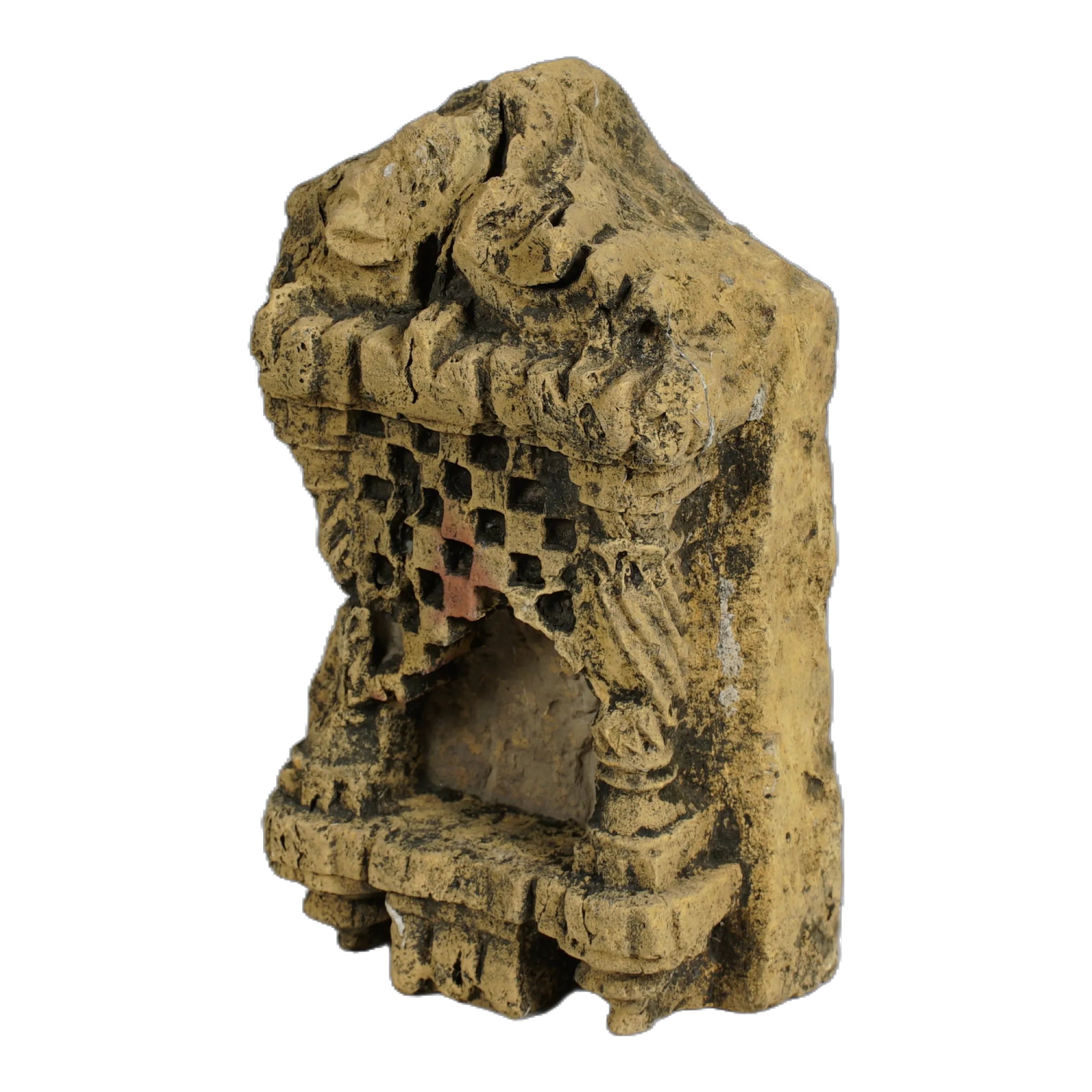
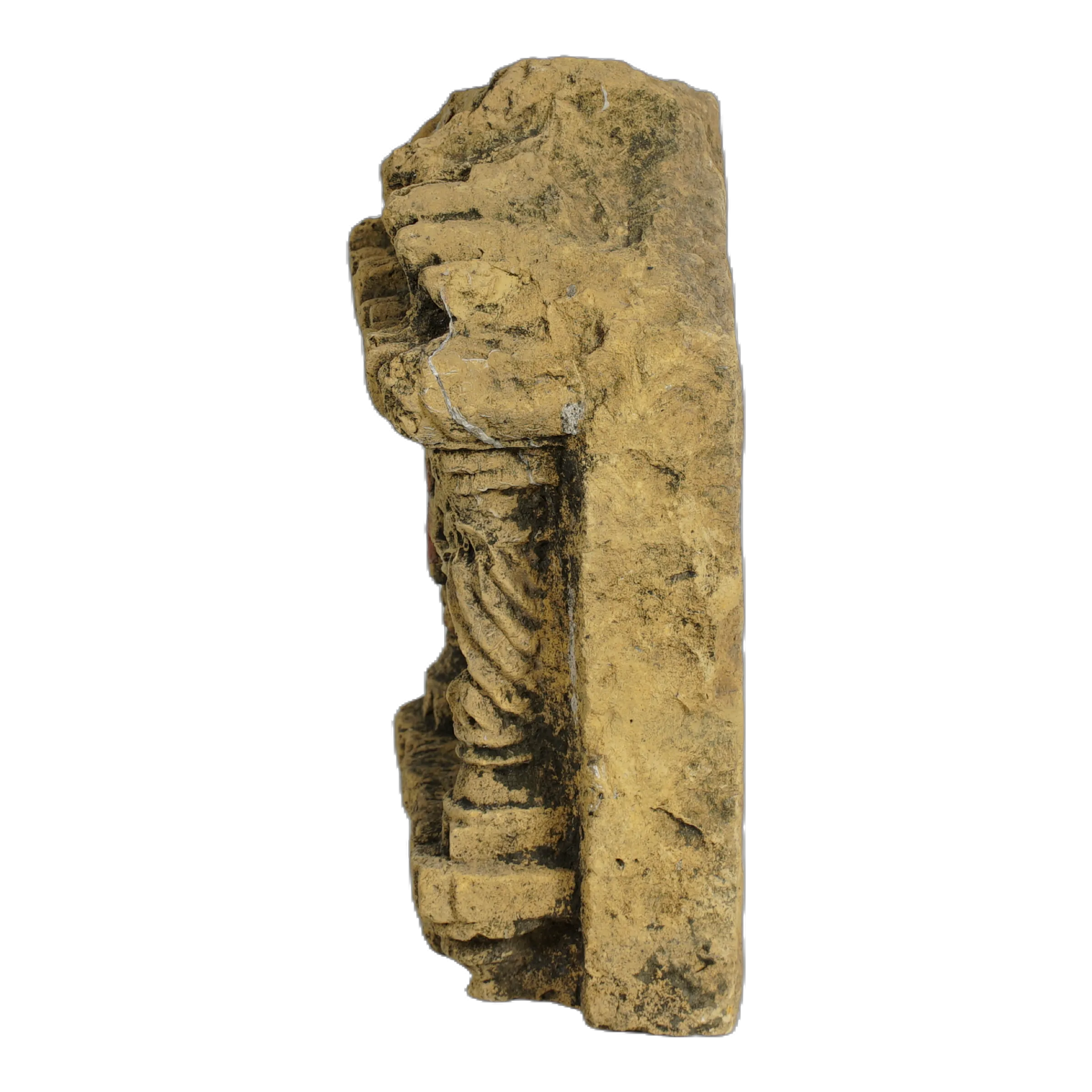
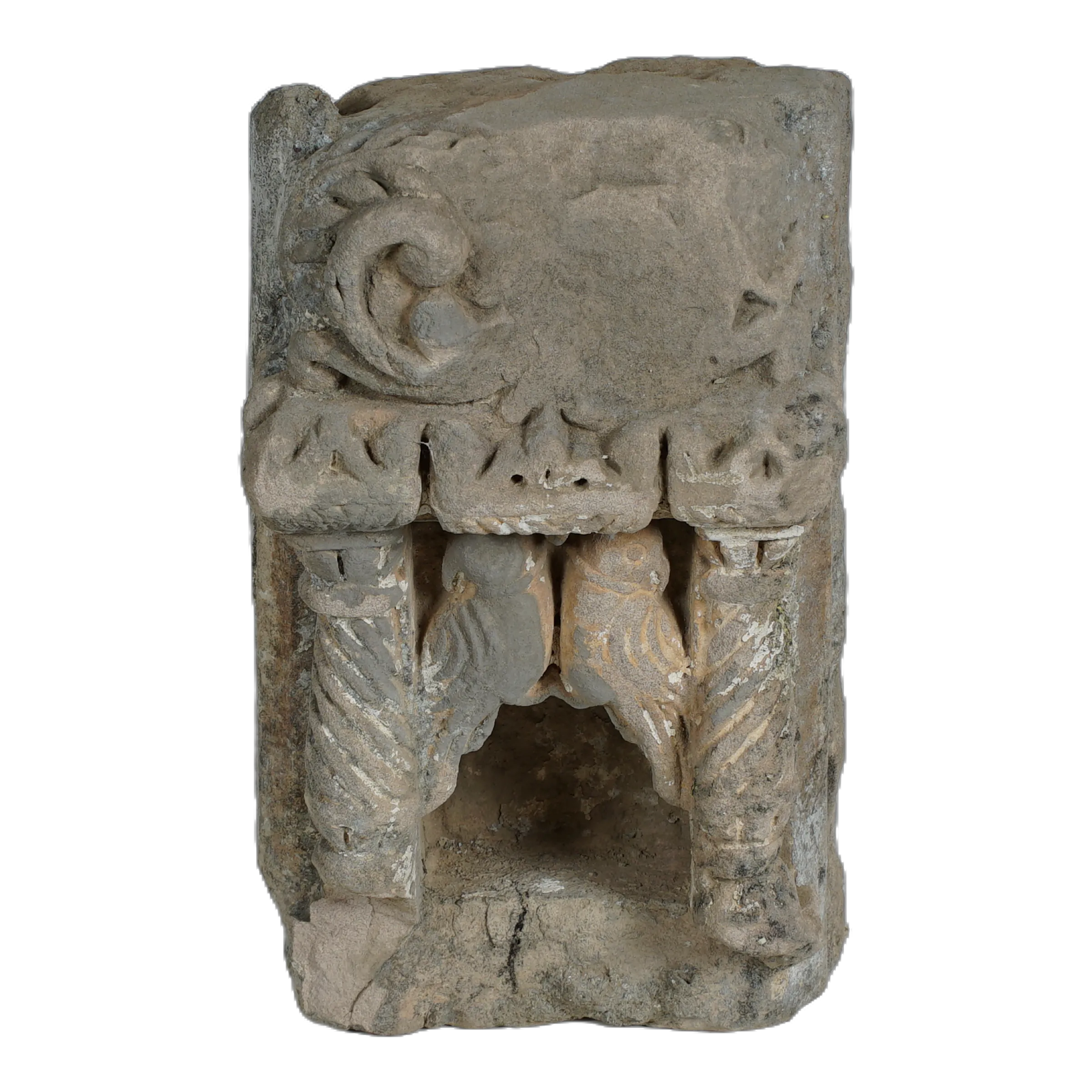
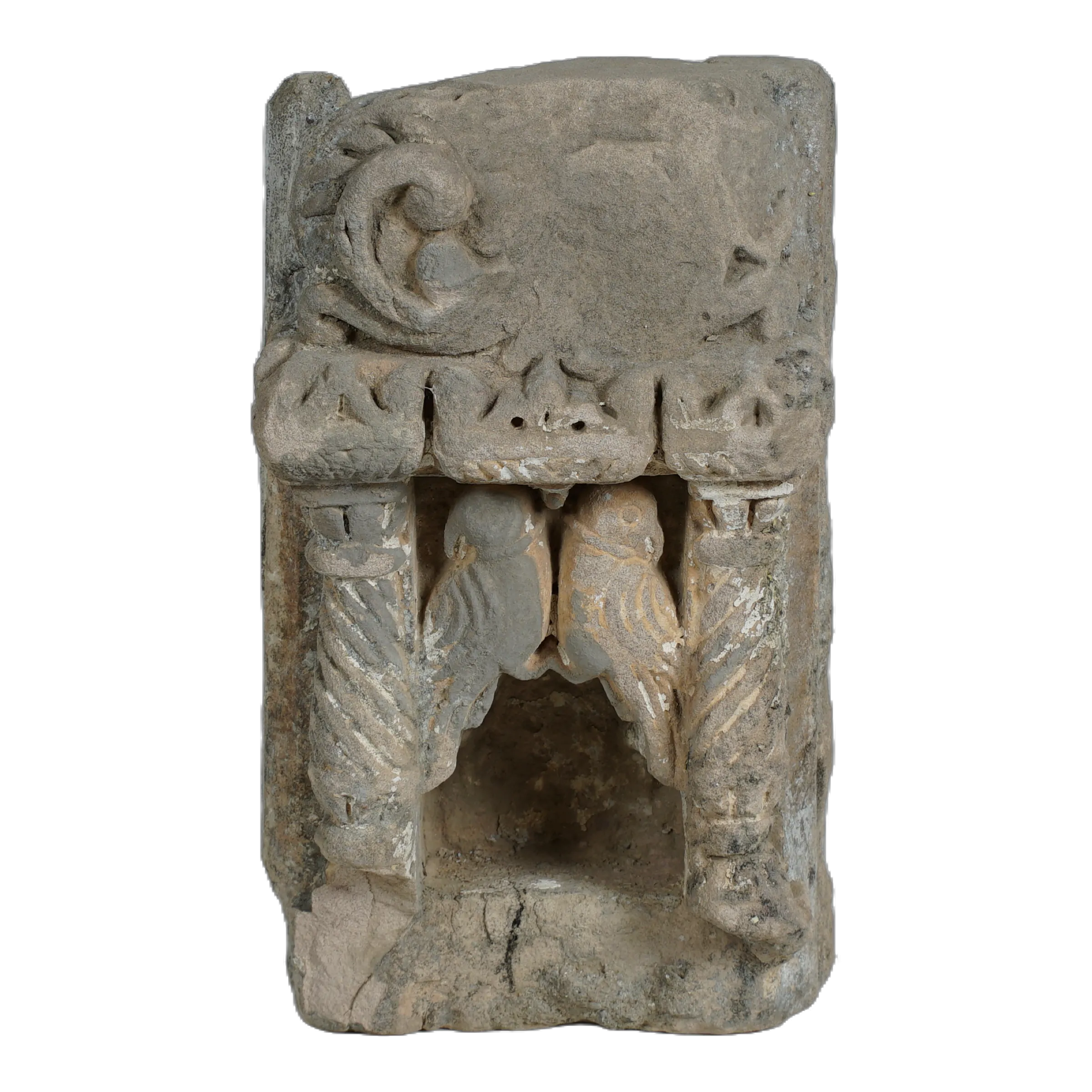
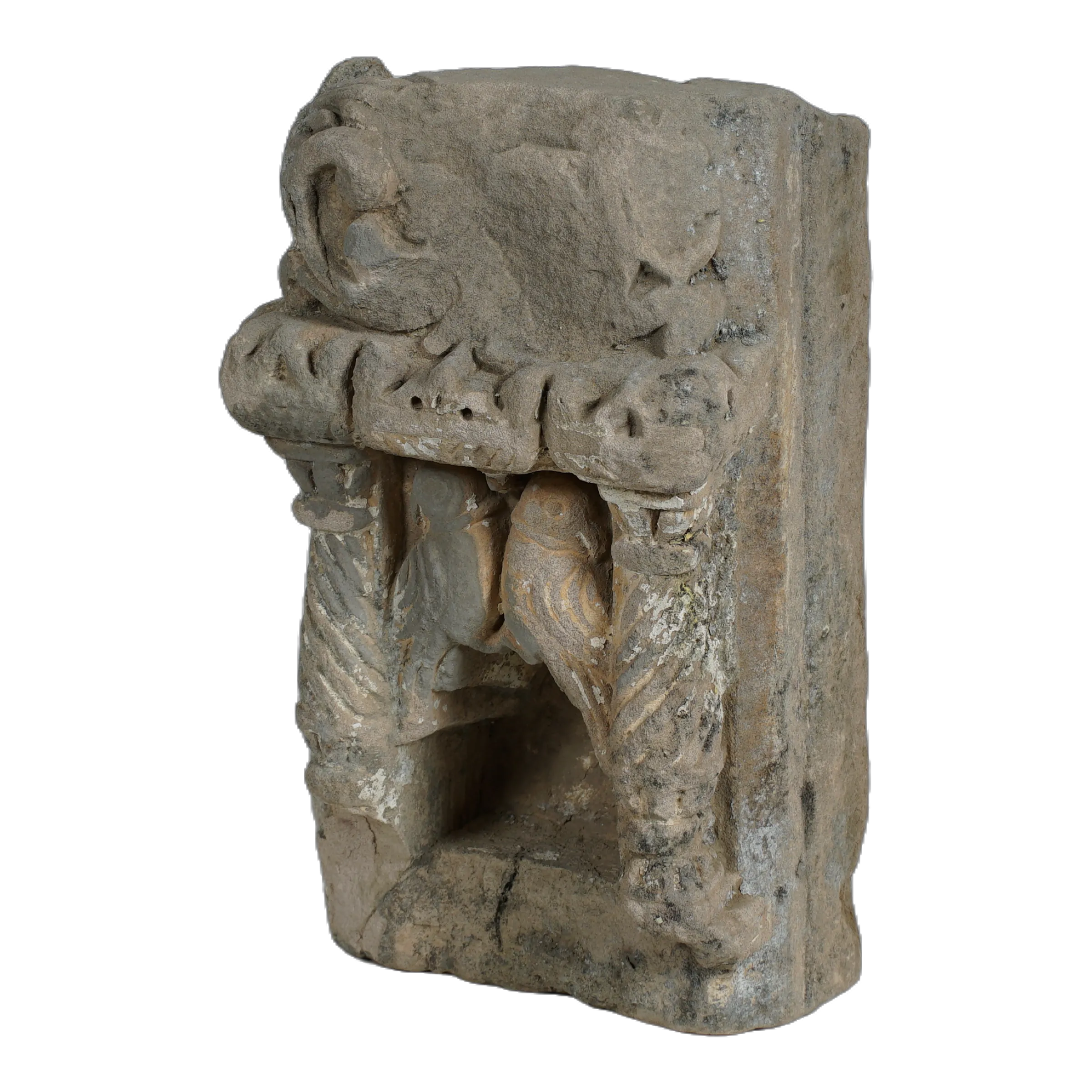
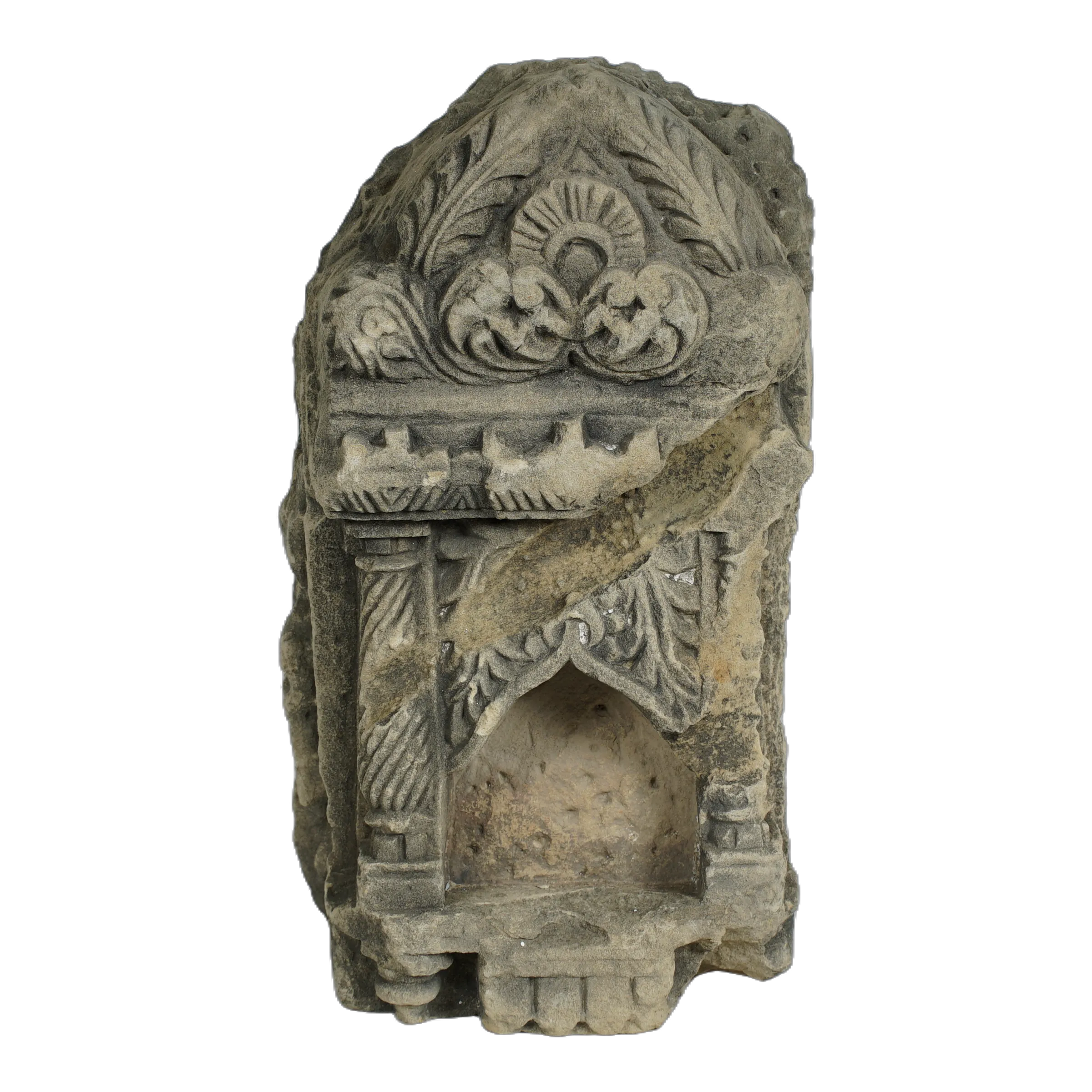
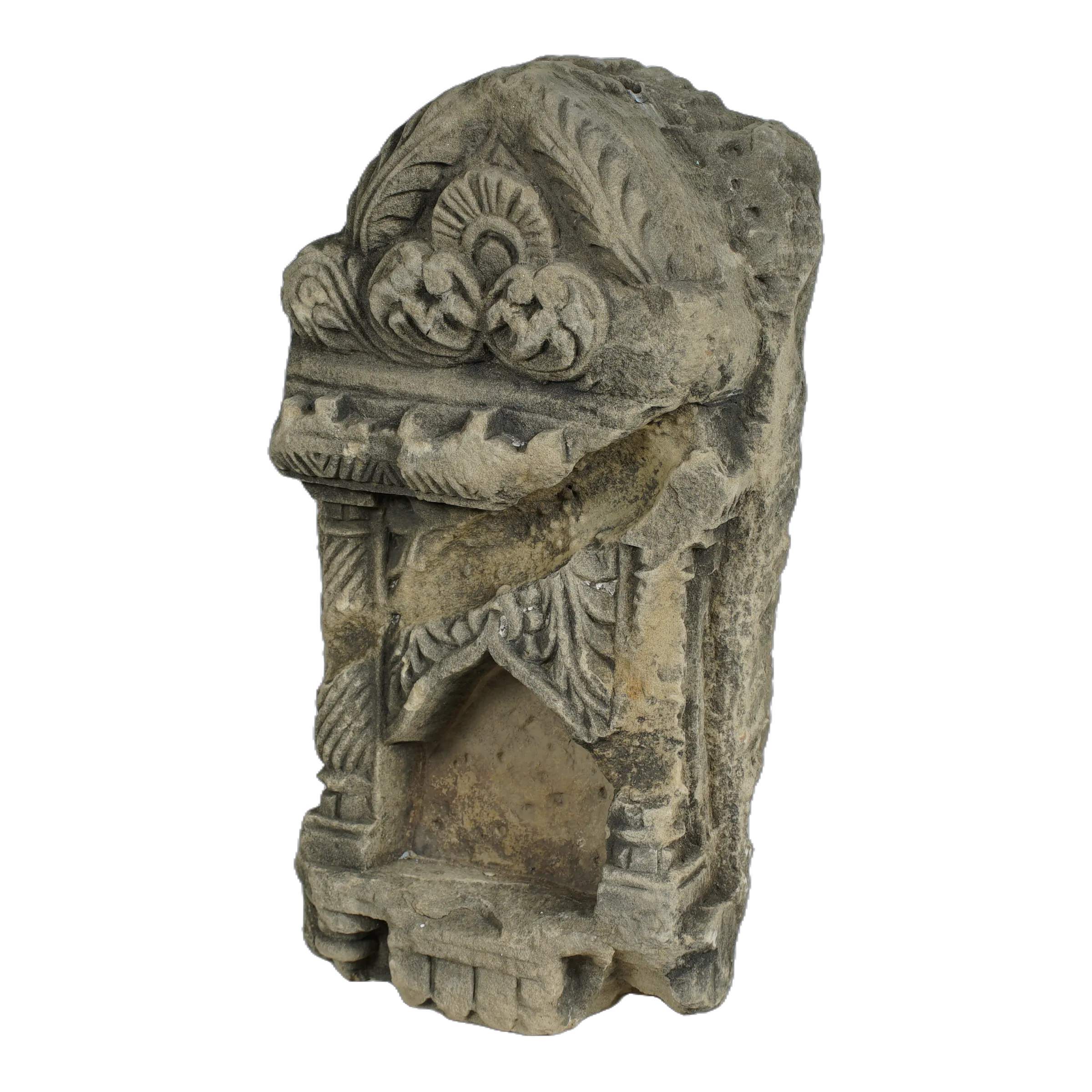
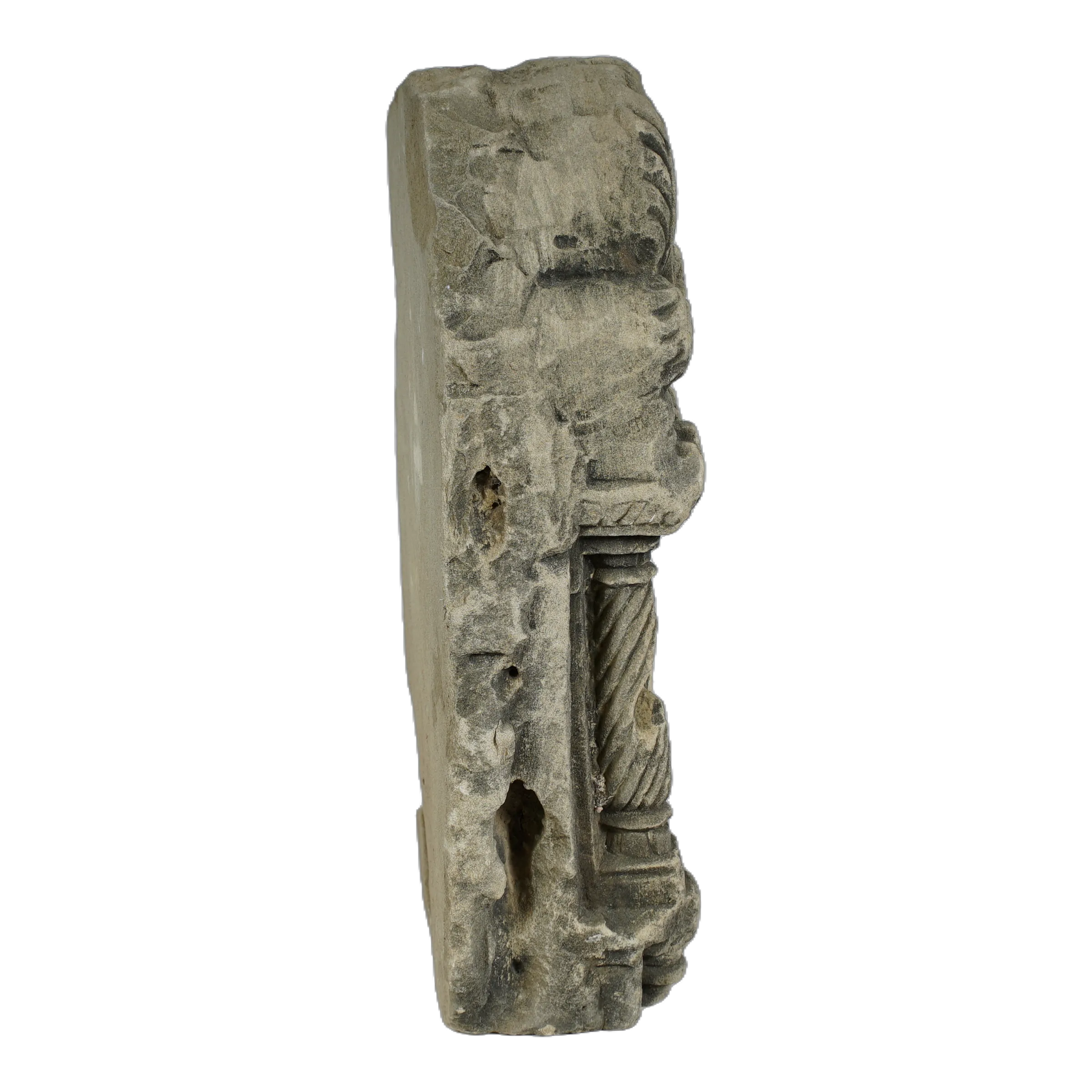
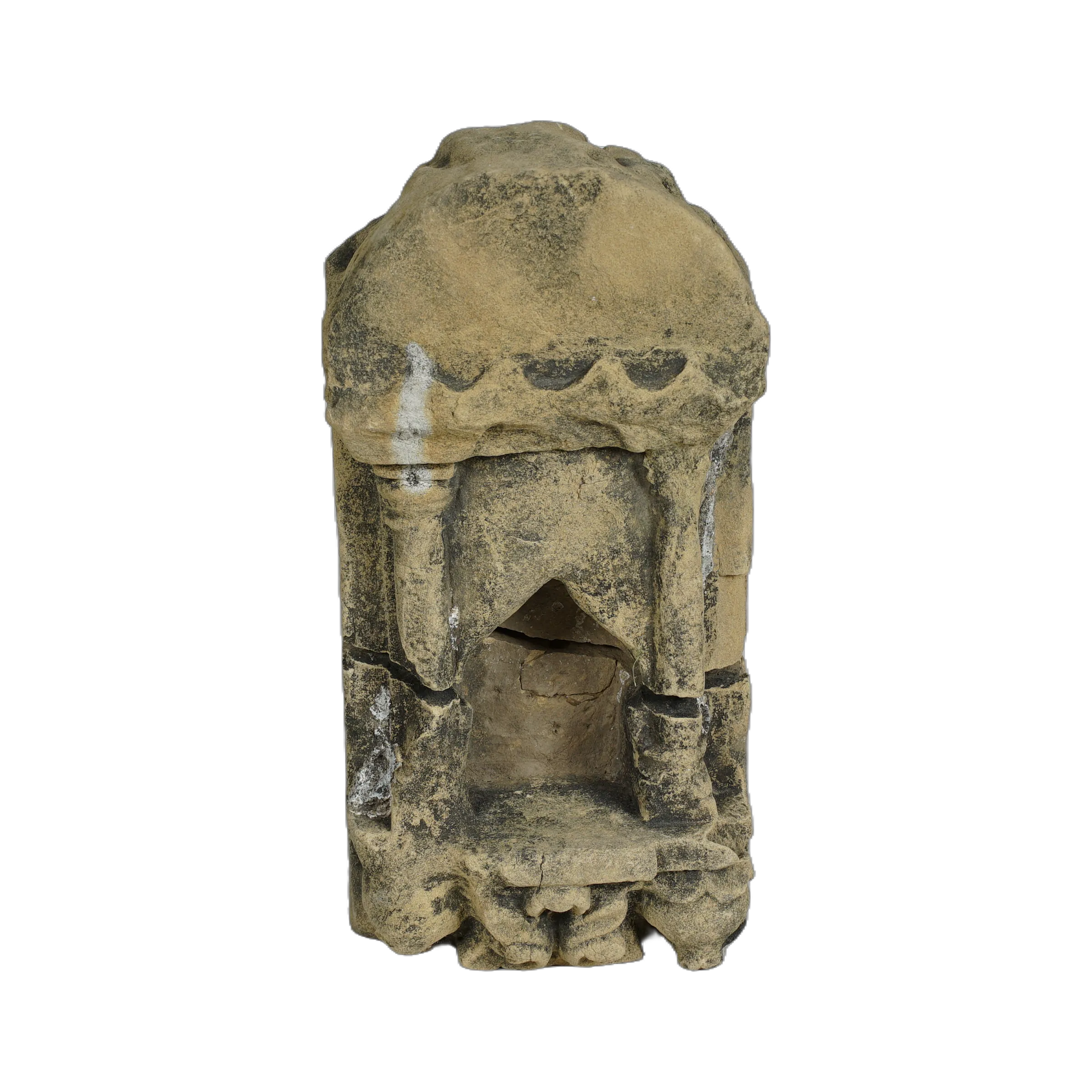
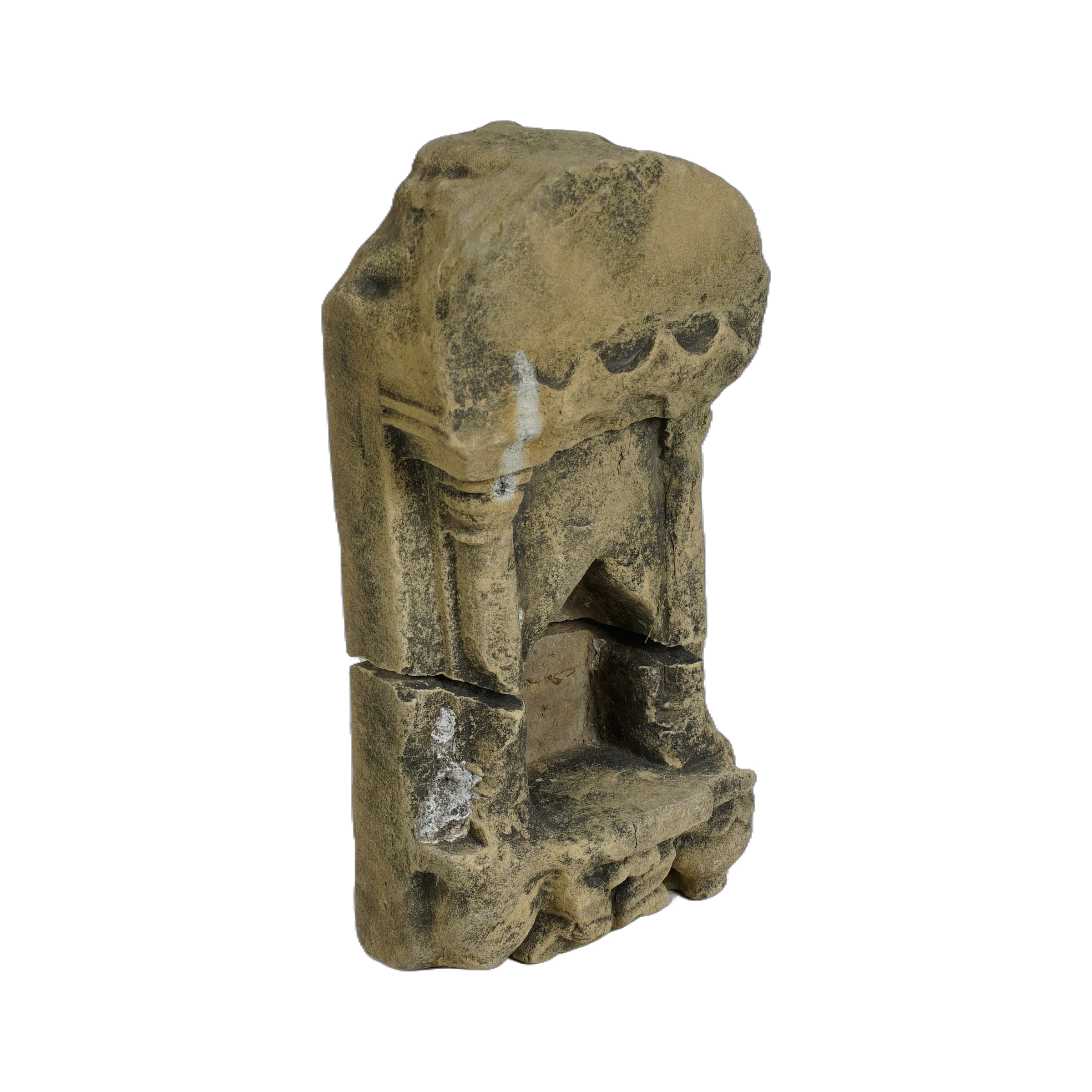
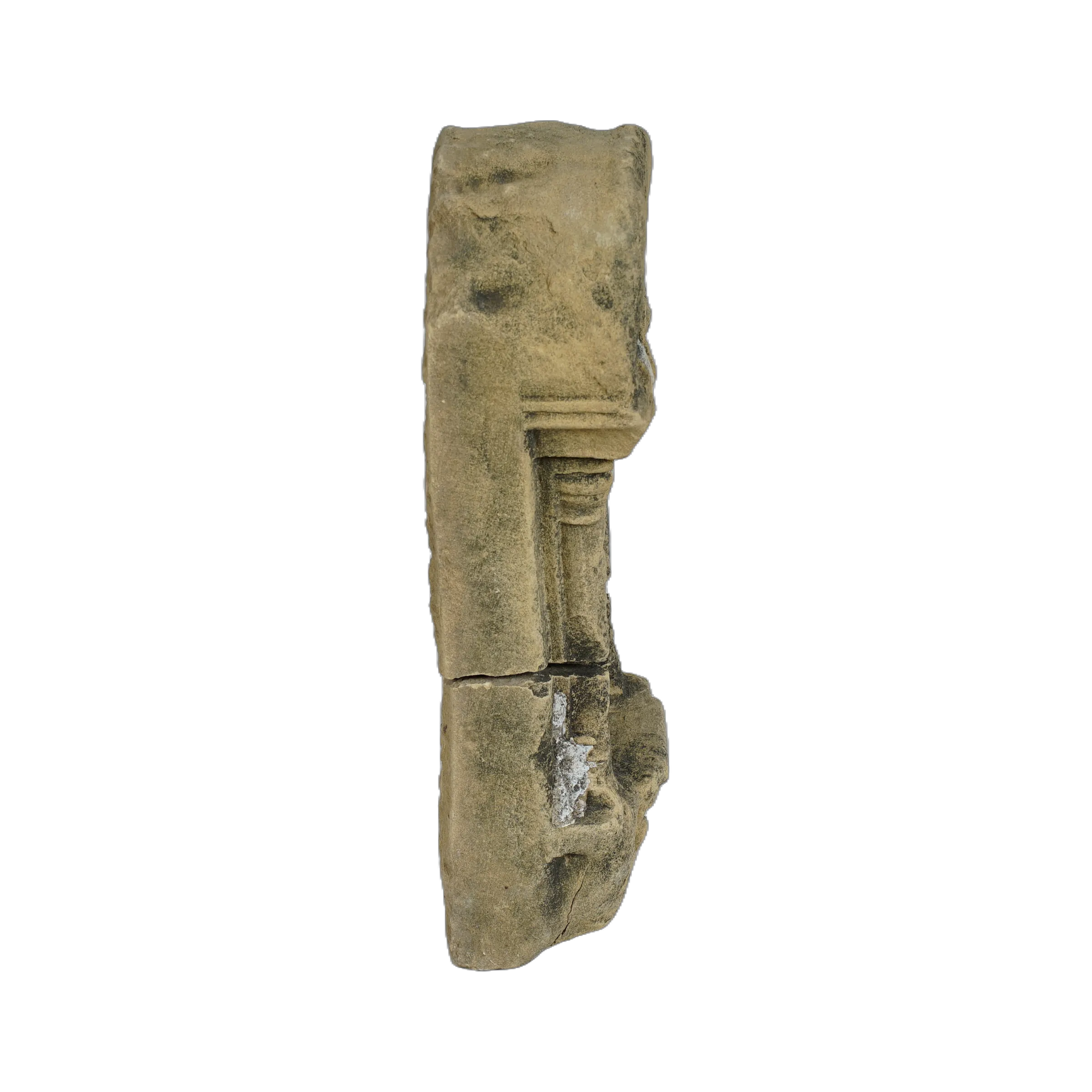
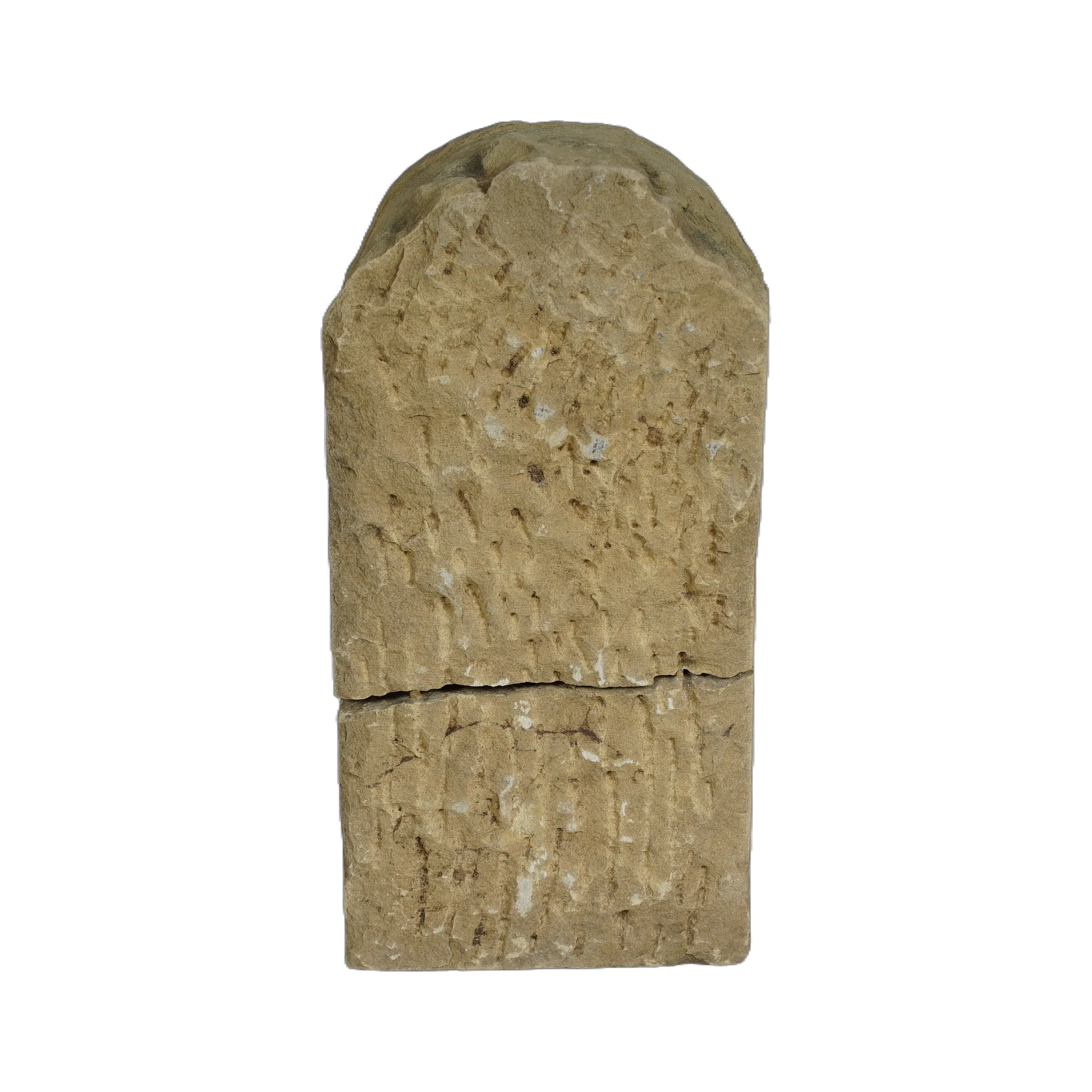
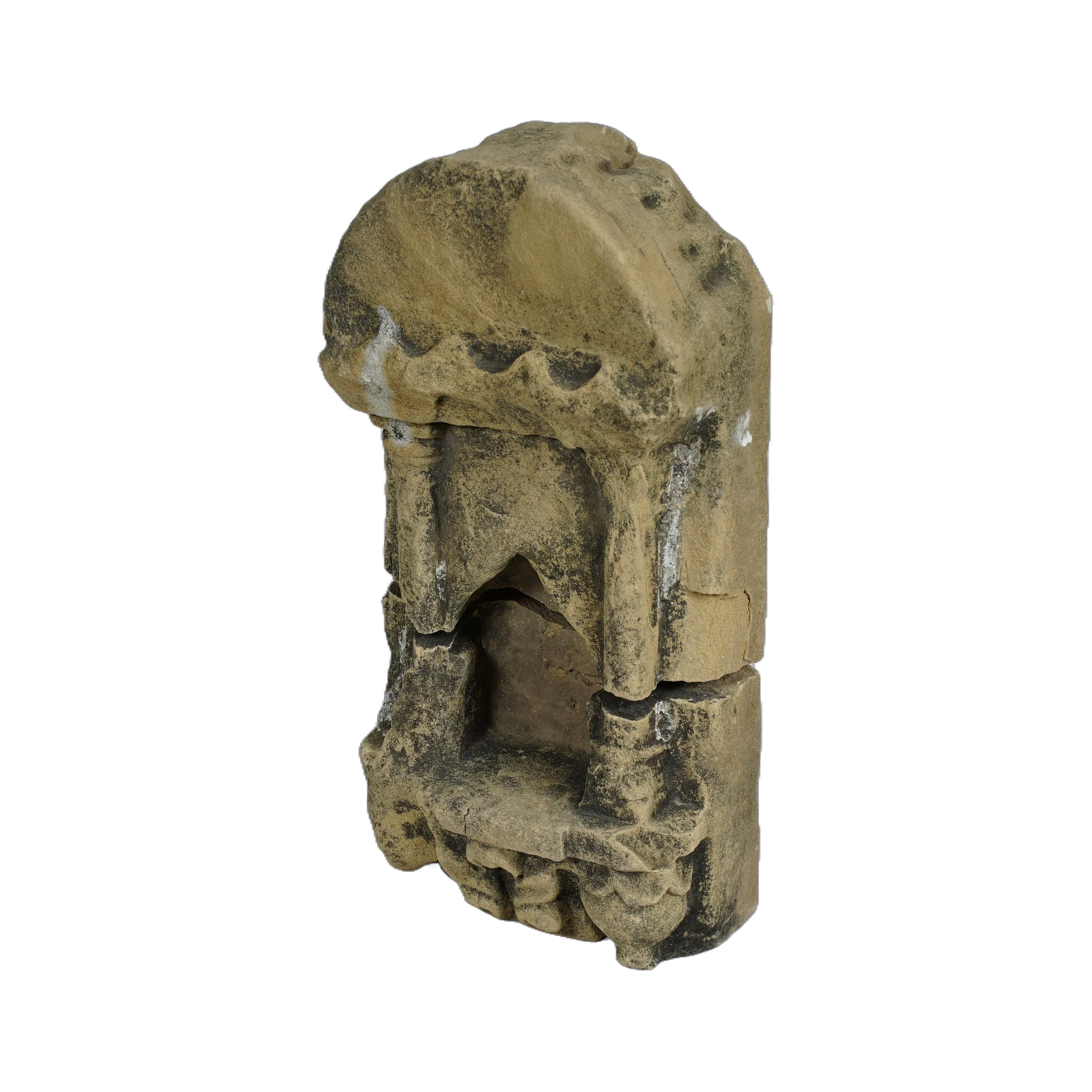
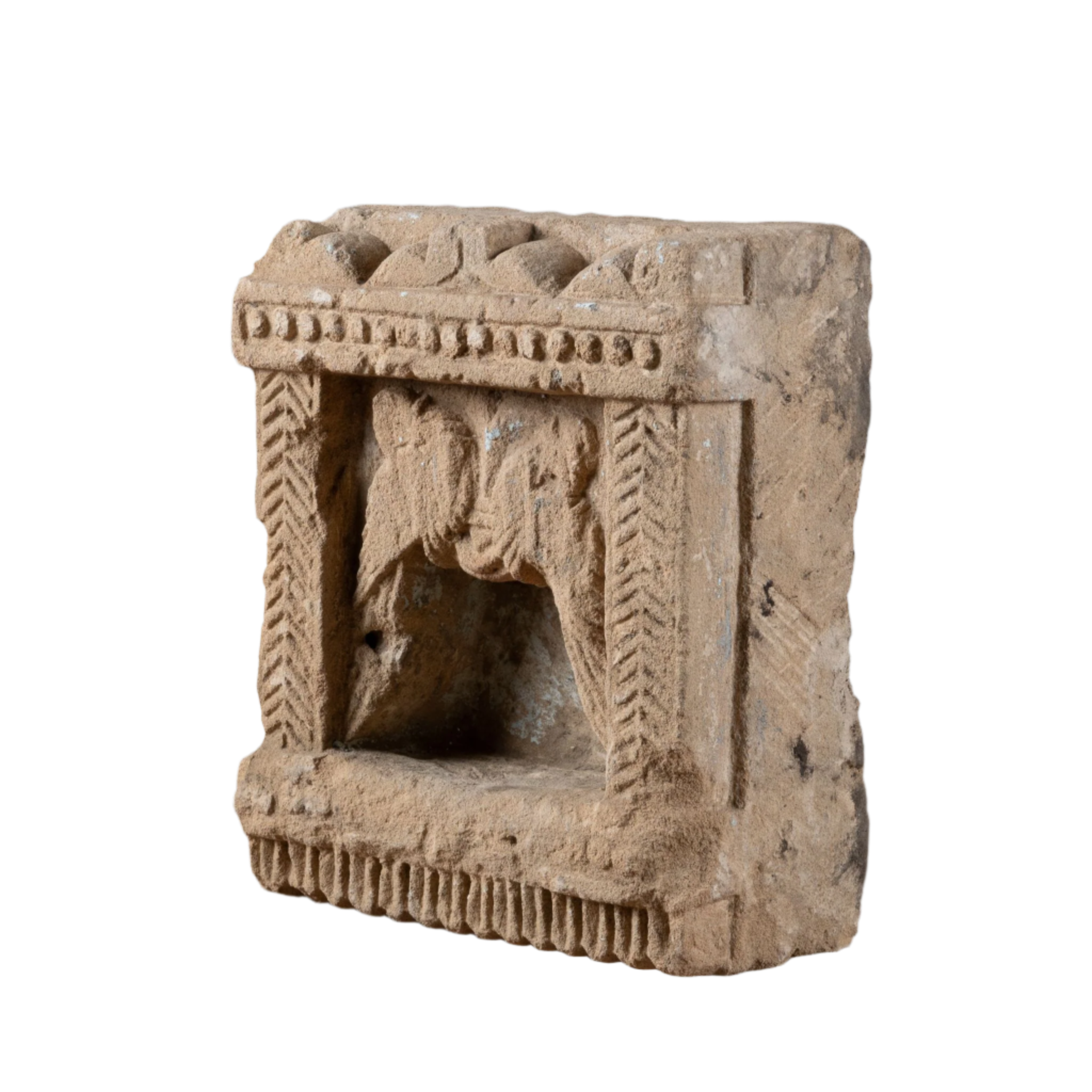
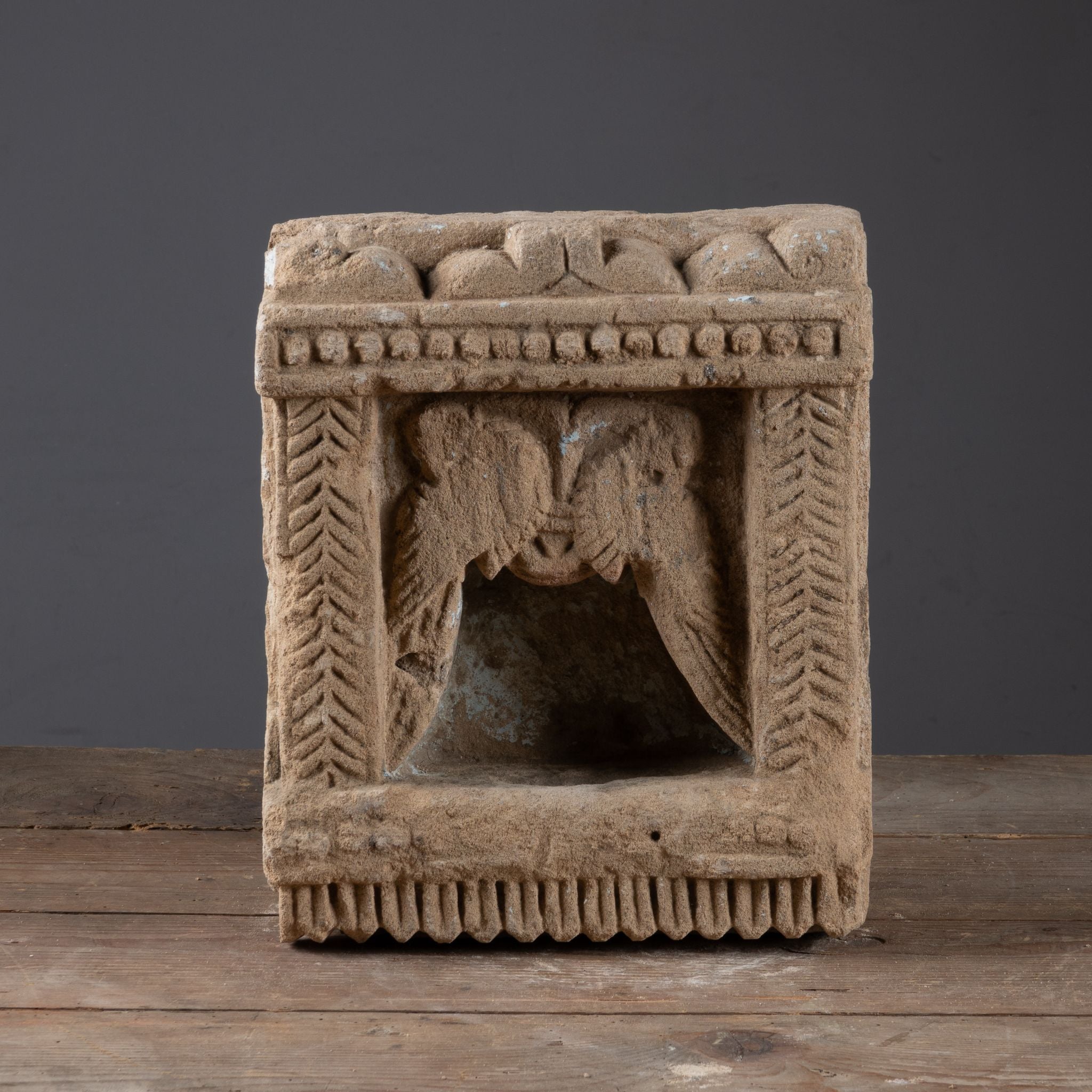
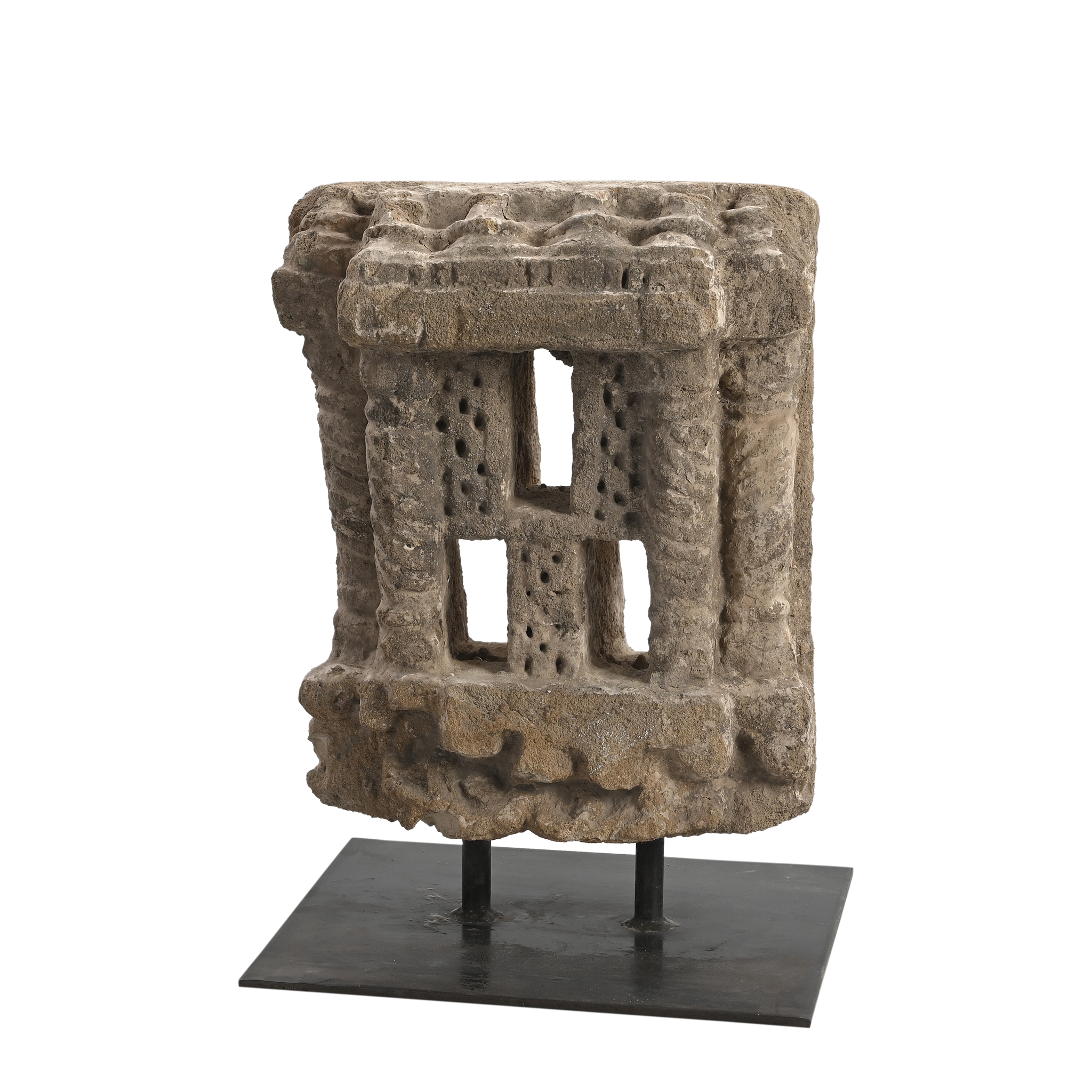
At first glance, these objects look like small stone ‘houses’, carved like miniature façades. Yet before becoming decorative objects such as those you can find in our Orpaï collections, they were built directly into the walls of Indian houses.
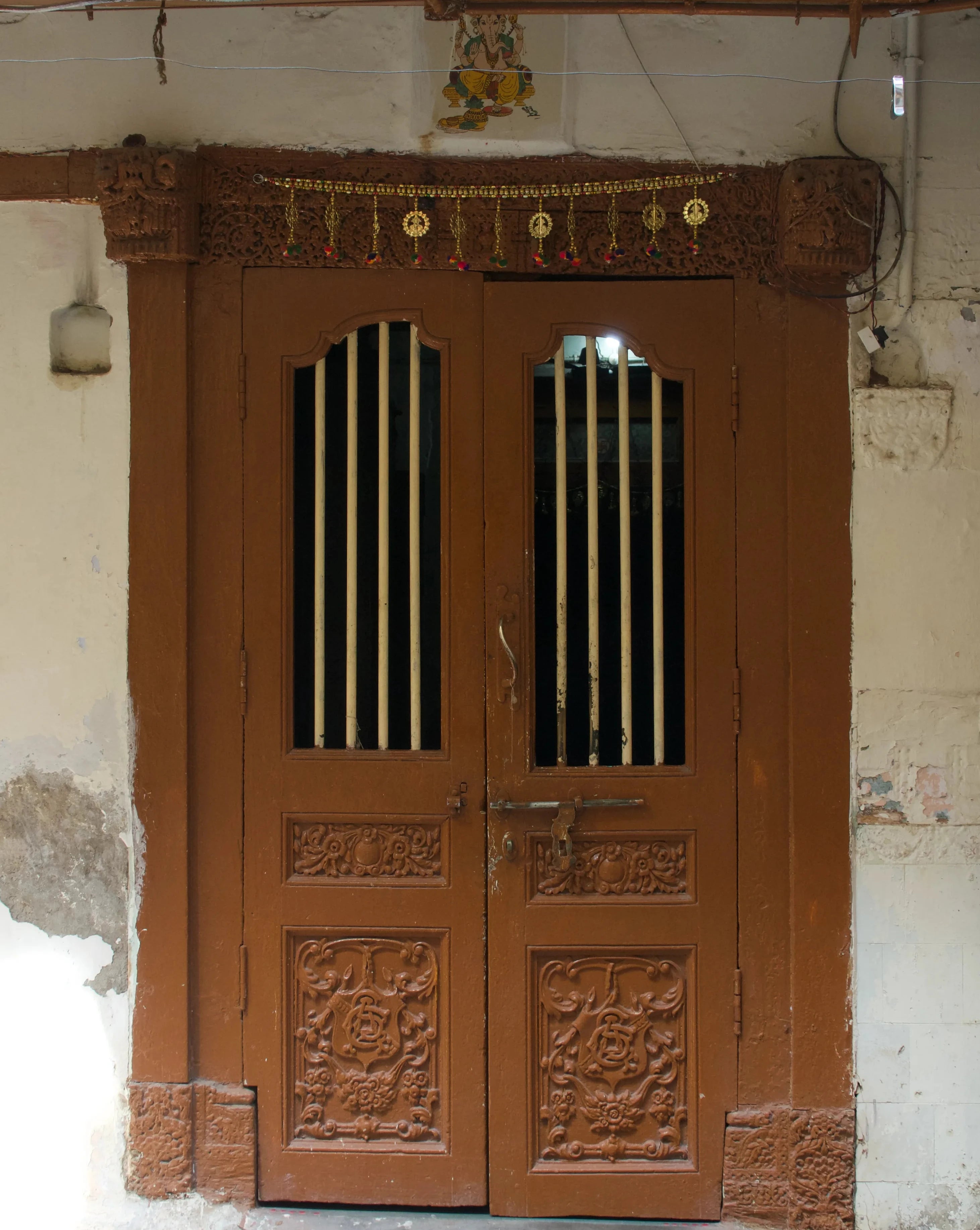
Placed in a living area, near an entrance or on an outside façade on either side of the front door, they held a source of light, a few everyday objects or a sacred image. At once functional, decorative and sometimes spiritual, aalas held a real place in the life of the home.
A niche built into the architecture of the house
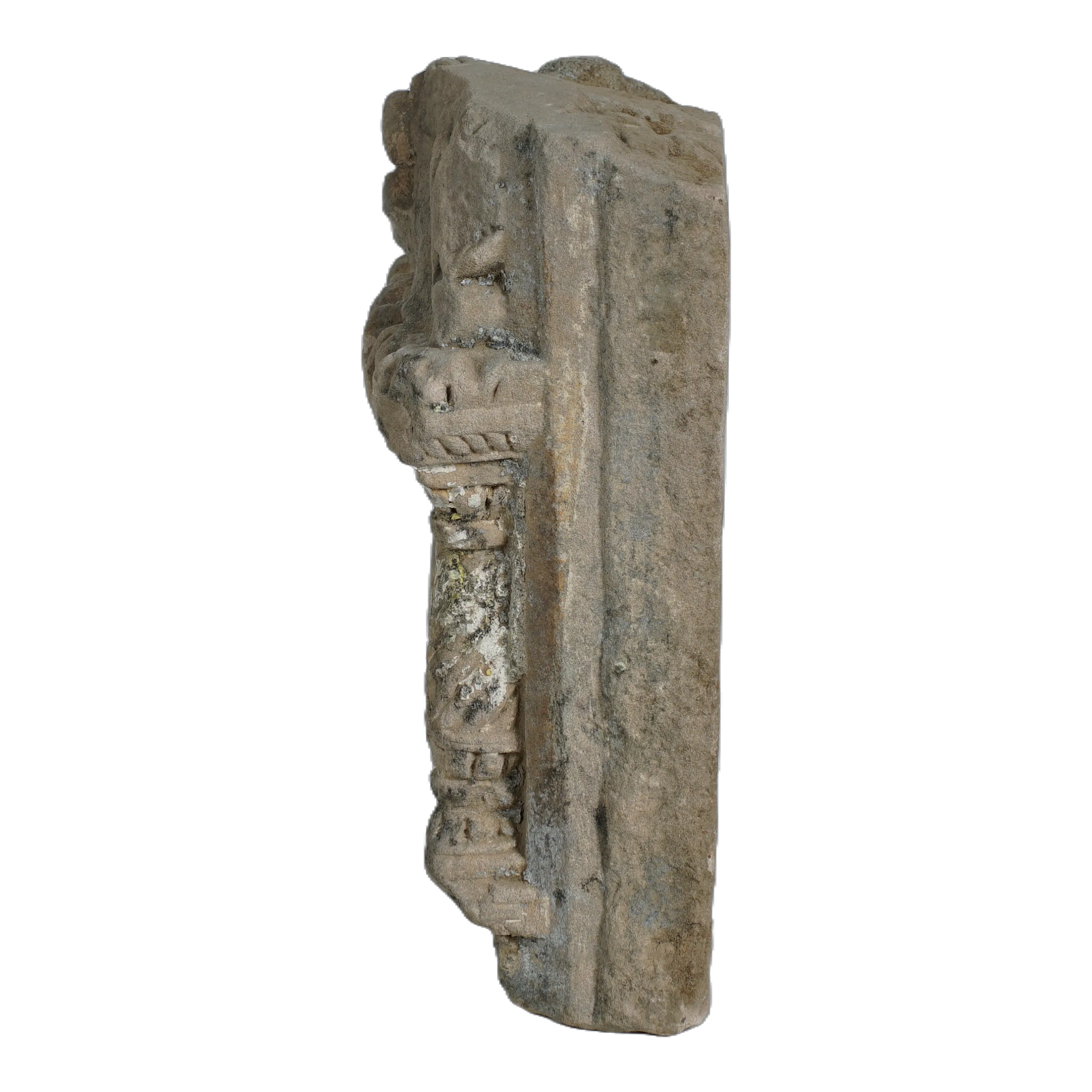
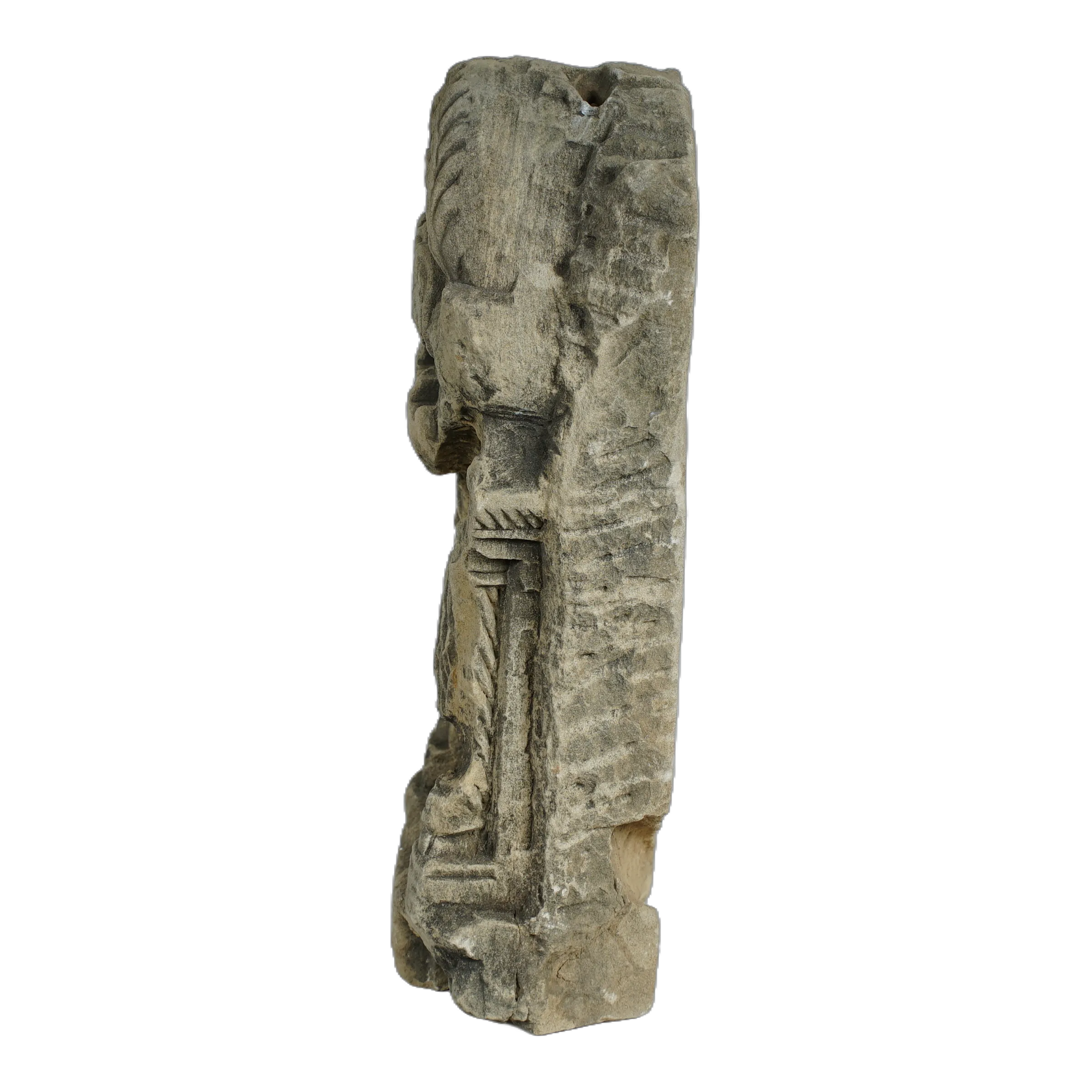
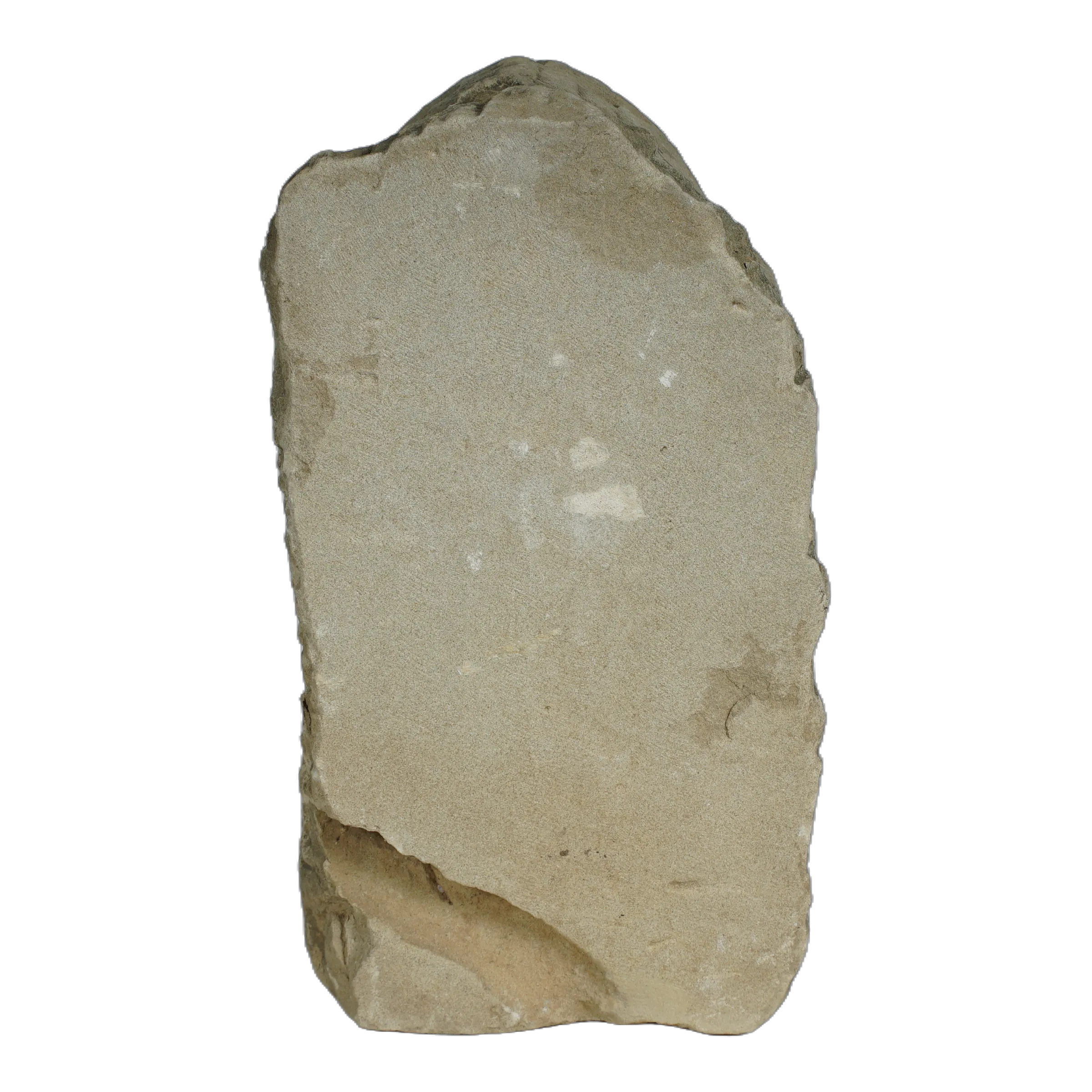
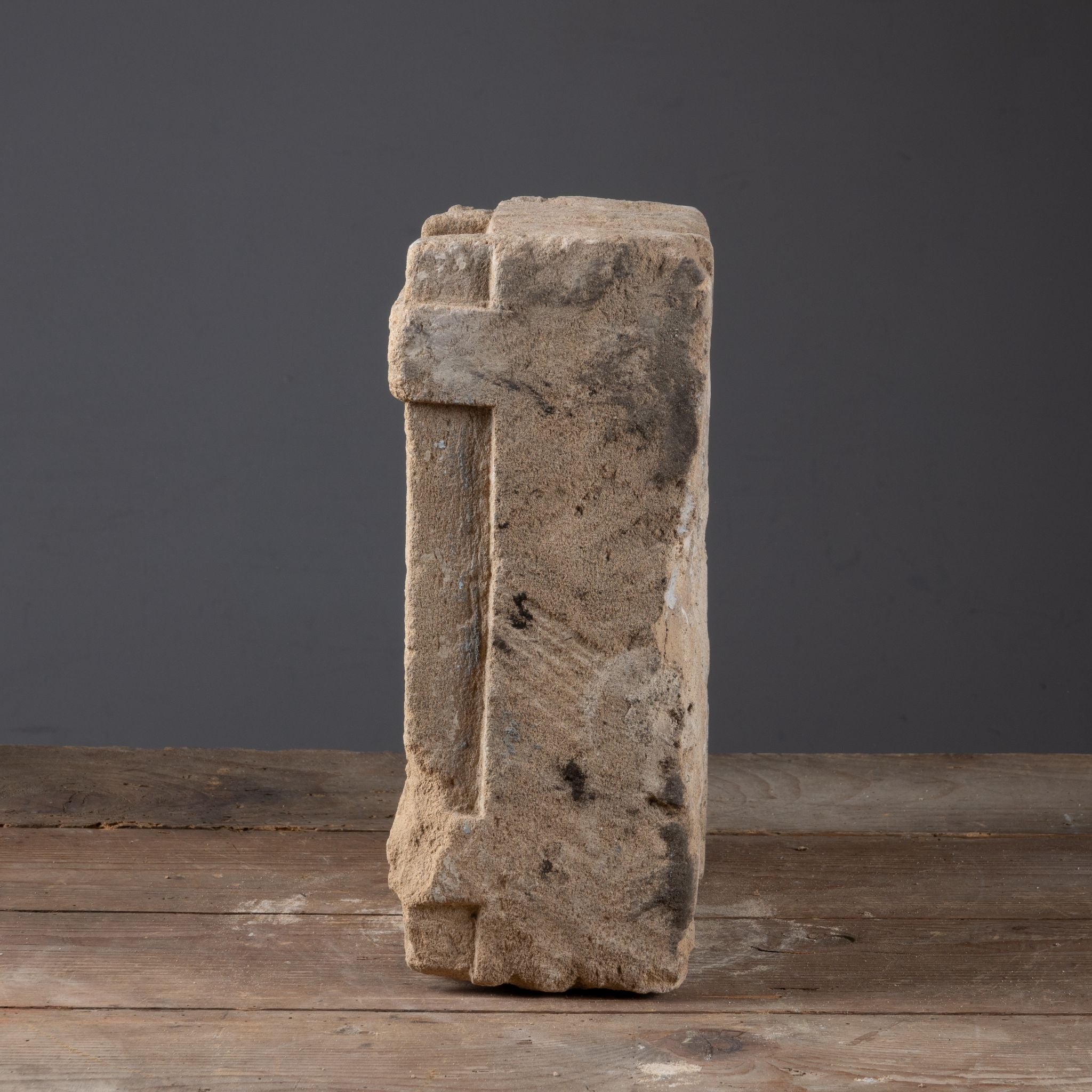
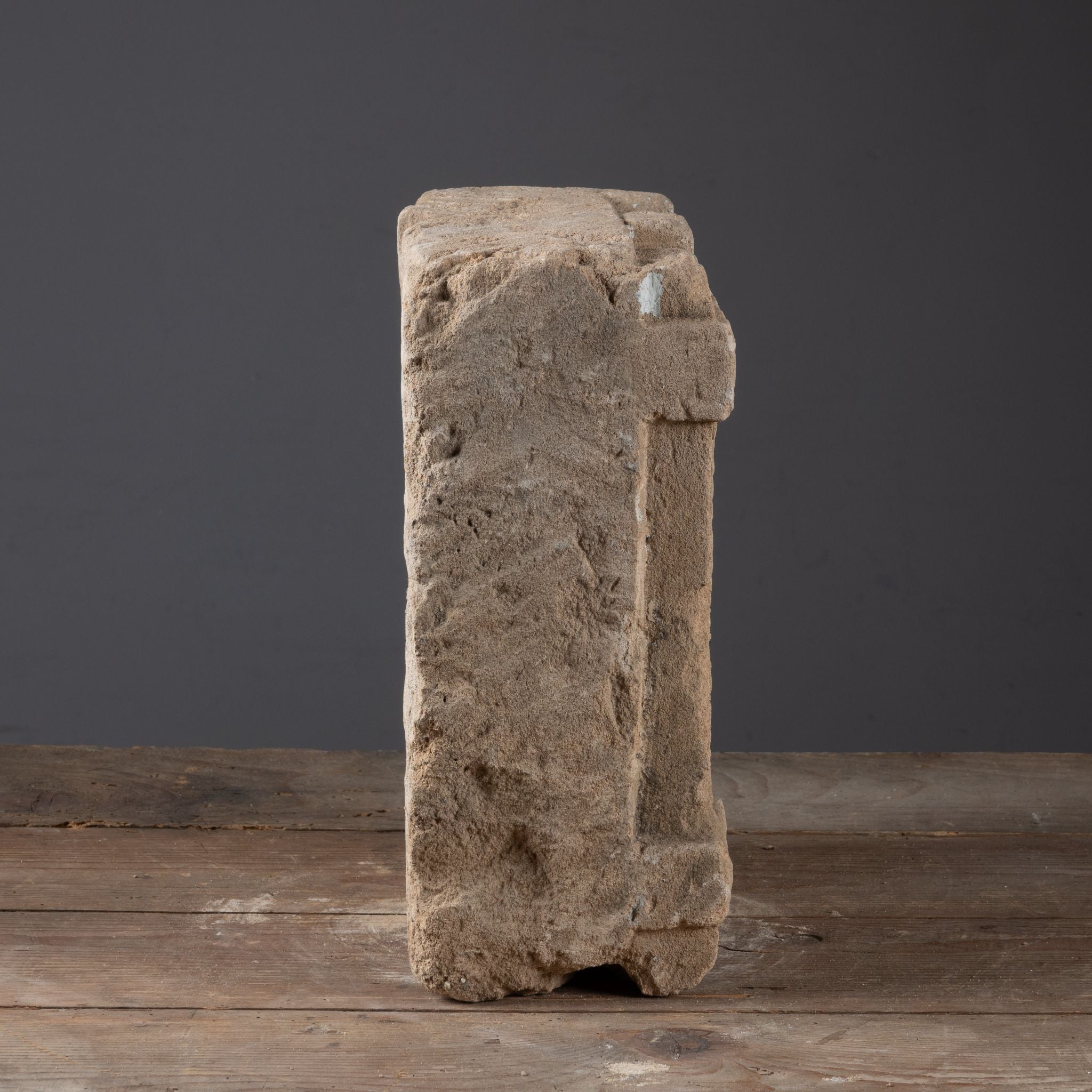
The word ‘aala’ therefore refers to a small niche hollowed out of the thickness of a wall. Unlike a shelf added after construction, it was an integral part of the building’s architecture. Carved by hand from a block of stone, these niches were then built into walls most often made of brick, or sometimes of stone.
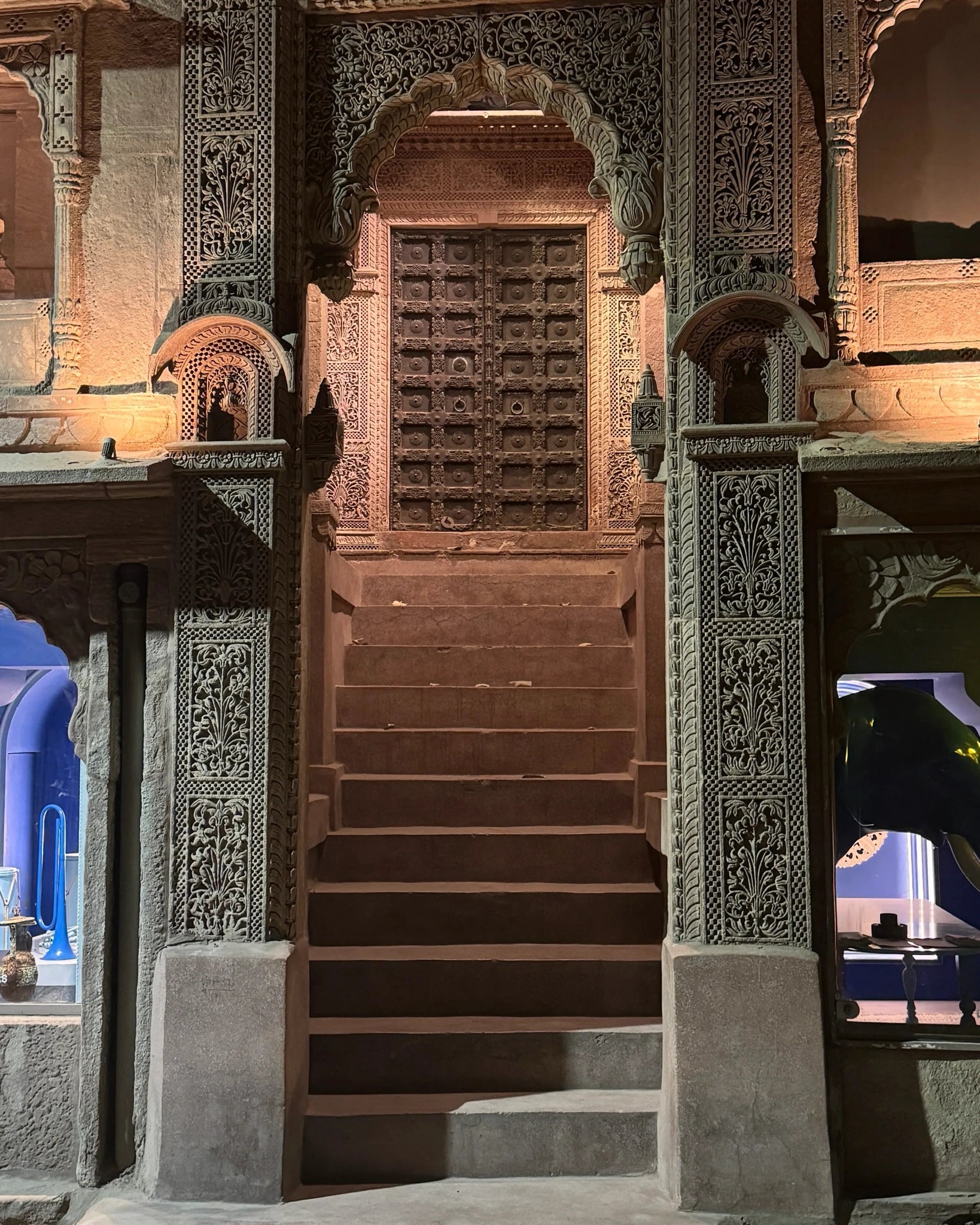
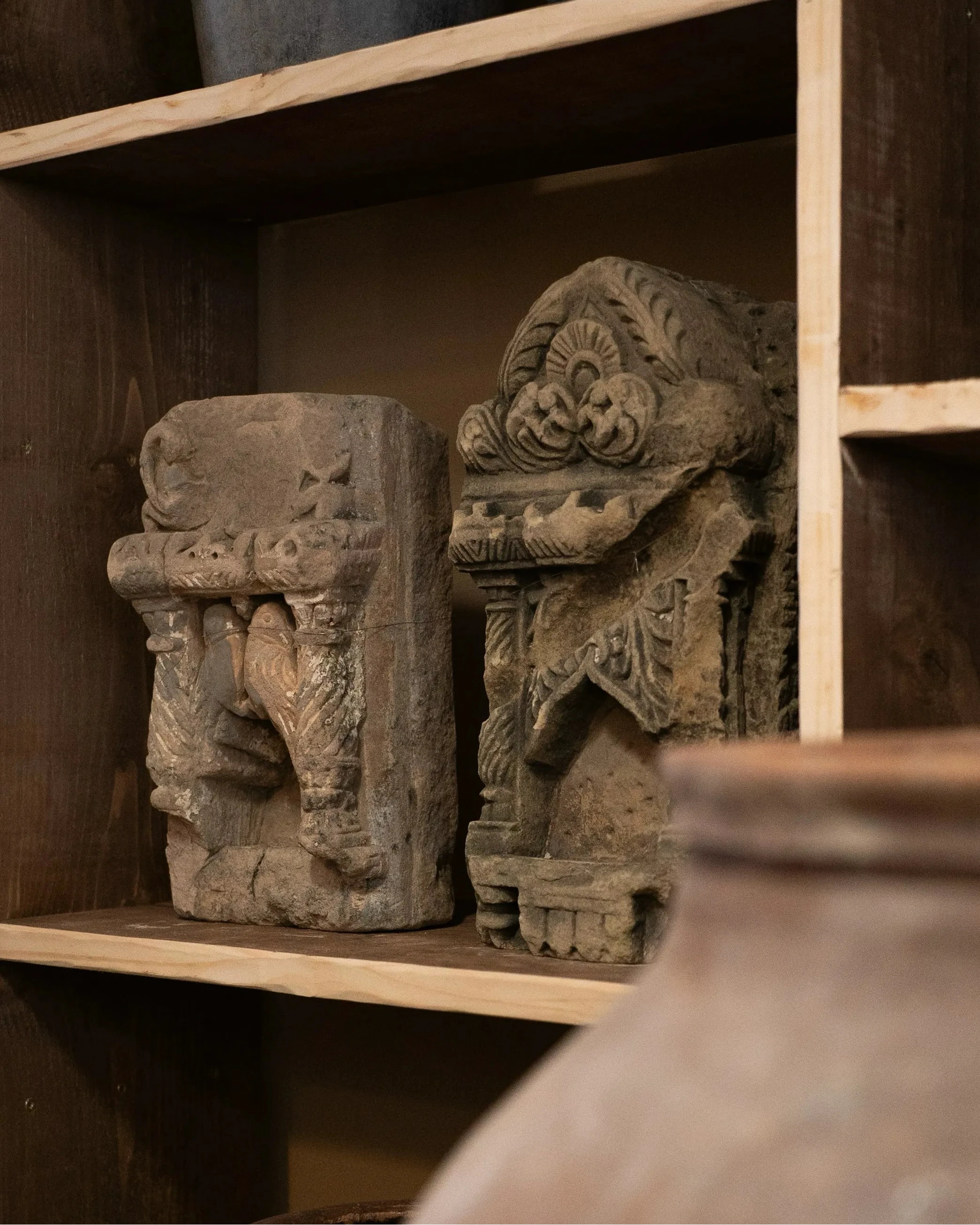
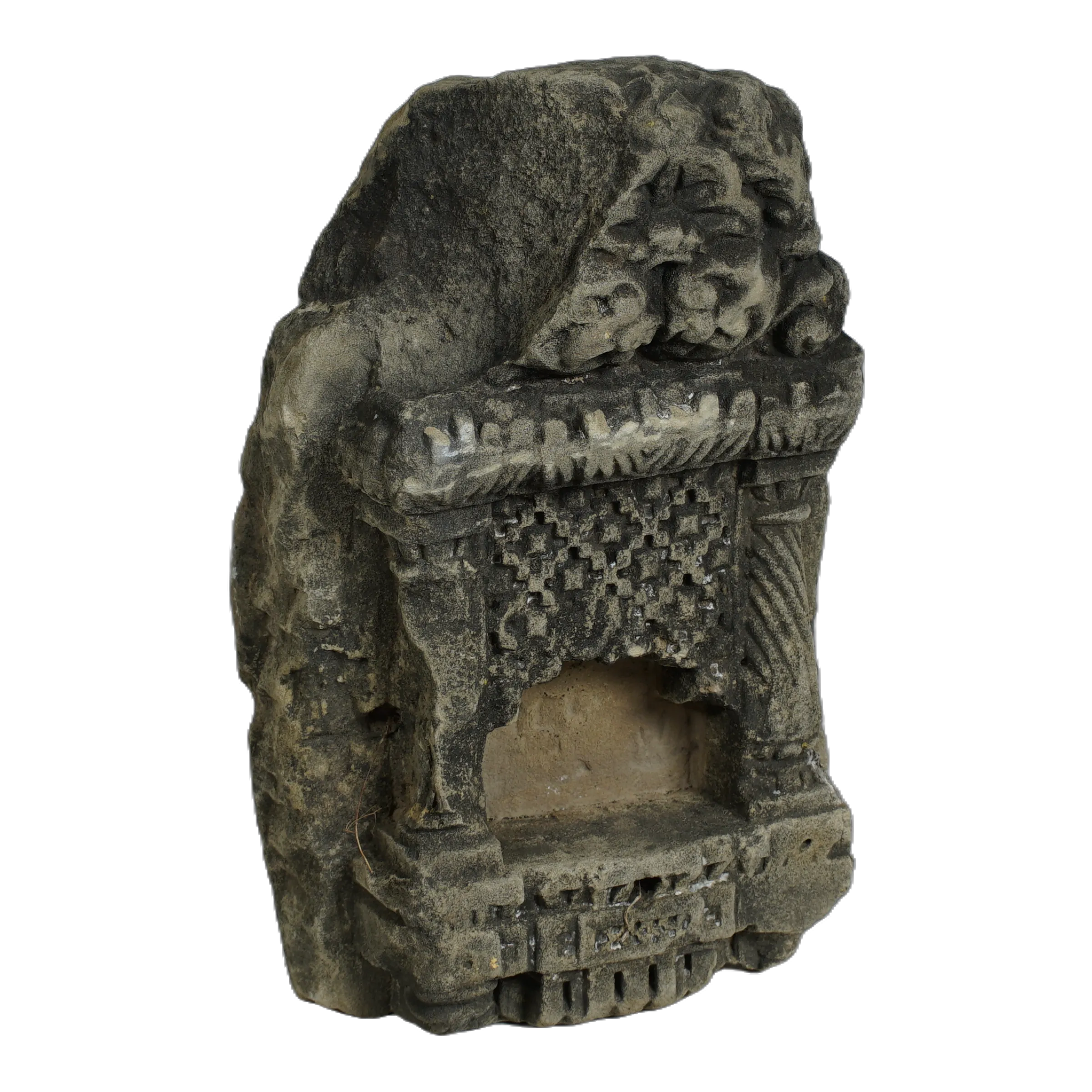
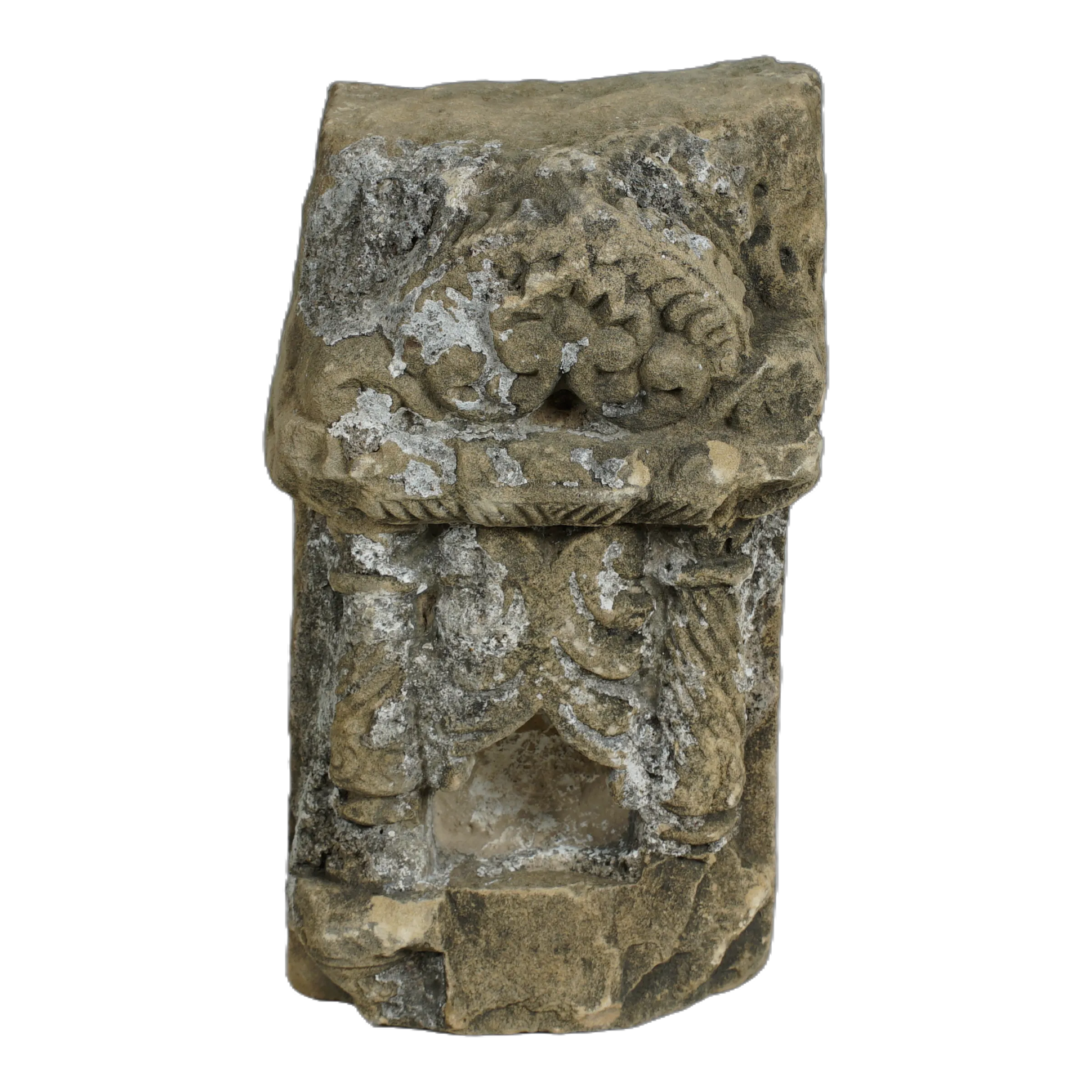
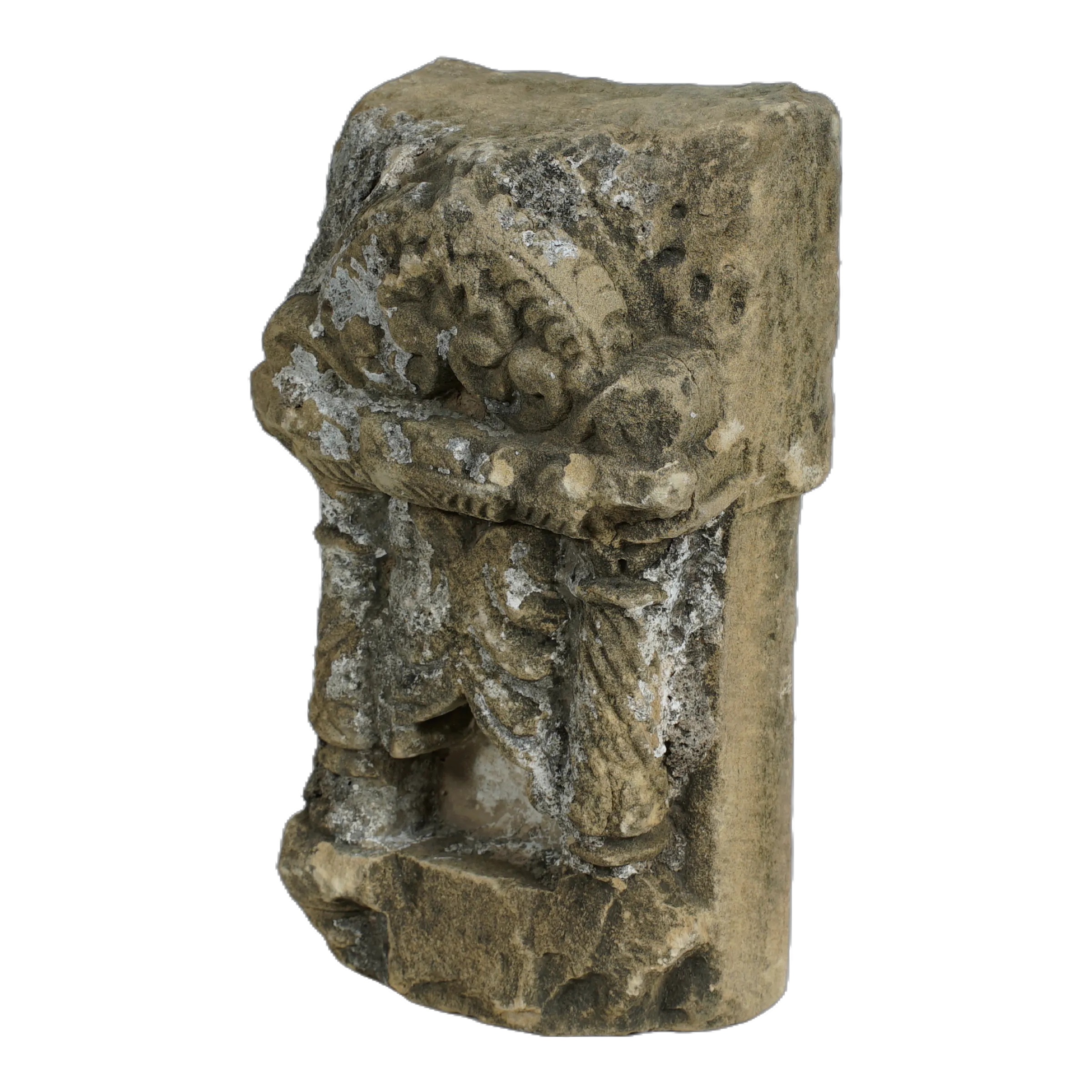
Old dwellings often had walls thick enough to allow these recesses to be created. Their shape could be very simple, with a small arched opening, or more elaborate, with a carved façade and geometric, floral or animal motifs…
Each aala was shaped according to the materials available, local traditions and the craftsman’s skill. There was therefore no single model but a multitude of shapes and decorations, specific to each region and each house.
an architecture designed around light... and more besides
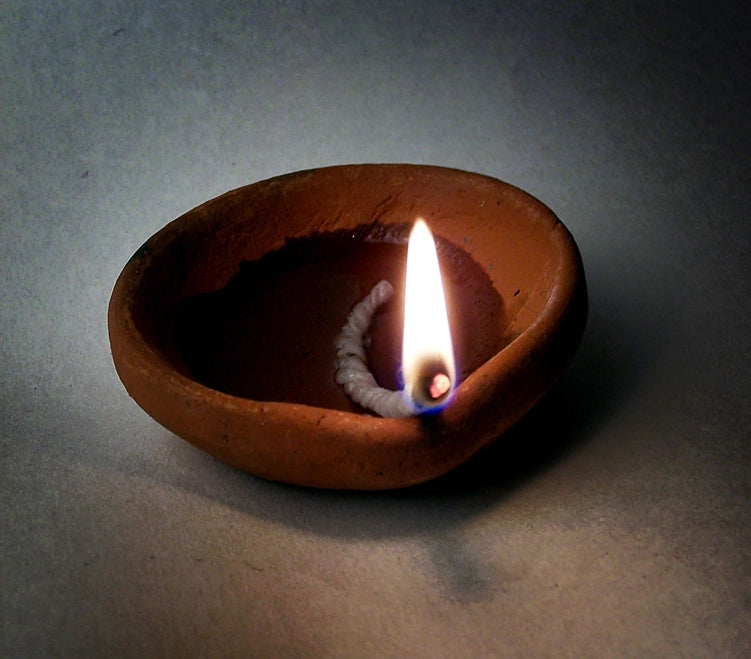
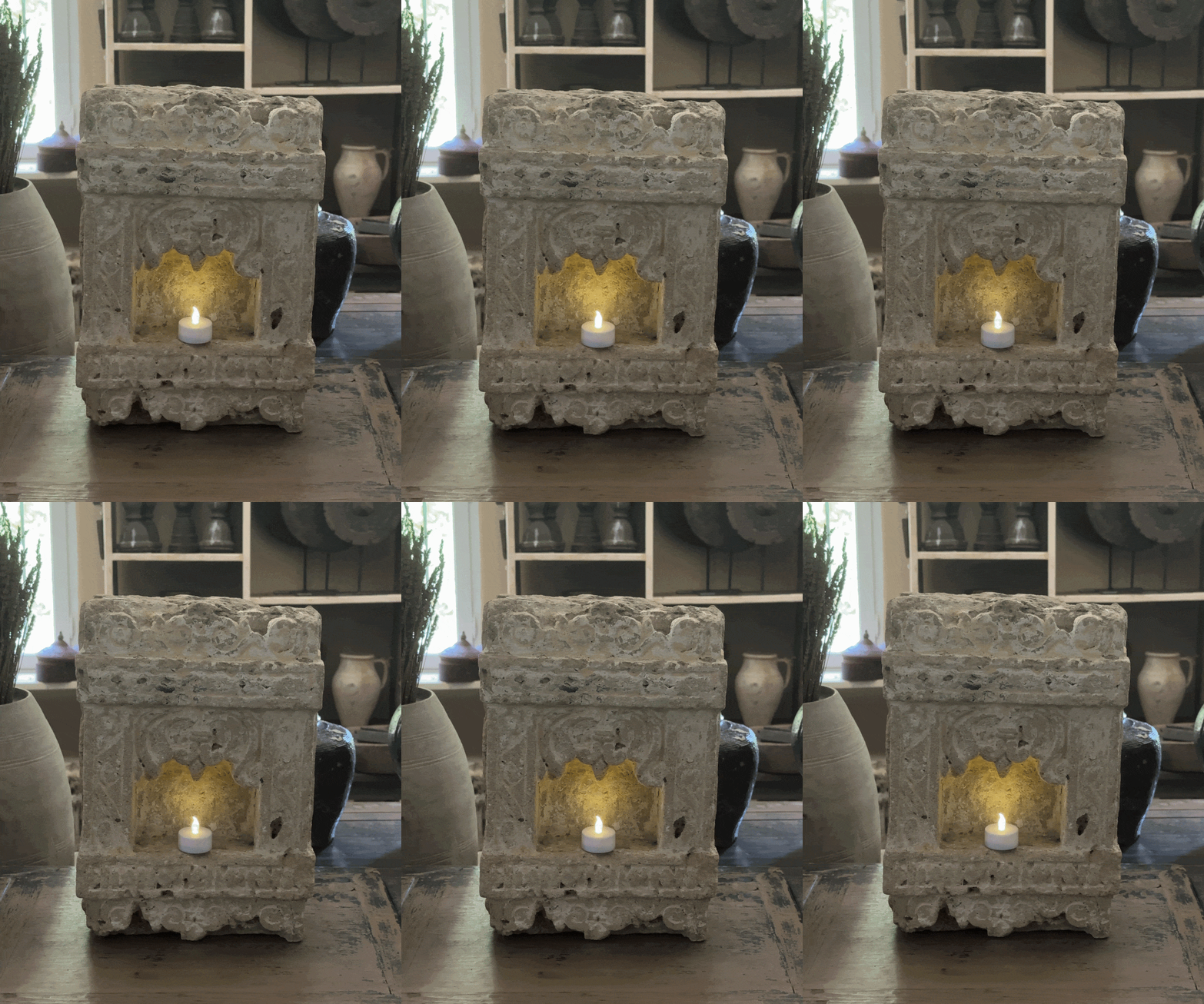
Before the arrival of electricity, aalas often held a small oil lamp called a diya.
These diyas were lit in particular during Diwali, the great Hindu festival of lights, when many families illuminate their homes to symbolise the victory of light over darkness.
Placed in the niche, the lamp was protected from draughts and spread a soft light through the room. On some models, the openwork sections let the light through and cast small shadows on the wall.
The aala therefore made it possible to light the house or the front door while protecting the flame.
However, aalas were not used solely to hold a lamp. They could also hold small everyday objects, flowers, keepsakes, offerings, images of deities… In some houses, they became small prayer spaces.
Not all aalas had a religious function, however. Some were simply used for storage or as a stand for a source of light.
Their use depended above all on the habits of each family and on where the aala was placed in the house.
a new place in our interiors
Aalas could be made of stone but also of brick. Stone models are often the most sculptural: their shape recalls a small façade, a temple entrance or a miniature piece of architecture.
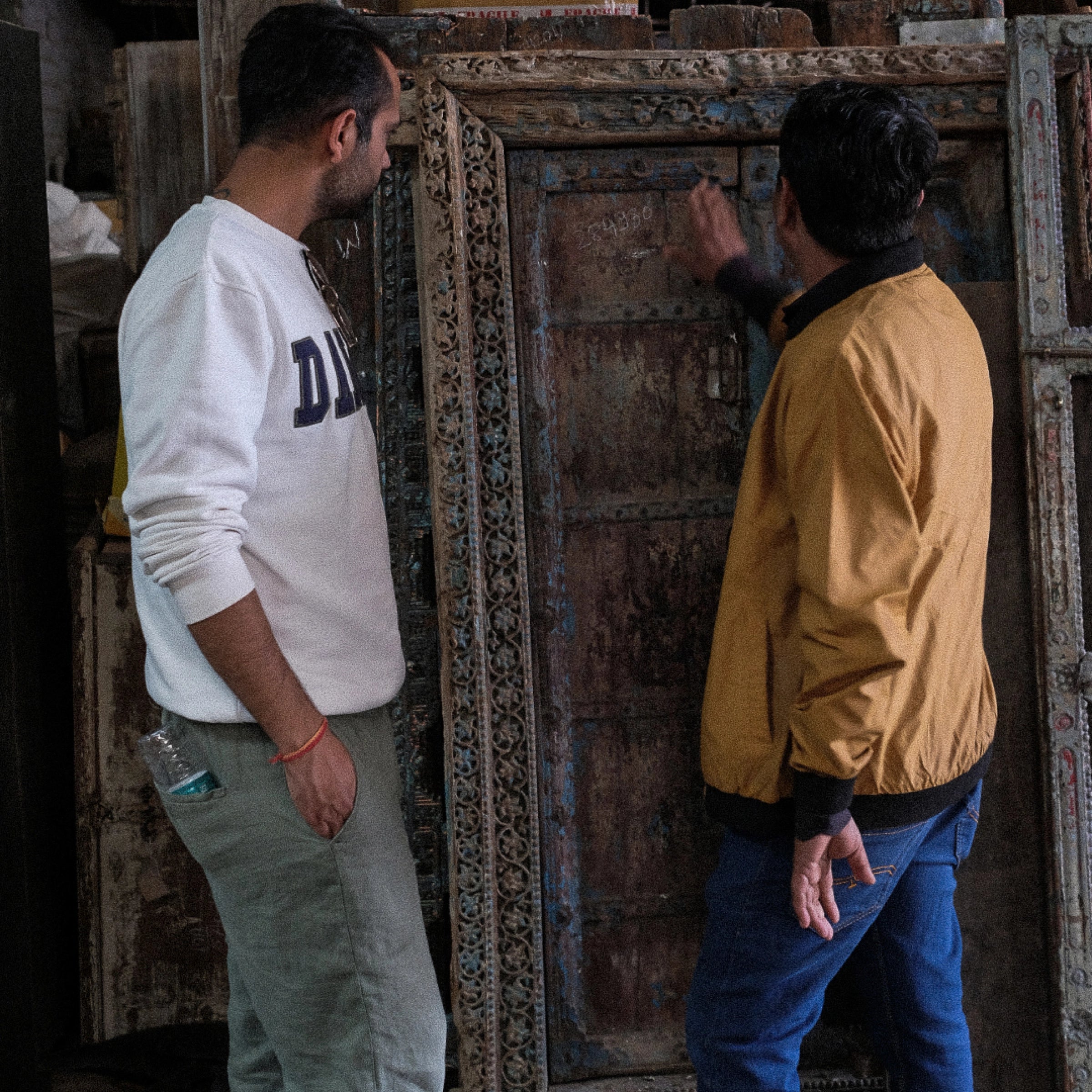
In India, some old houses are demolished, for lack of means to maintain them, to make way for new buildings. Before demolition, the architectural elements are often salvaged and then sold.
This is the case with aalas, once built directly into the walls of these houses. Ultimately, having an aala at home means owning a fragment of Indian history that will never be found again. Once removed from their setting, they become objects in their own right while keeping the traces of their former use.
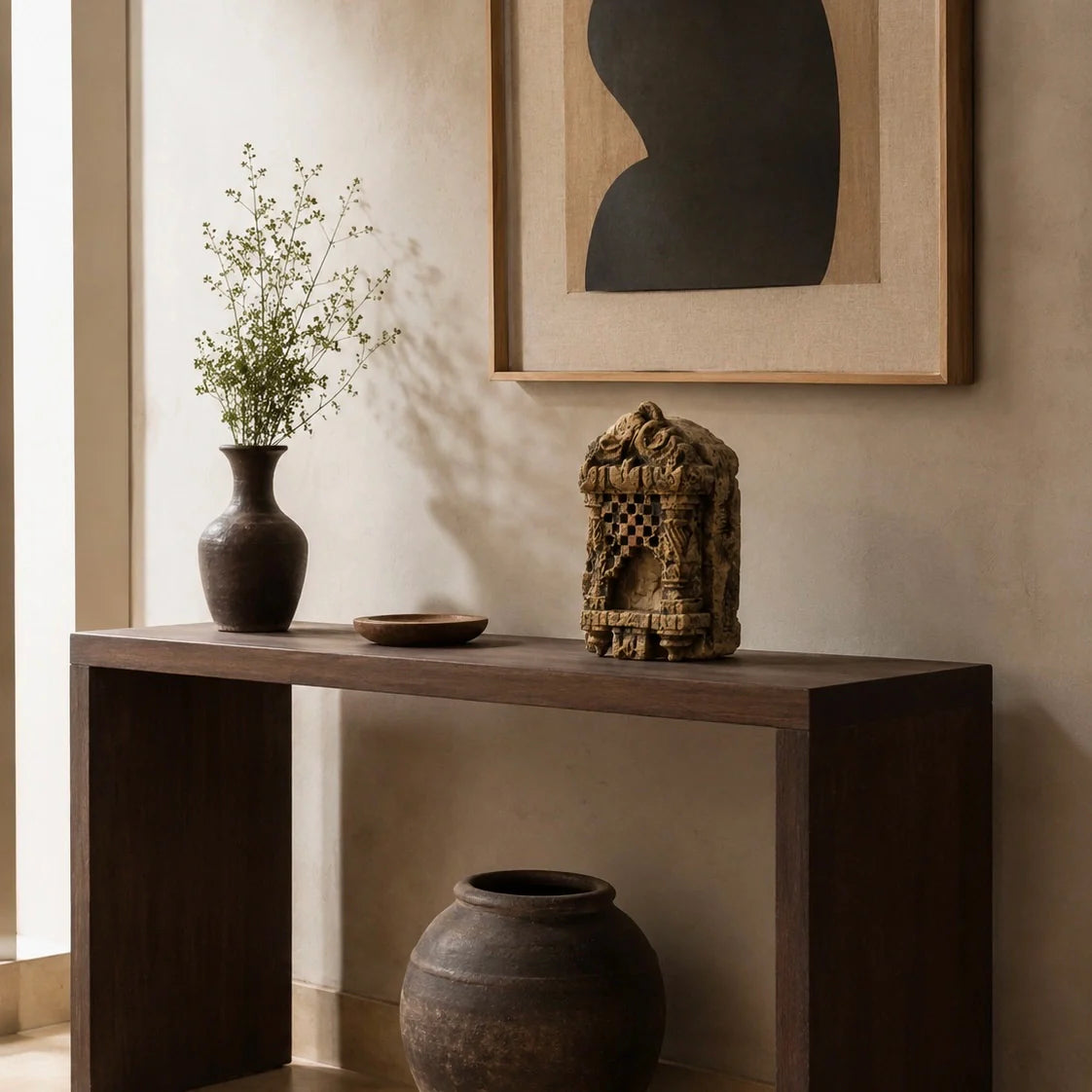
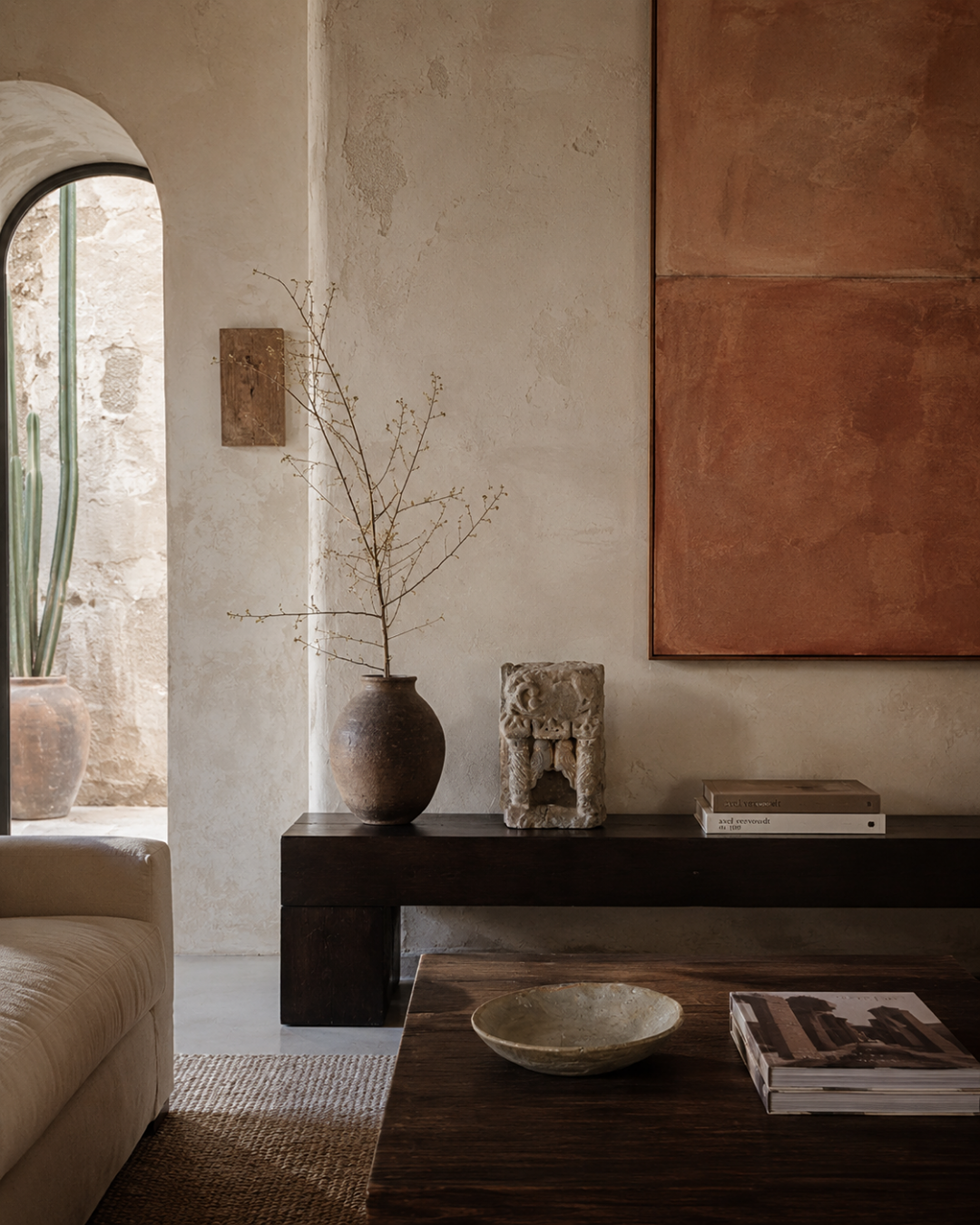
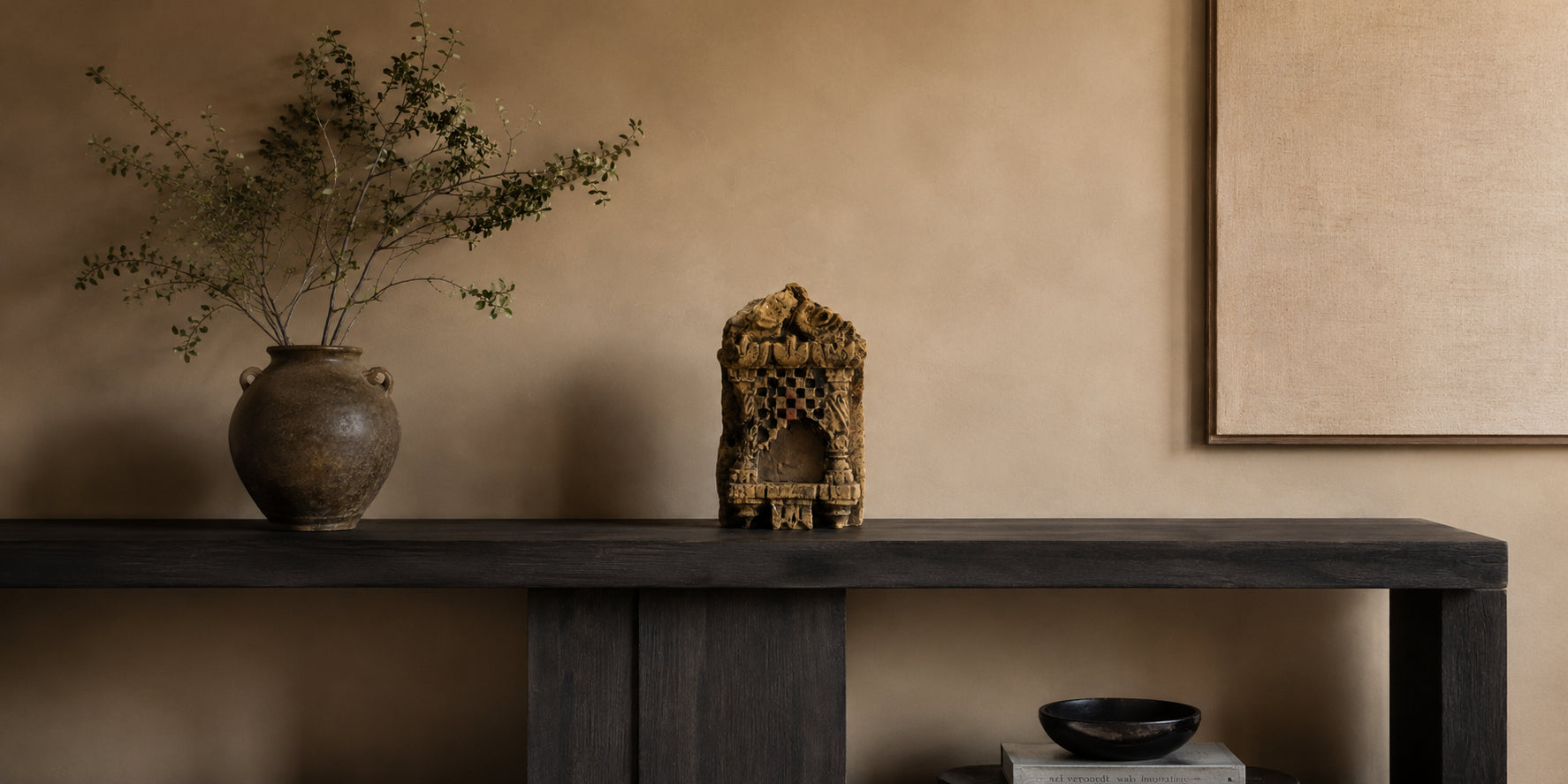
Today, aalas can be placed on a console, a shelf, a mantelpiece or a piece of furniture. They can remain empty, like small sculptures, or hold a candle, a precious object, a ceramic, a few flowers…
In a contemporary interior, their old stone creates a beautiful contrast with more modern materials such as glass, metal or smooth wood. They can also find their place in a garden, on a terrace or in a patio.
the beauty of the marks of time
Each aala is different.
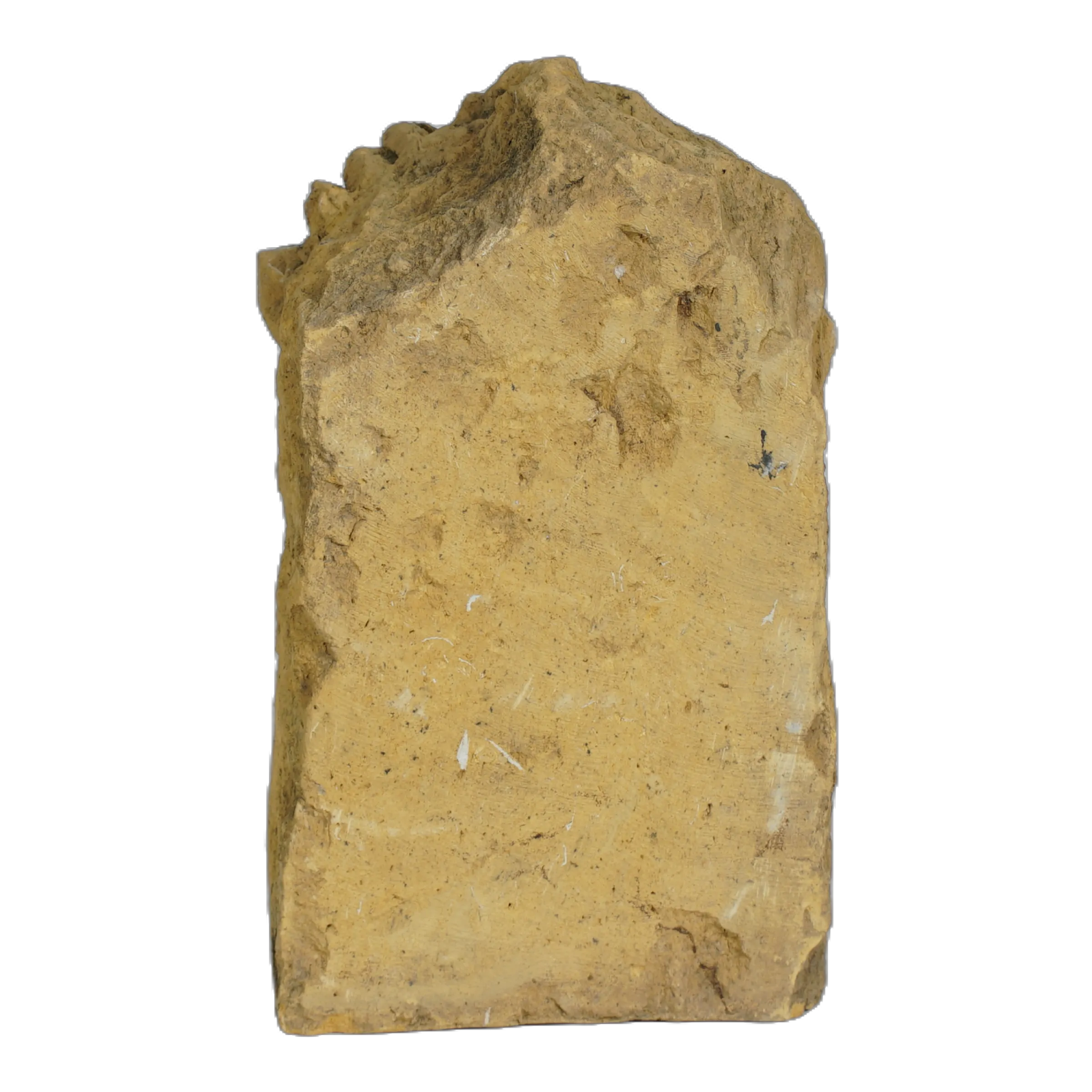
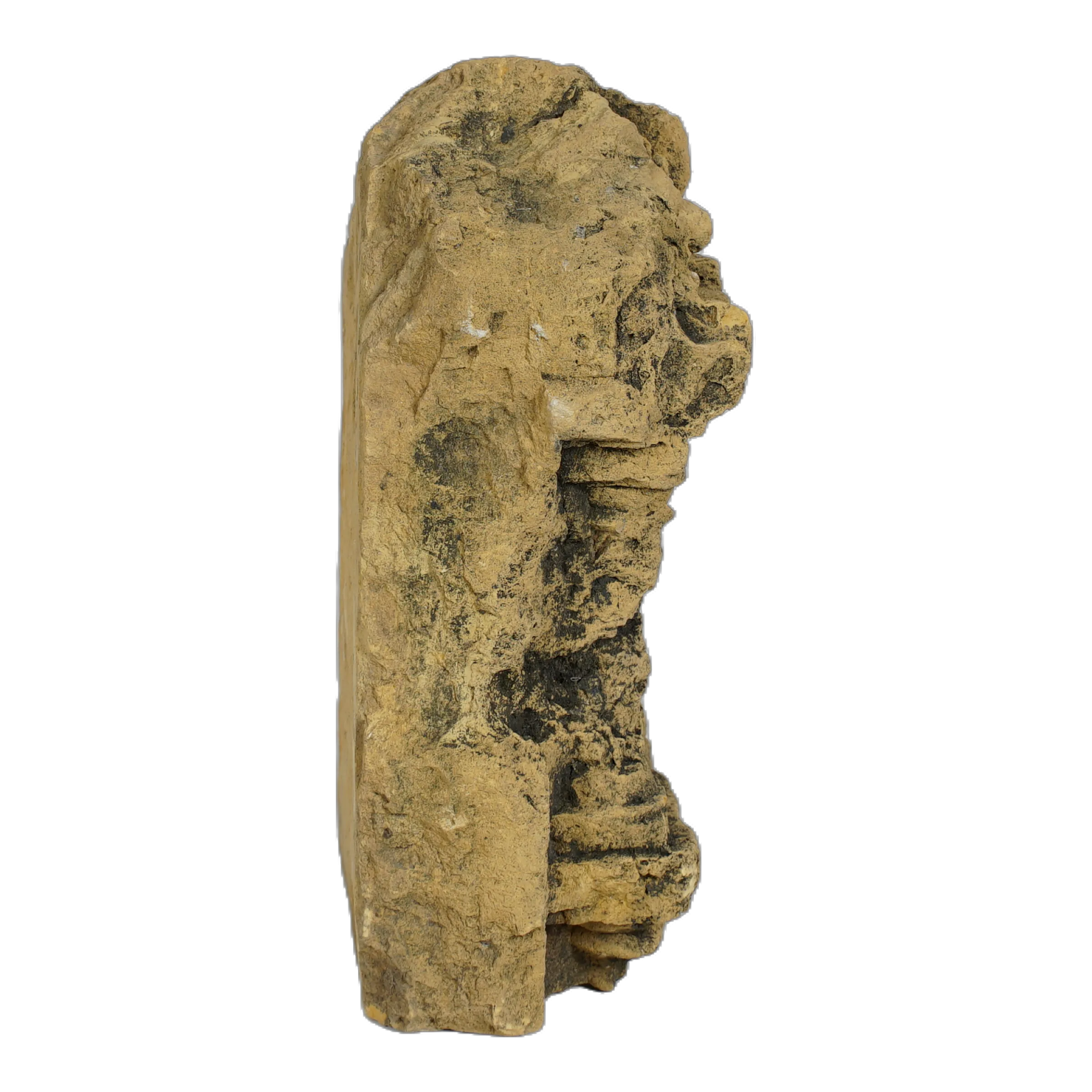
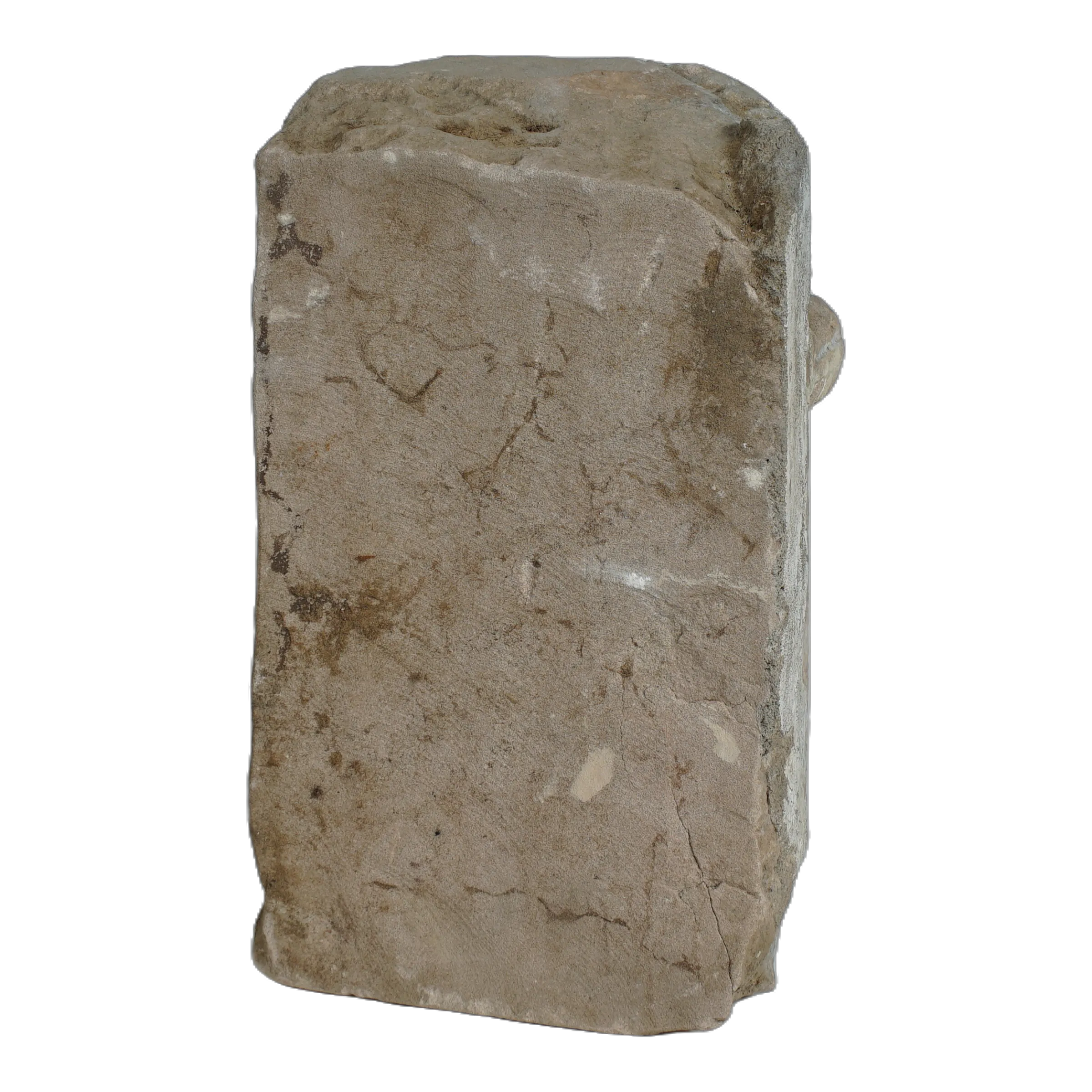
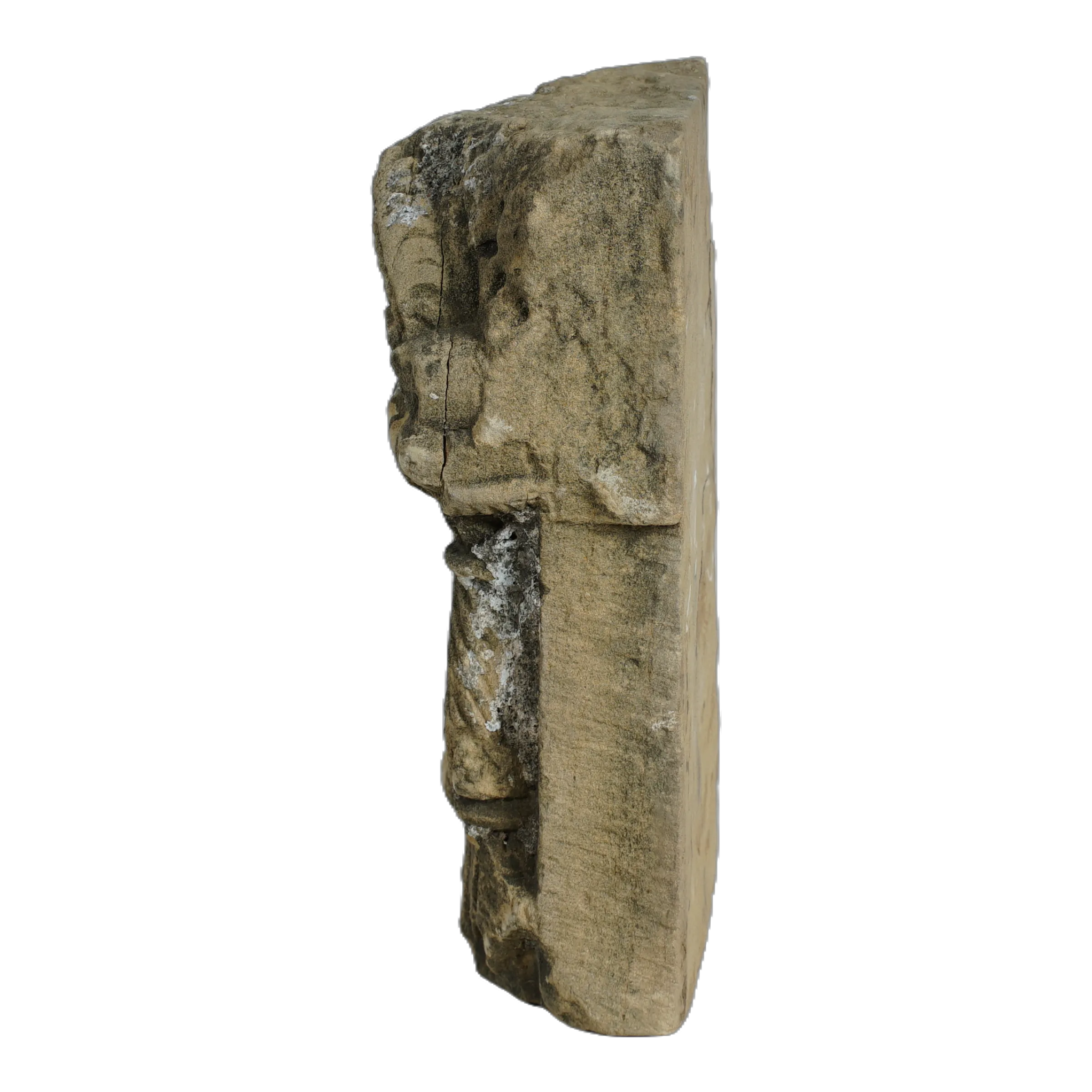
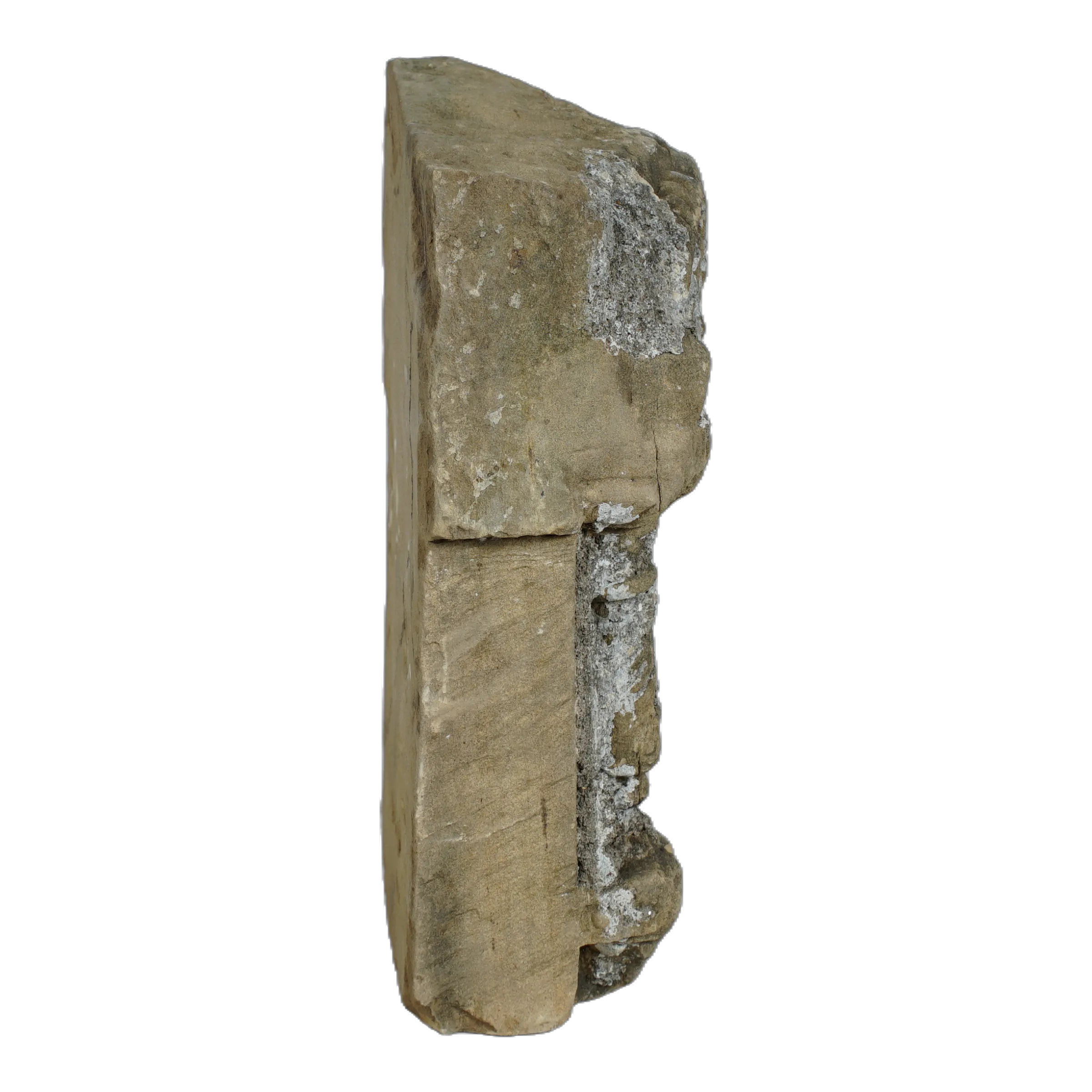
Its shape, its patina, its colours and its signs of wear depend on its history. Some pieces still bear darker marks, sometimes left by the smoke of old lamps. Others show cracks, irregularities, reliefs…
Over time, details have sometimes faded, the stone has changed colour and some reliefs have softened. It is precisely these details that give each piece its character. At Orpaï, we do not see these marks as flaws: they tell the story of the object and show that it was truly used.
Aalas tell several stories at once: that of the craftsman who made them, that of the house they belonged to and that of the people who used them.
the aalas sourced by Orpaï
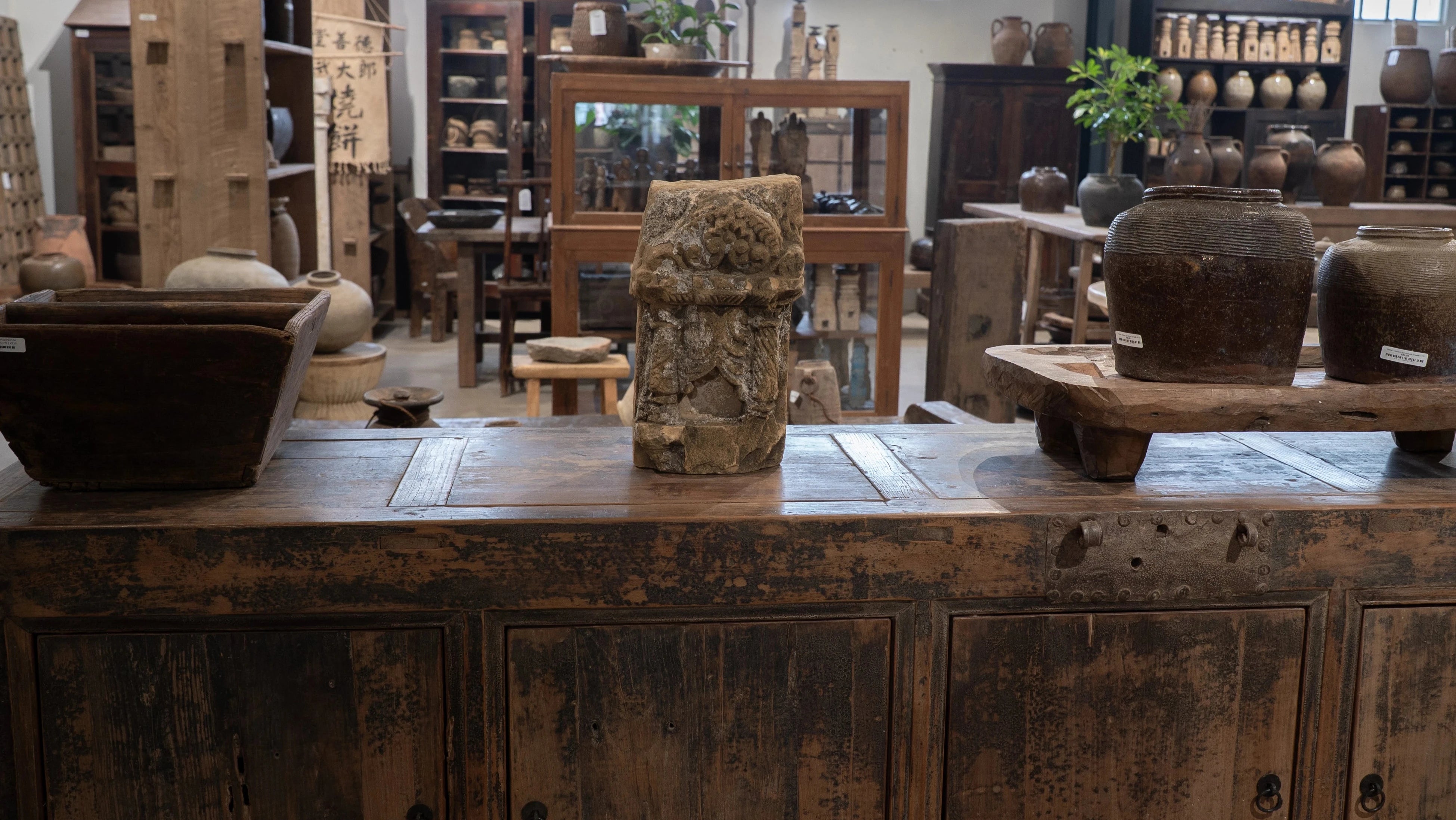
At Orpaï, we select each aala piece by piece.
We choose them for their shape, their details, their patina and the marks of time they bear. Some have a very elaborate silhouette, while others appeal through their simpler, rawer look.
Once built into the walls of Indian houses, they now find a new place in our interiors.
Somewhere between decorative object, sculpture and architectural fragment, aalas thus continue to tell their story.
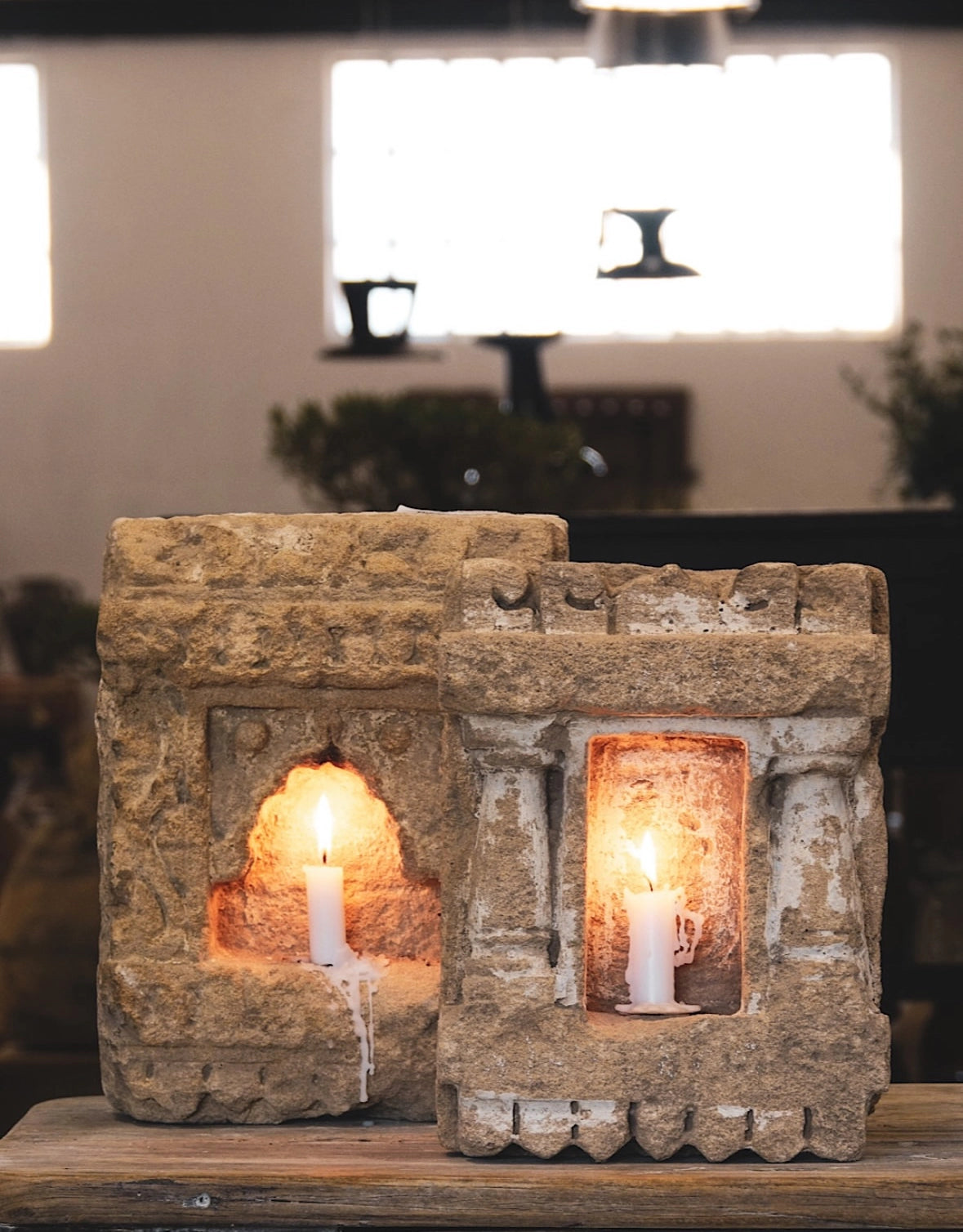
Discover our Indian aalas in stock
A selection of one-of-a-kind pieces sourced in India


Frequently asked questions
An aala is a small niche once built into the walls of Indian houses. It could hold an oil lamp, everyday objects, flowers, offerings…
Aalas were mainly used to light homes before the arrival of electricity. They often held a diya, a small oil lamp protected from draughts by the niche. Some were also used for storage or as a small prayer space.
No. Some aalas did hold deities or offerings, but others simply had a practical function.
Old aalas were made of stone, wood or terracotta. Stone models are often carved with arches, columns, geometric or floral motifs, or symbolic figures.
Each aala was made by hand according to the materials available, local traditions and the craftsman’s skill. Their shape, colour and patina therefore vary from one piece to another.
An Indian aala can be placed on a console, a shelf or a mantelpiece. It can be displayed on its own like a sculpture, or hold a candle, a ceramic or a small object. It can also be placed in a garden, on a terrace or in a patio.
At Orpaï, Indian aalas are selected piece by piece for their shape, their patina, their details and the marks of time they bear. Each one is a one-of-a-kind piece.
Read more

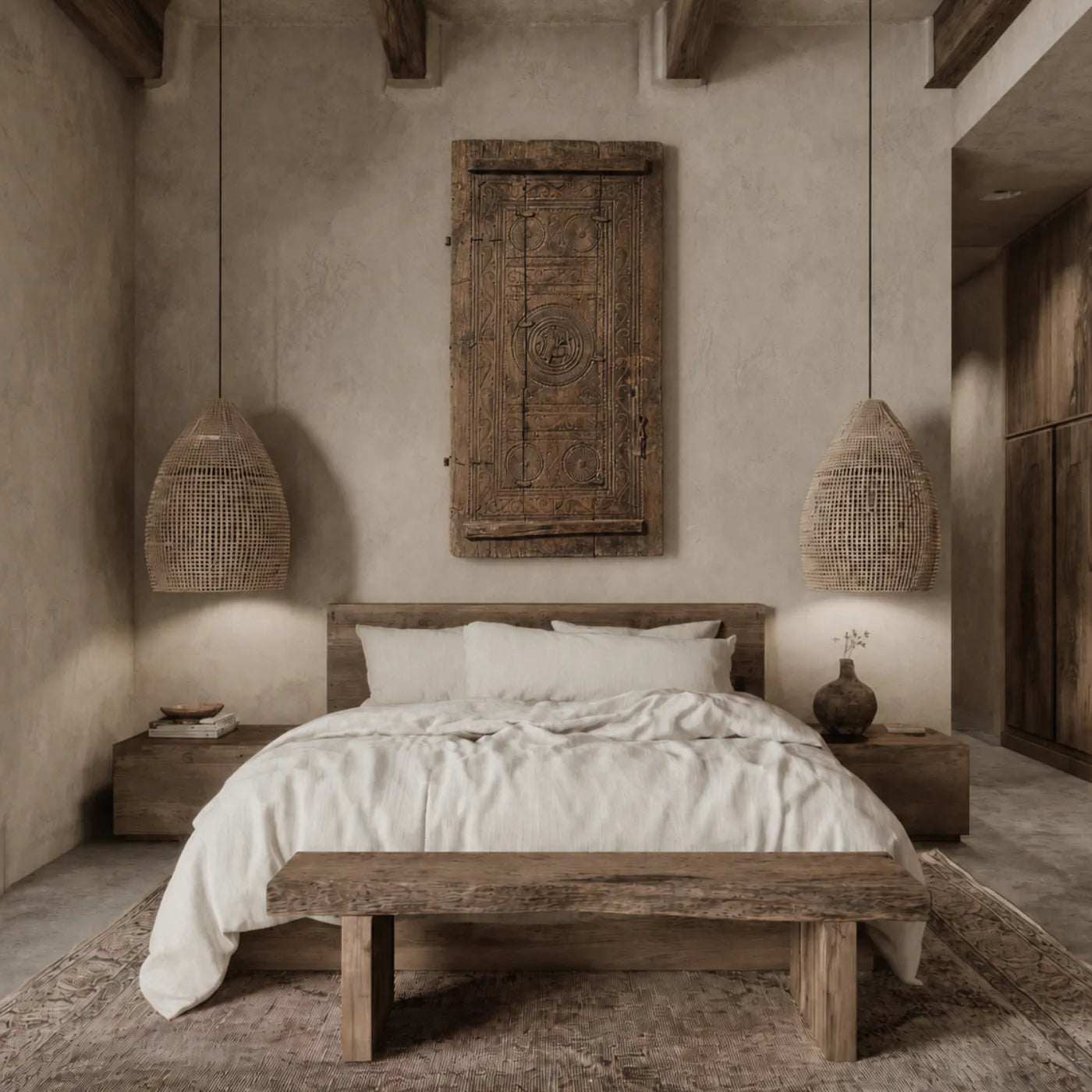
Originating in central India, old Indian tribal doors tell of the life, beliefs and craftsmanship of the communities that shaped them. Discover their history, their carved motifs and their new plac...