


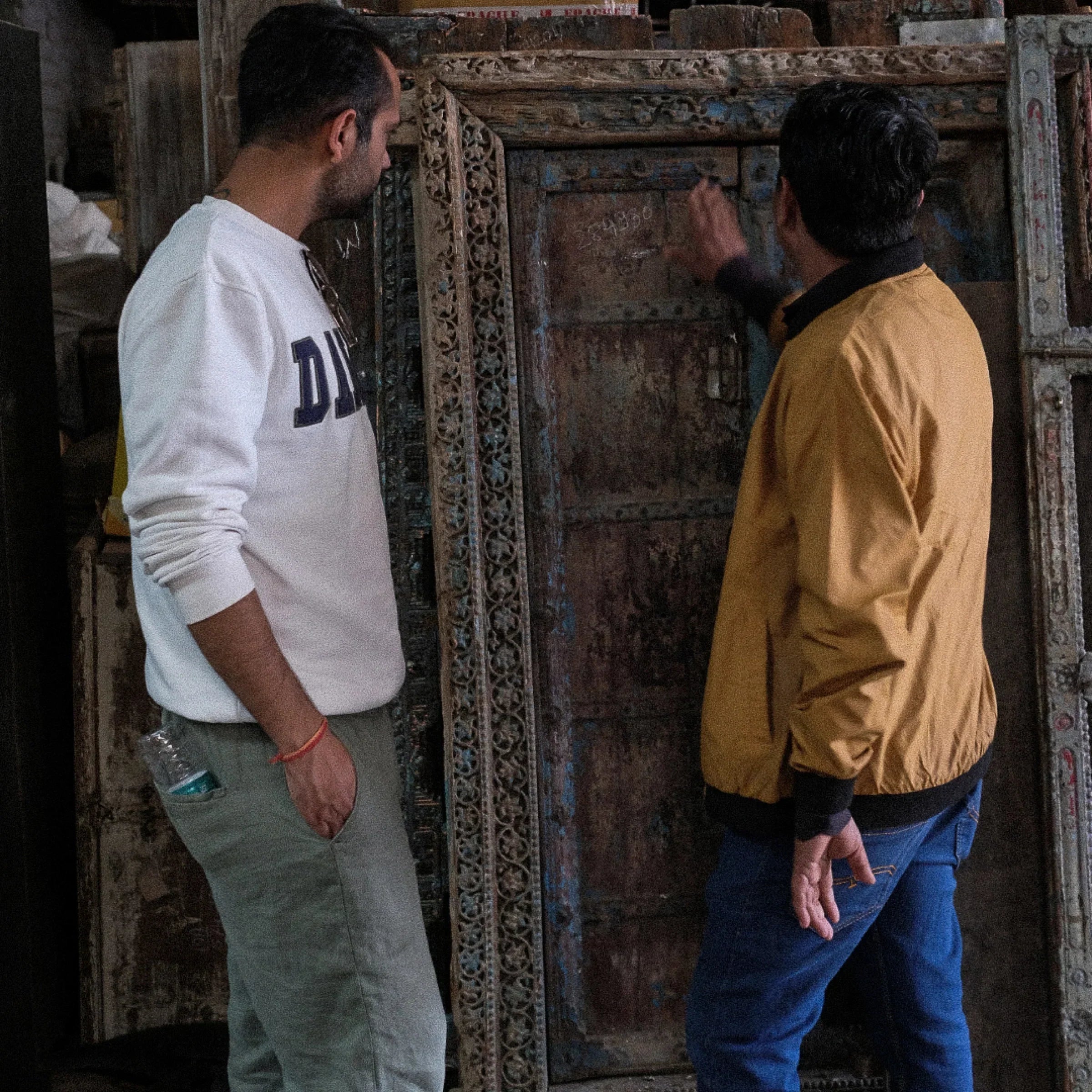
How do we source our pieces in India, China and Turkey?
It is a question you often ask us: How do we find the furniture, jars and objects we offer at Orpaï?
The answer is quite simple: we go and find them ourselves.
Behind every piece lie journeys, miles travelled, warehouses visited, markets explored, many conversations and sometimes long hours of searching before finding the right piece.
Over the years, we have also built up a real address book and, above all, relationships of trust with suppliers and families who know their region and its craftsmanship inside out.
Today, we source our pieces in India, China and Turkey, before bringing them to our showroom in Provence, from where we prepare their shipment to your home ourselves.
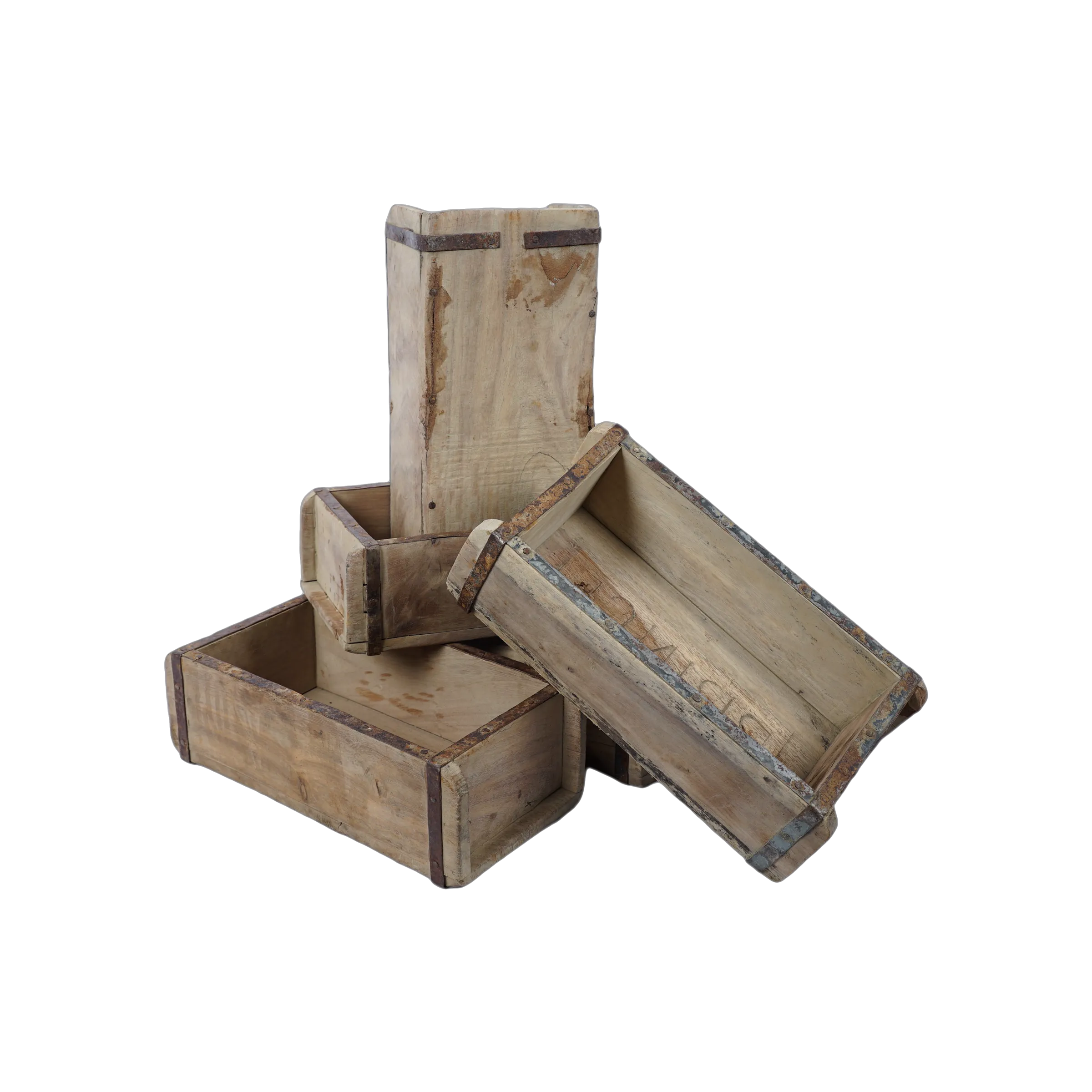
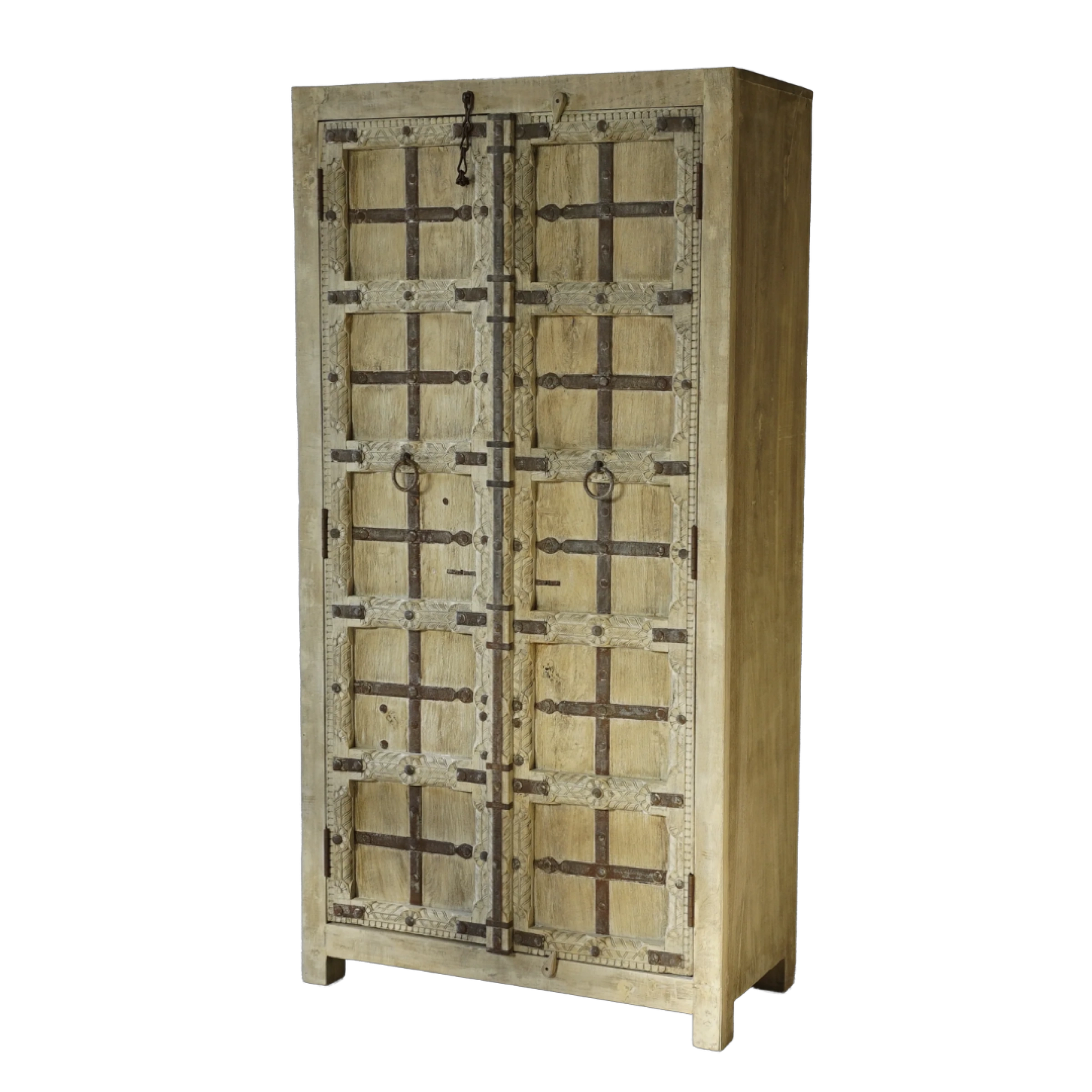
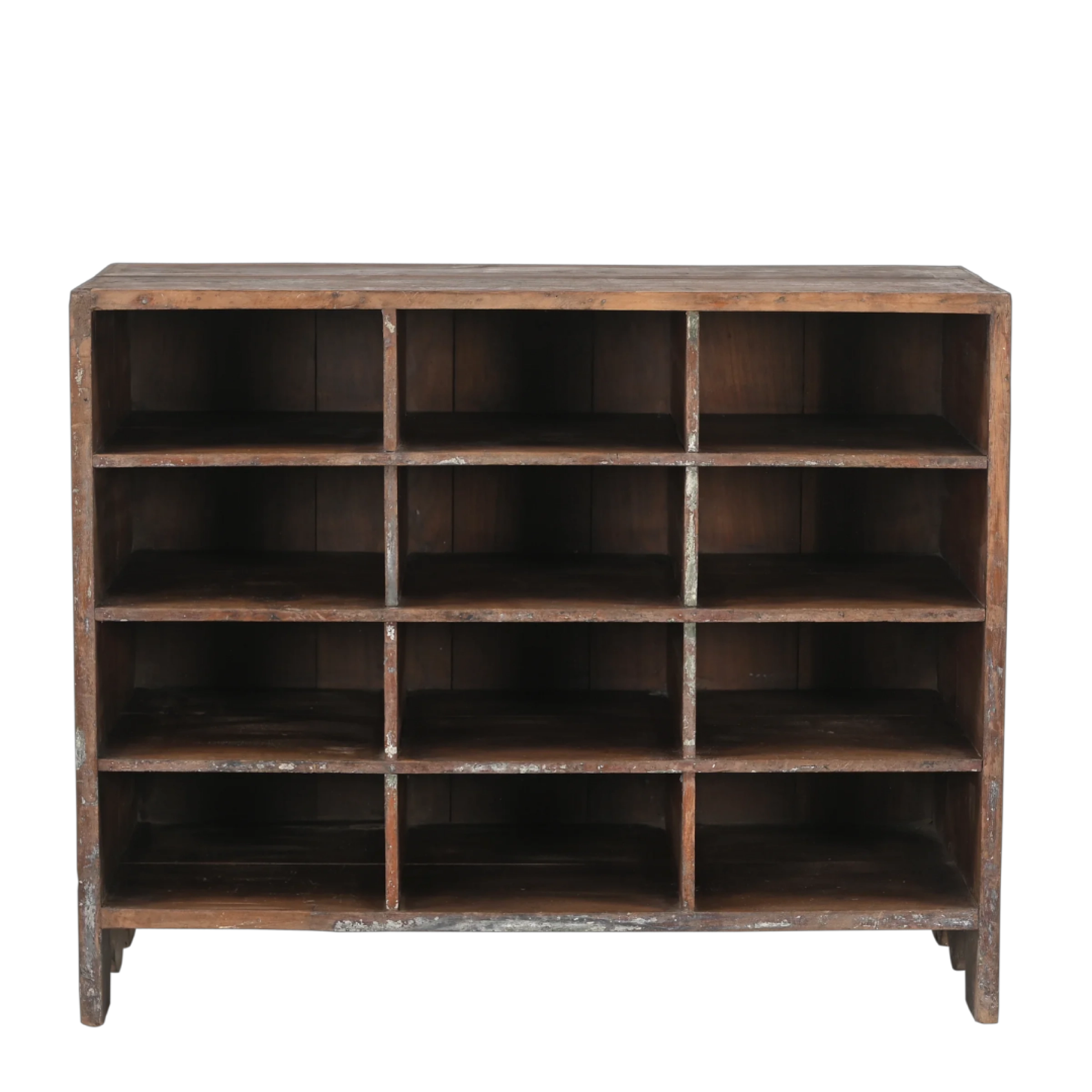
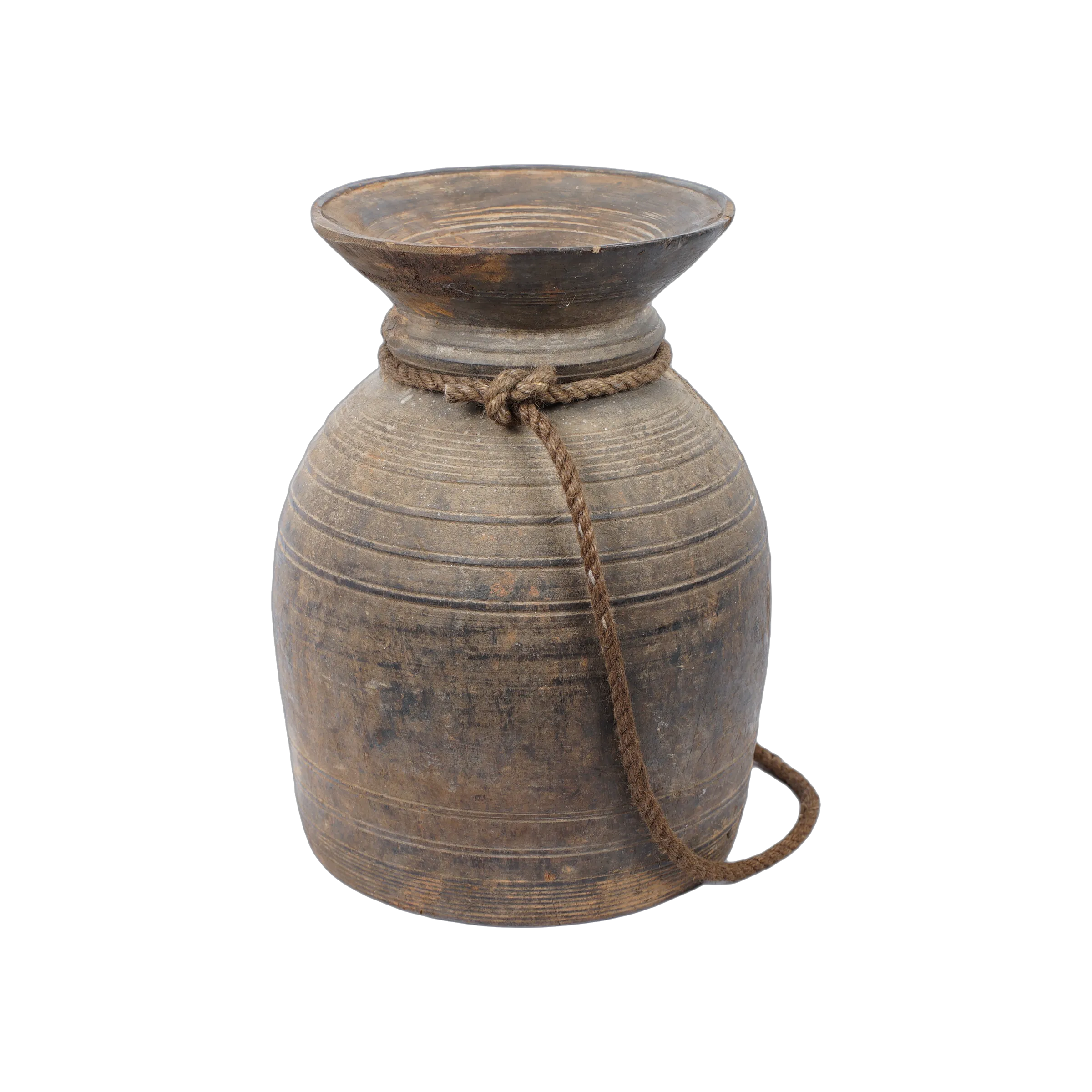
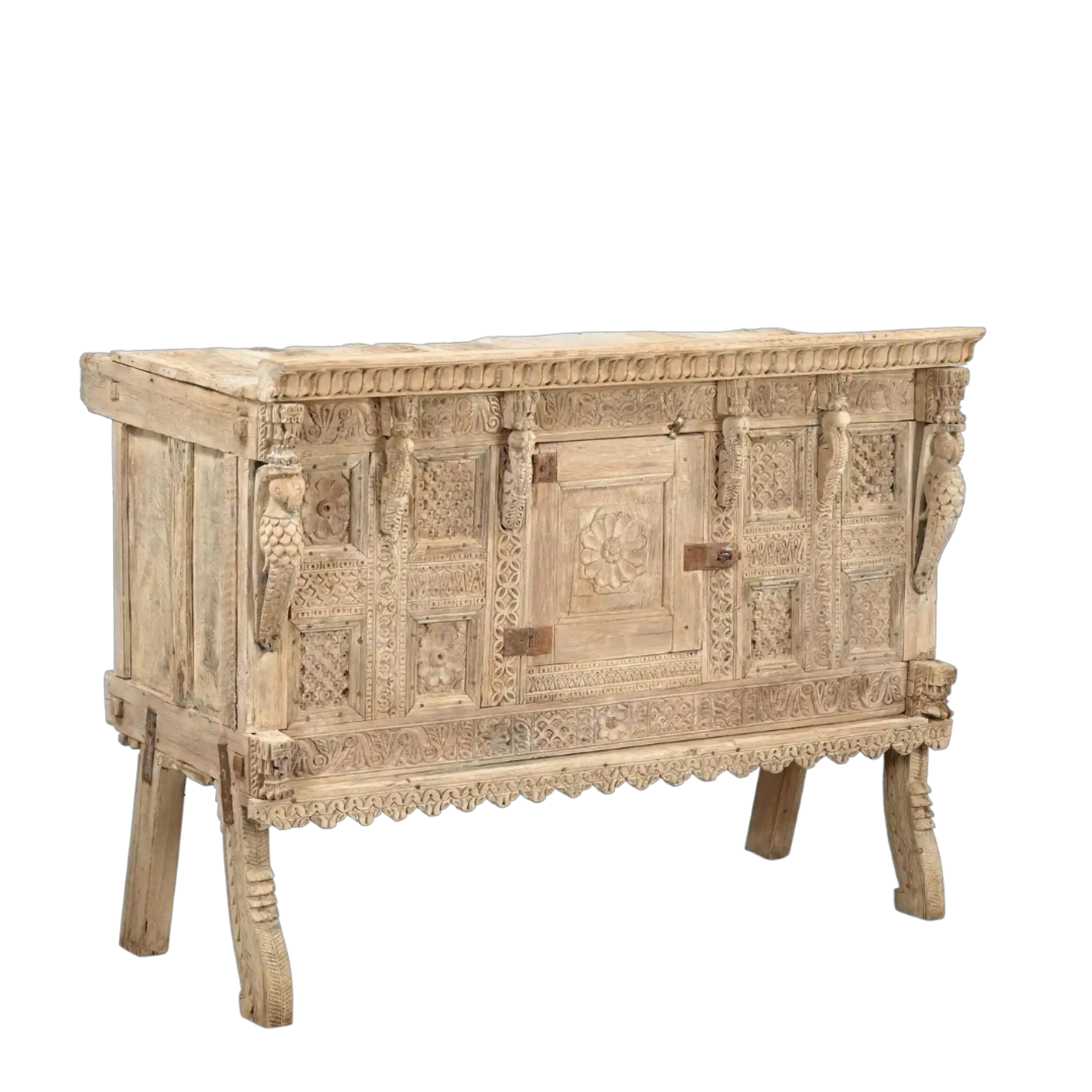
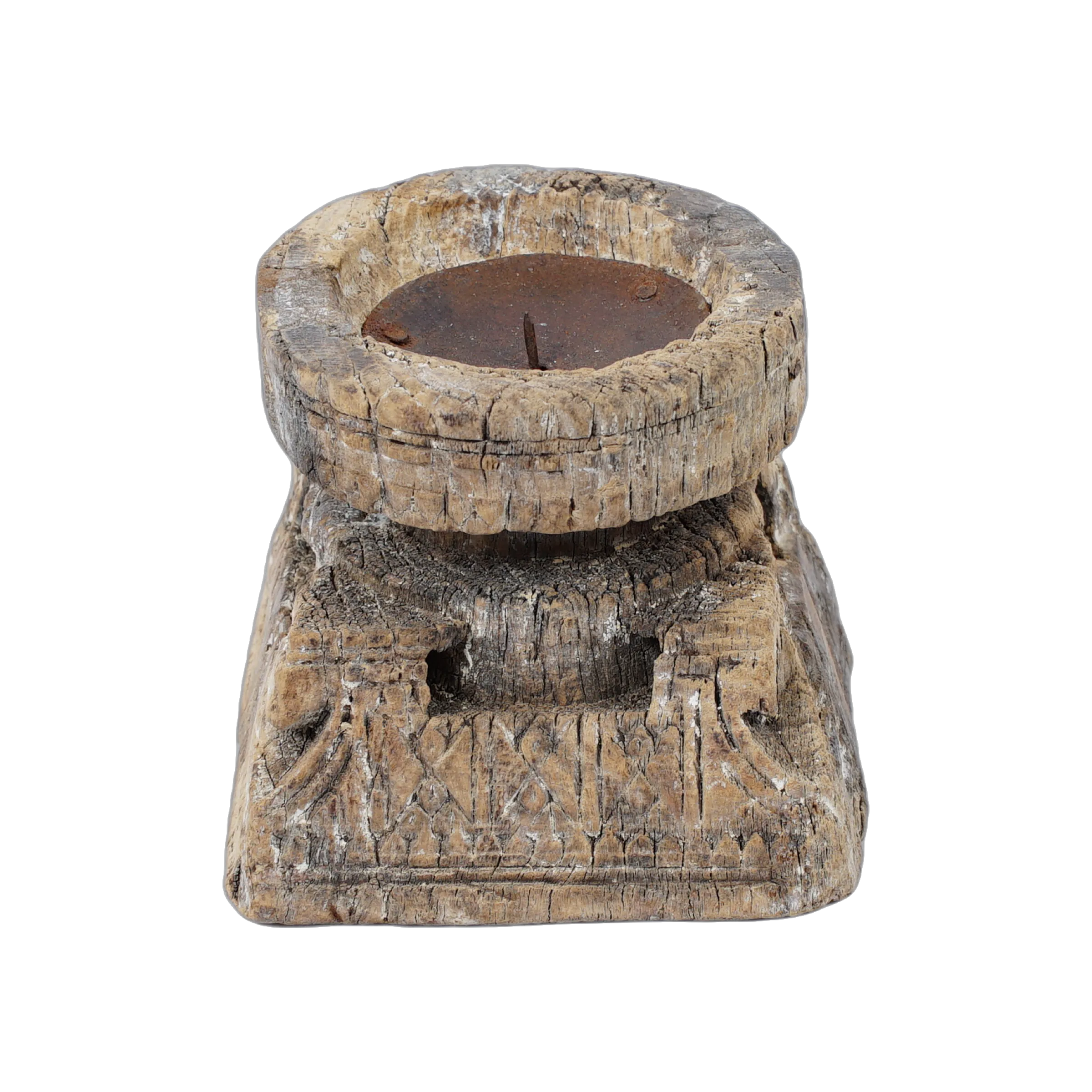
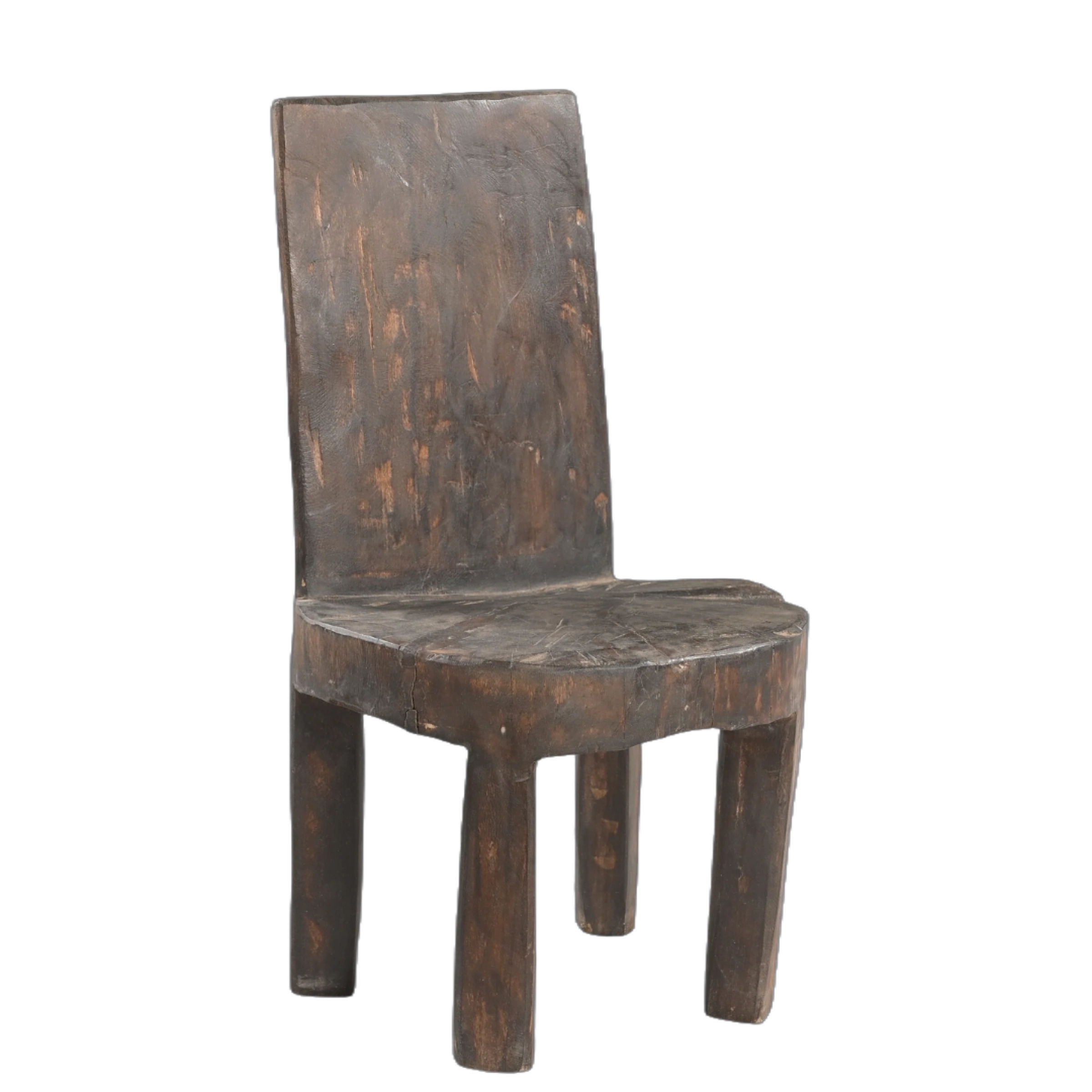
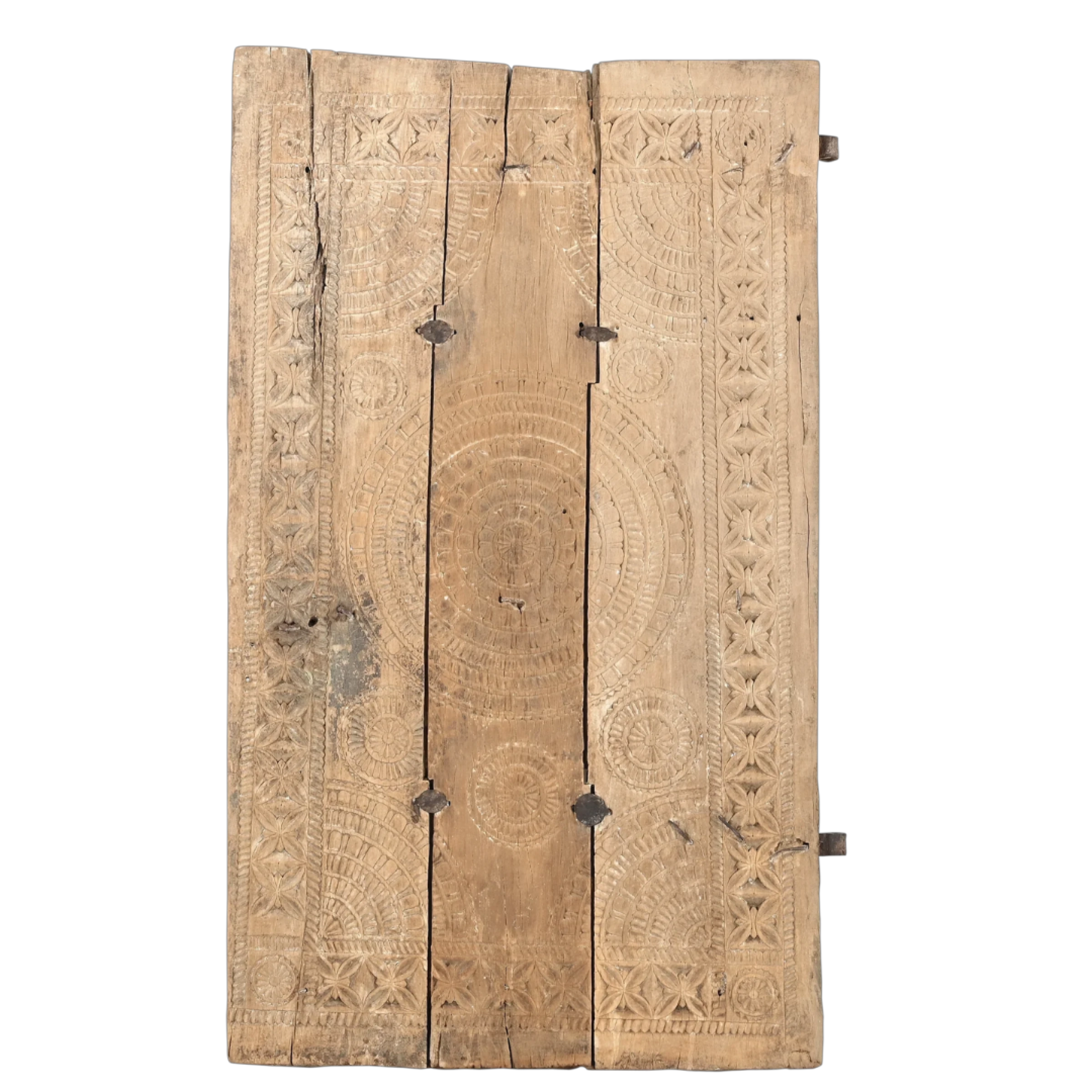

India is vast and each region has its own craft traditions.
So we travel to different parts of the country depending on what we are looking for. Some regions are particularly important to us, such as Rajasthan and Gujarat, which have a long tradition of woodworking and wood carving.
But we also like to step off the best-known routes.
For example, we go to southern India or to regions such as Nagaland and Orissa, where craftsmanship is just as rich but where tourists and foreign traders are sometimes fewer. It is often by going a little further and taking the time to explore that we make the most interesting discoveries.
Sourcing in India can take very different forms. Some suppliers have huge warehouses filled with hundreds, even thousands, of pieces. In these places, you have to take your time, look everywhere and literally “rummage”.
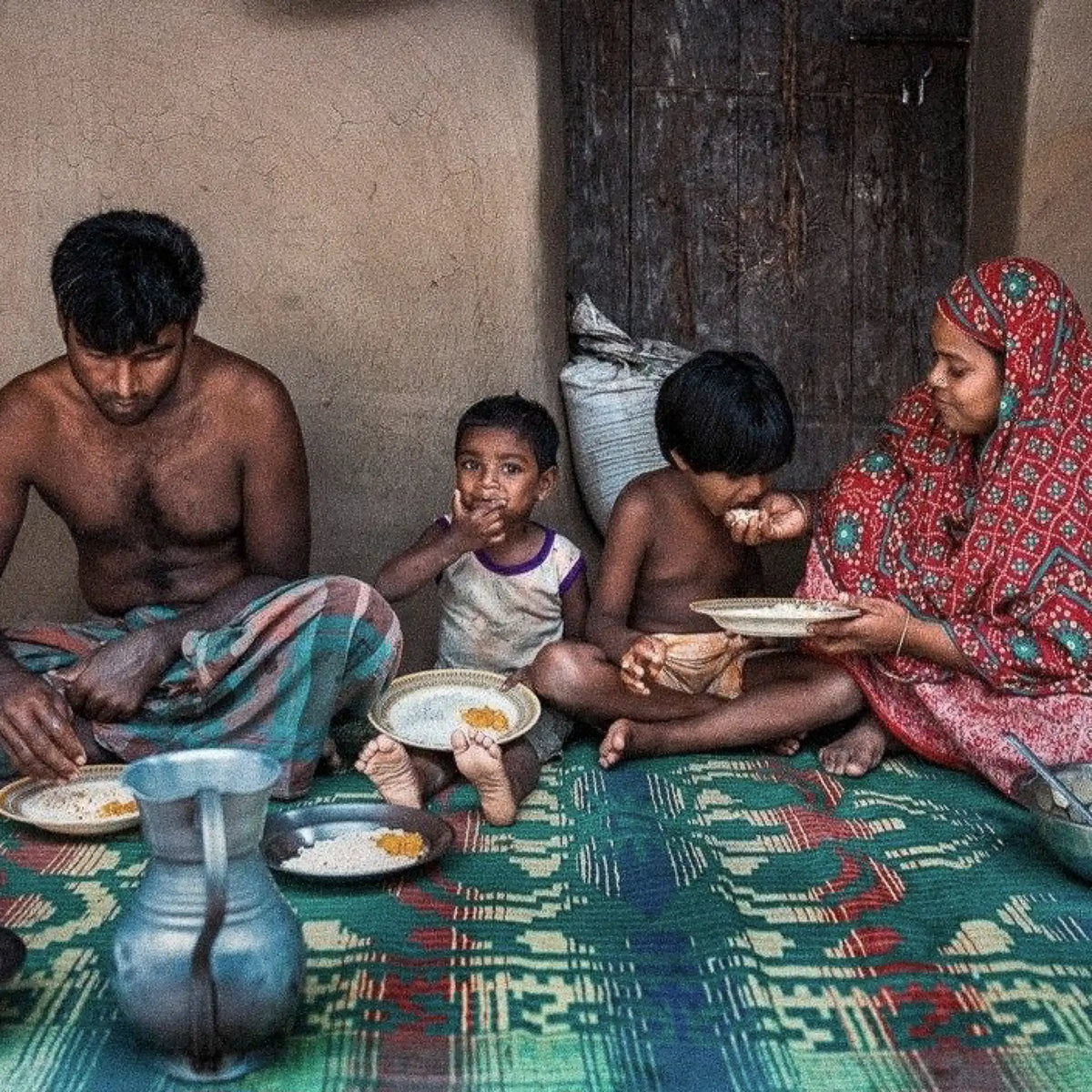
Conversely, we may also stop in front of a small workshop or a roadside stall, or meet villagers who own only a few pieces.
All of this is what makes these journeys so rich.
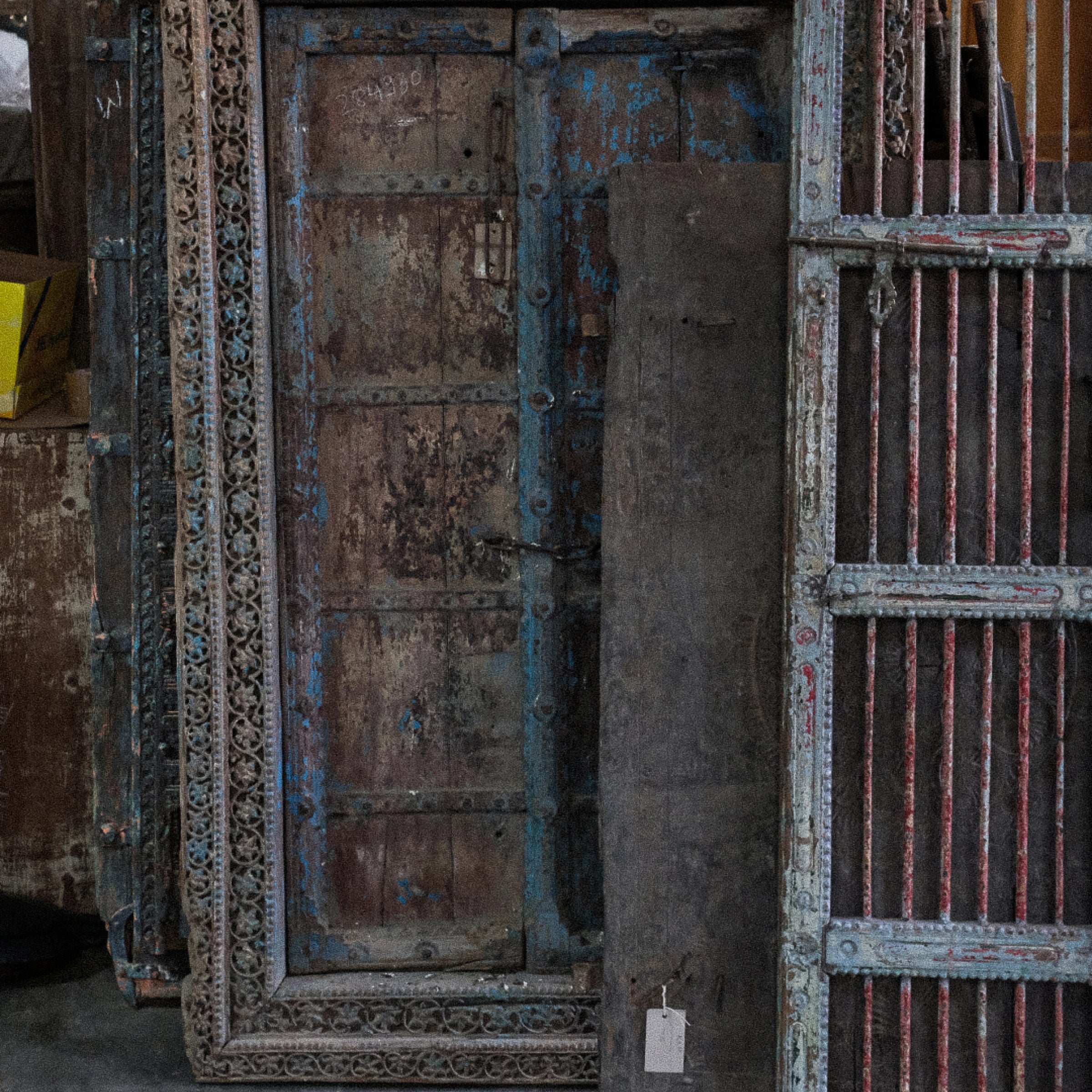
We never choose our pieces solely from photos or a catalogue.
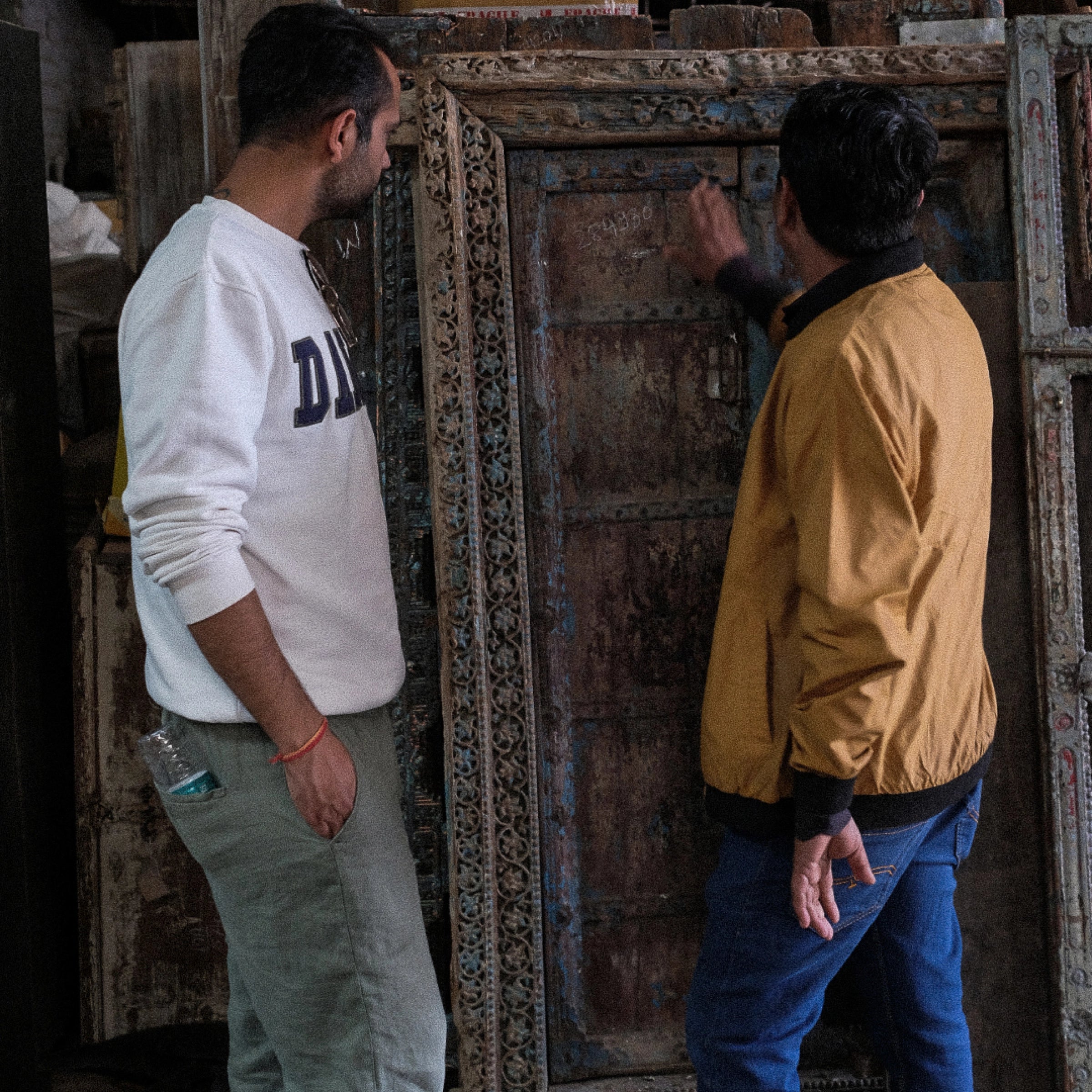
We go on site and select them one by one. We look at their general condition, the quality of the wood, any repairs, their stability, their proportions and all those small details that tell us whether a piece deserves to be brought back.
We also try to understand its history and its age.
When we launched Orpaï, we spent several weeks on site simply visiting workshops, meeting suppliers and understanding the different possibilities open to us. Little by little, some of these encounters became relationships of trust.
Our address book also continues to grow with every trip.










For us, sourcing abroad also involves a responsibility.
Orpaï's aim is to introduce you to craftsmanship from elsewhere, but not to take part in depleting the heritage of the countries in which we work.
For example, pieces over 100 years old are protected by local regulations and cannot be exported.
This is an essential point for us: loving a country's craftsmanship also means respecting its history.
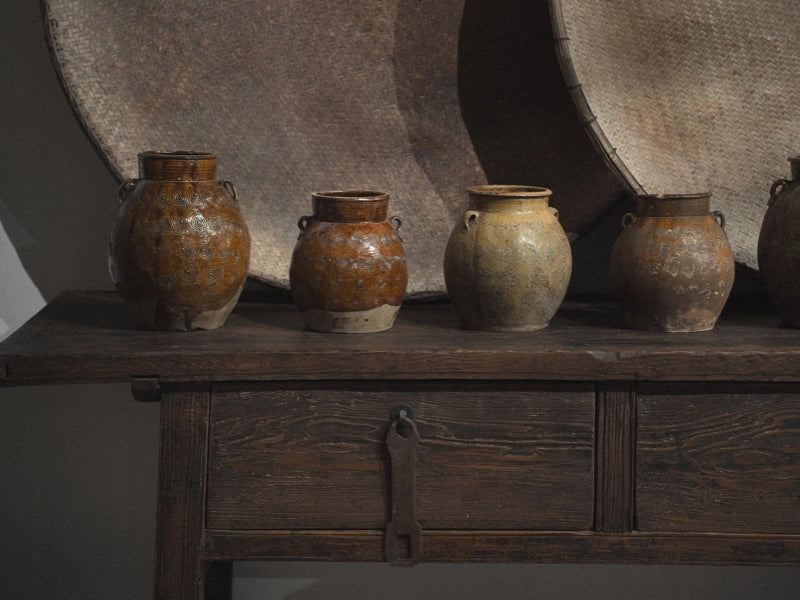
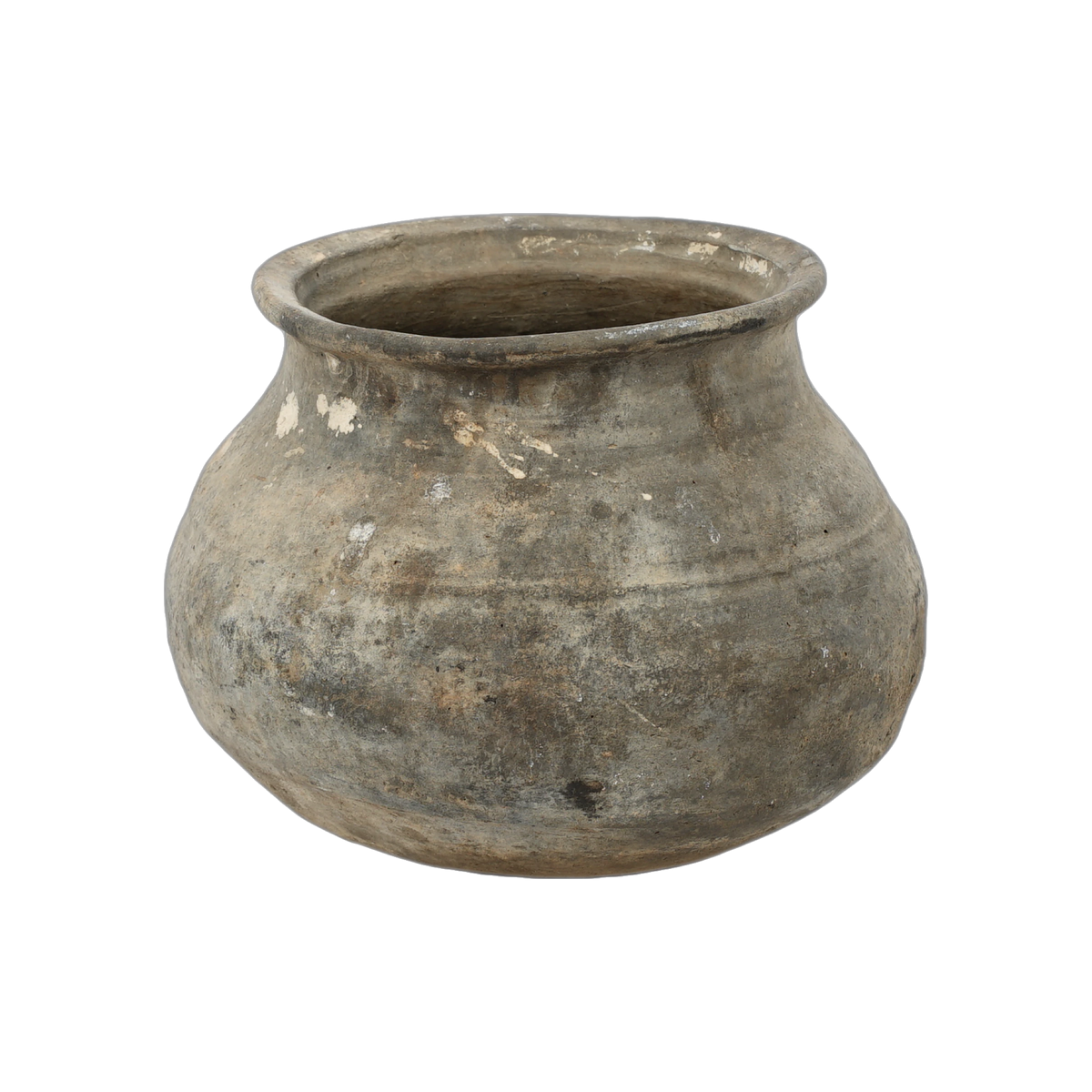
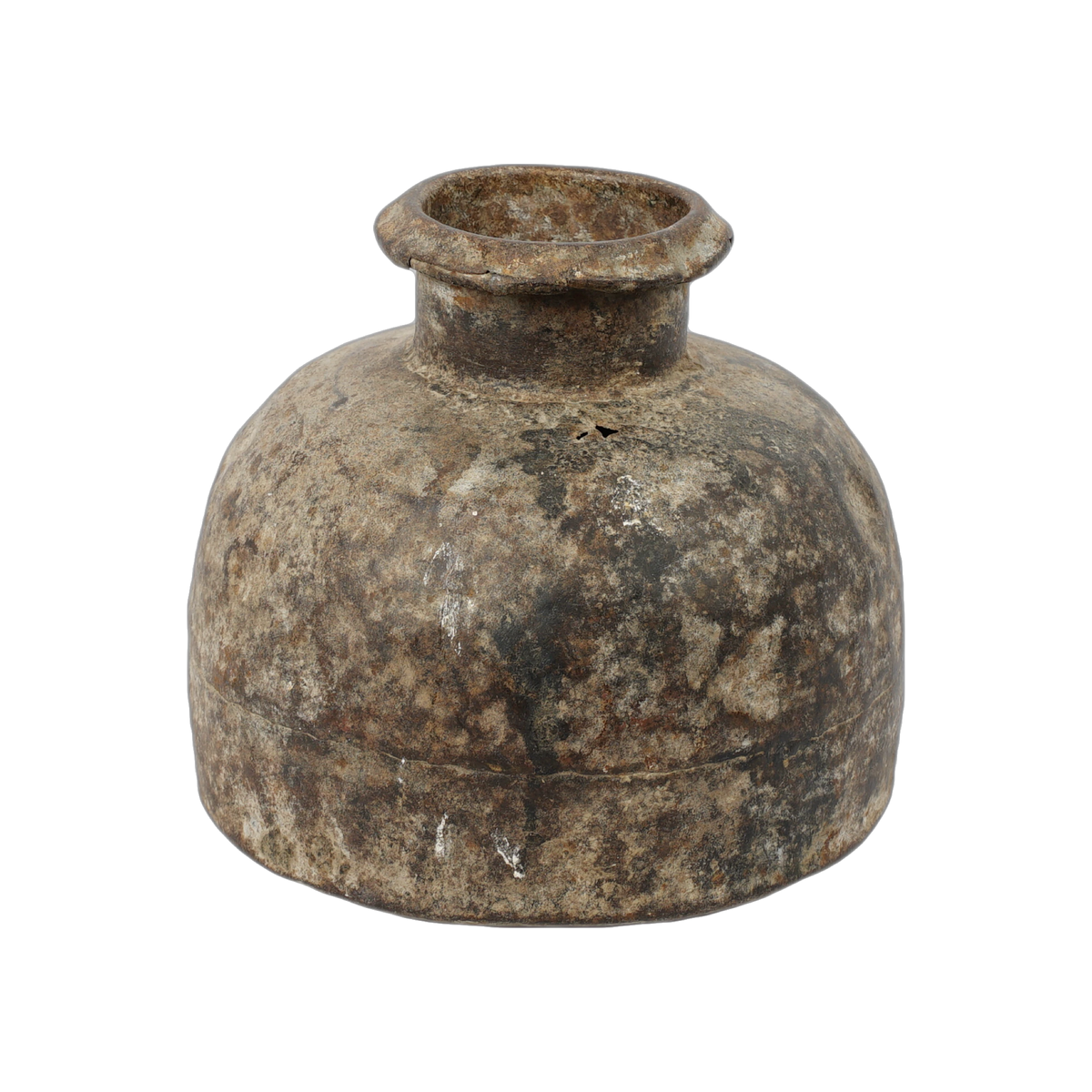
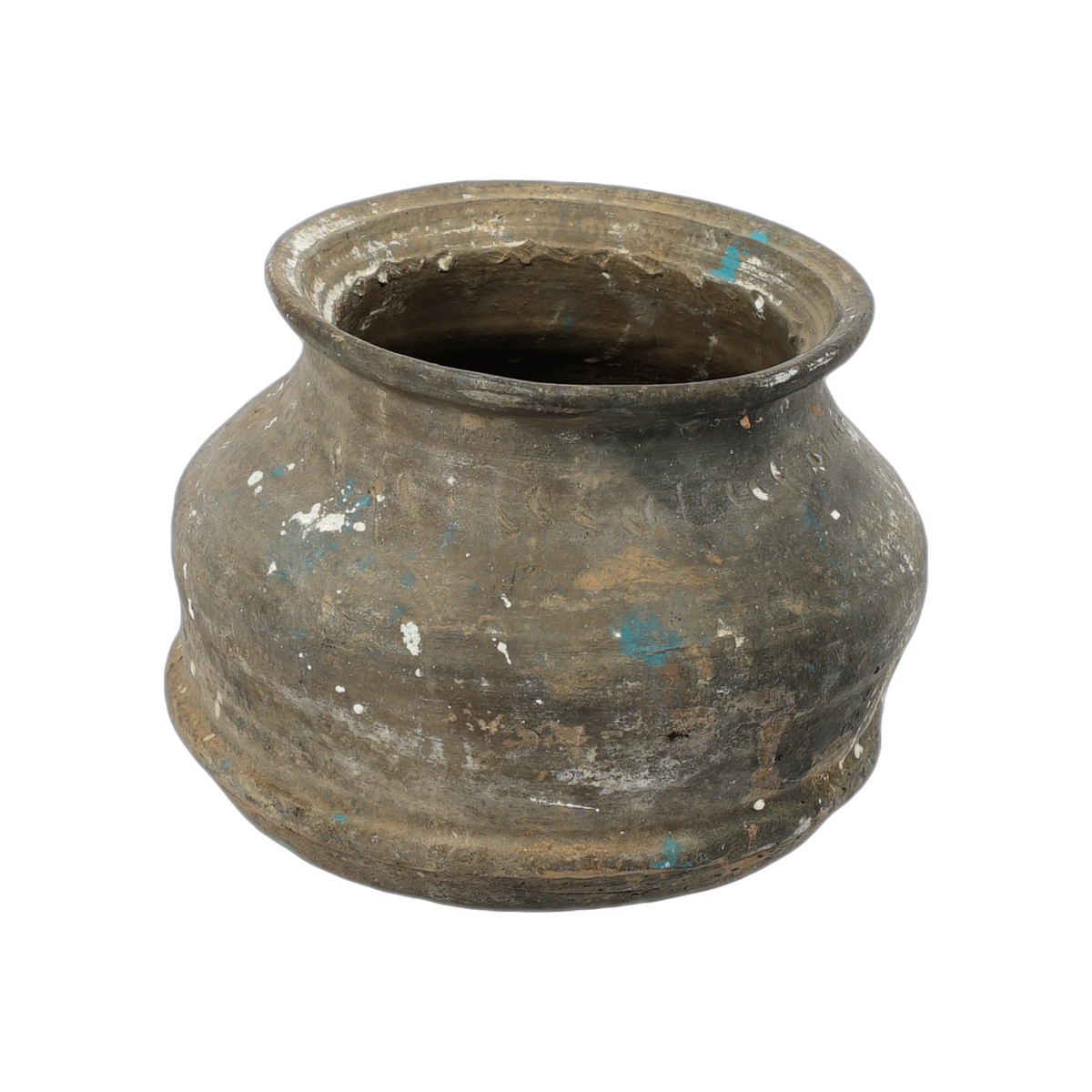
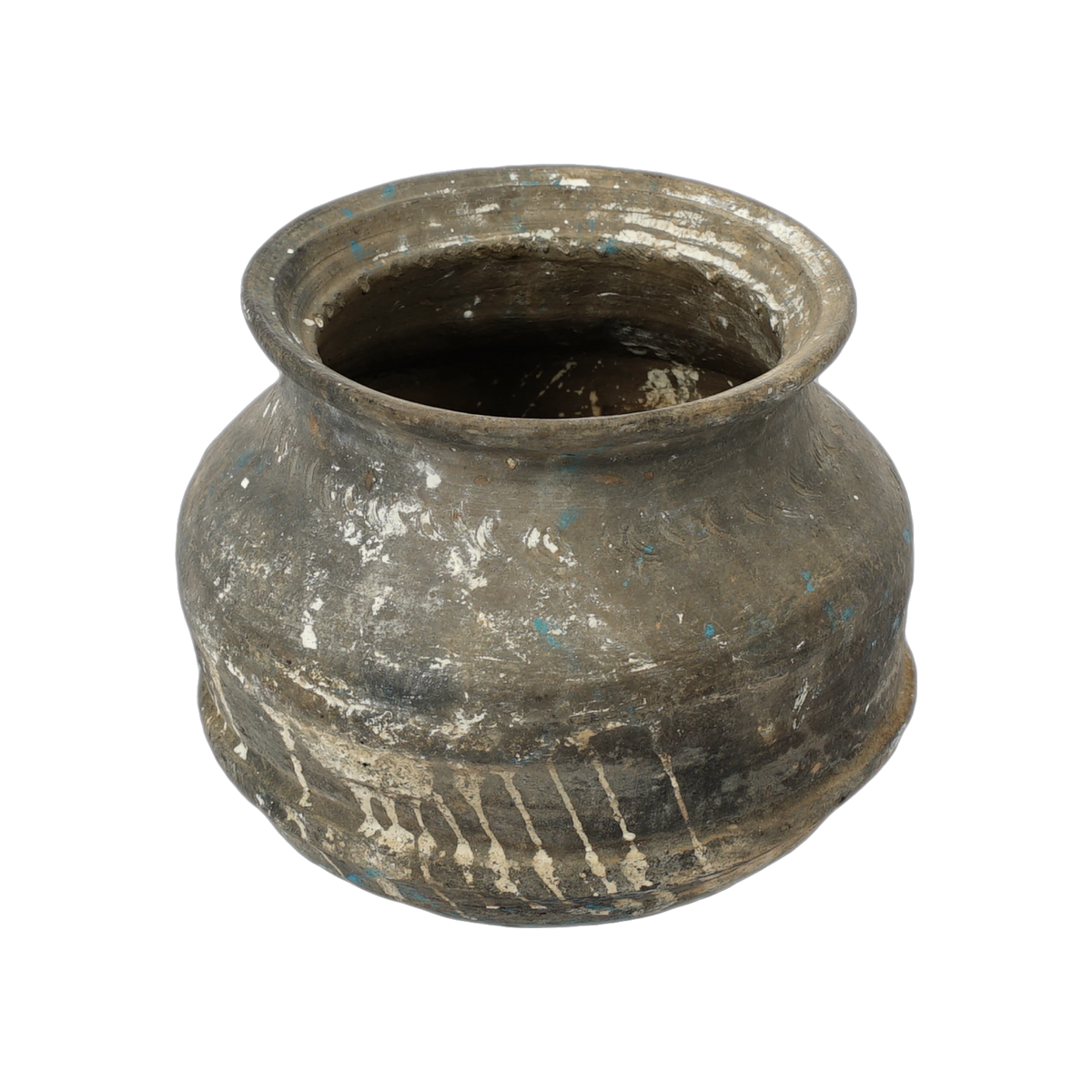
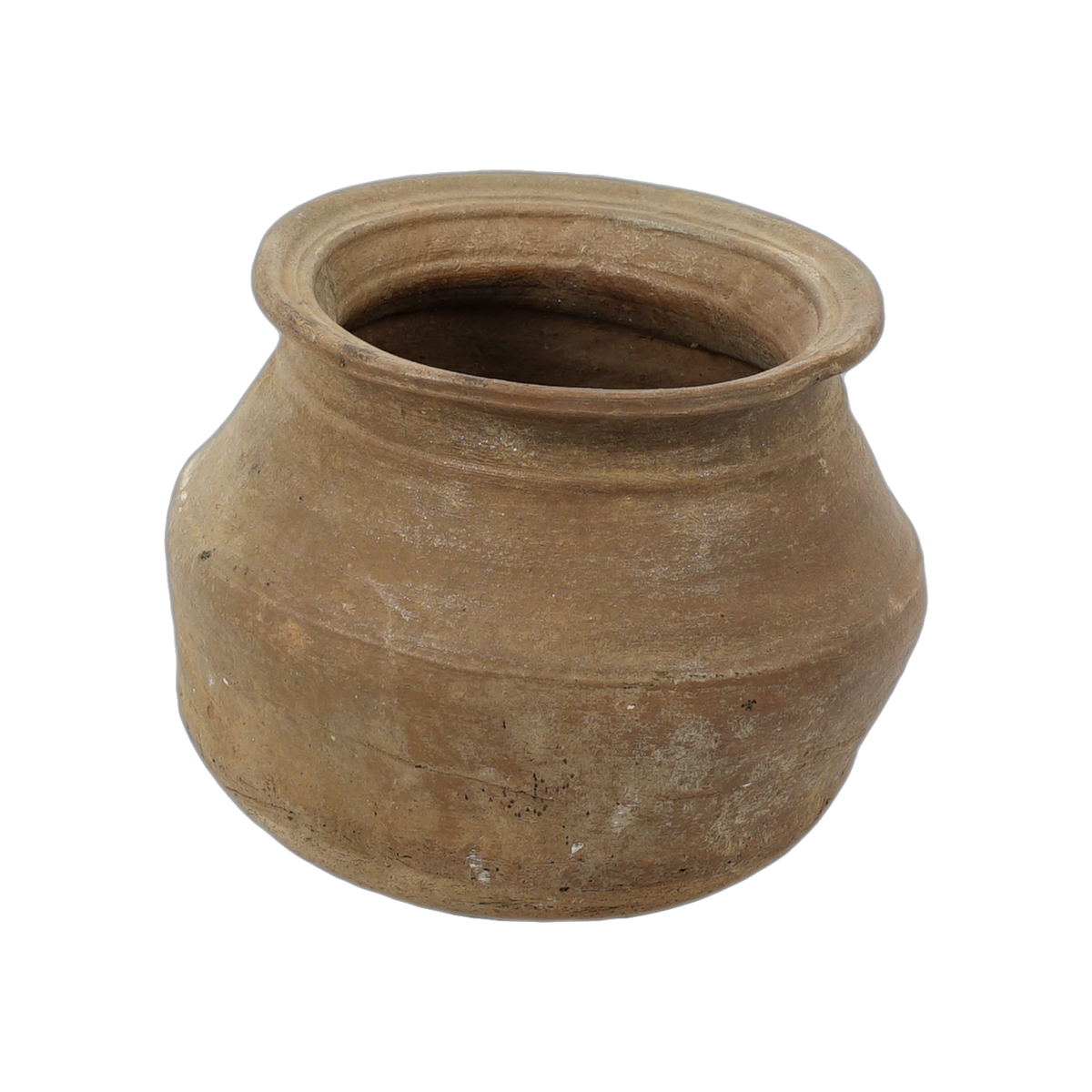
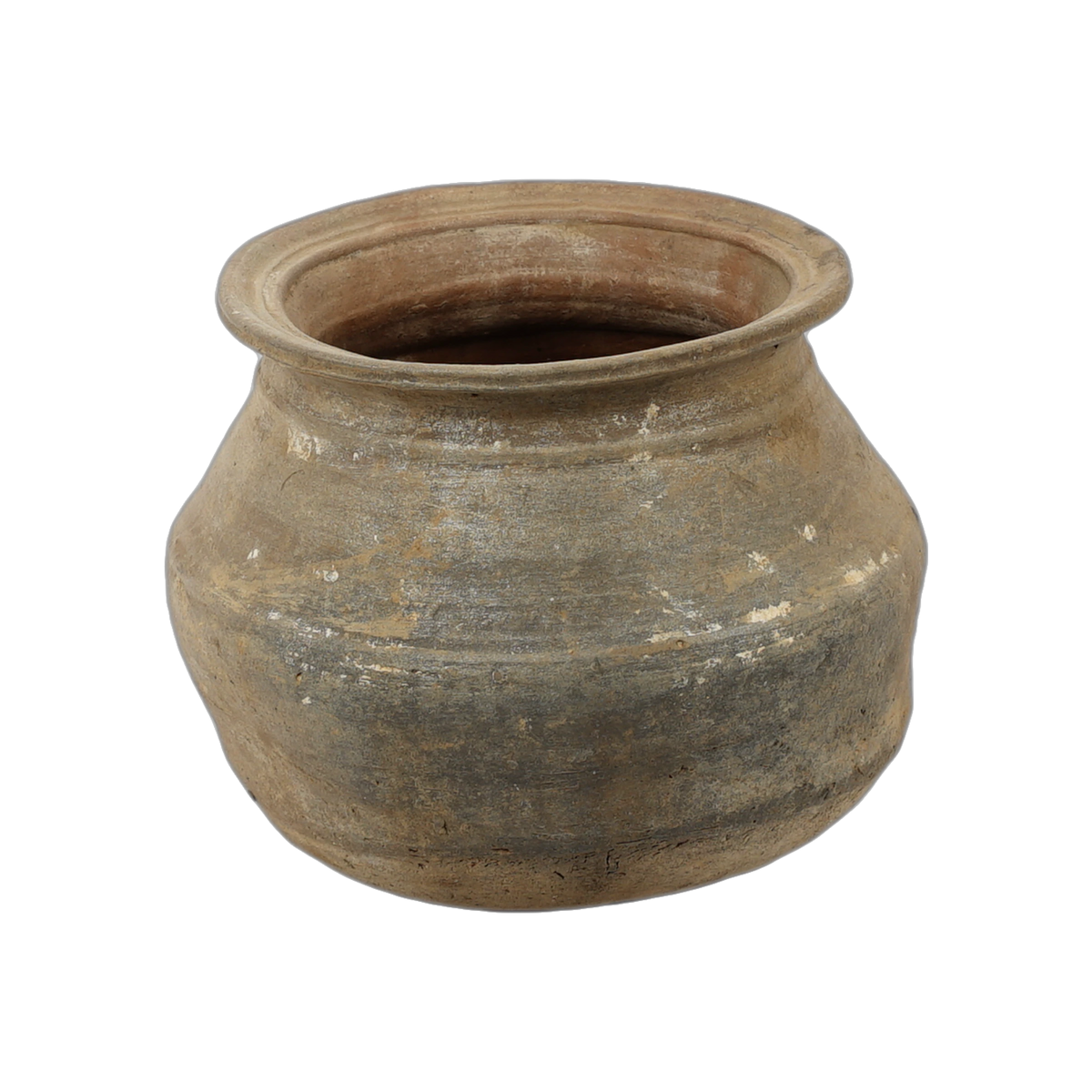
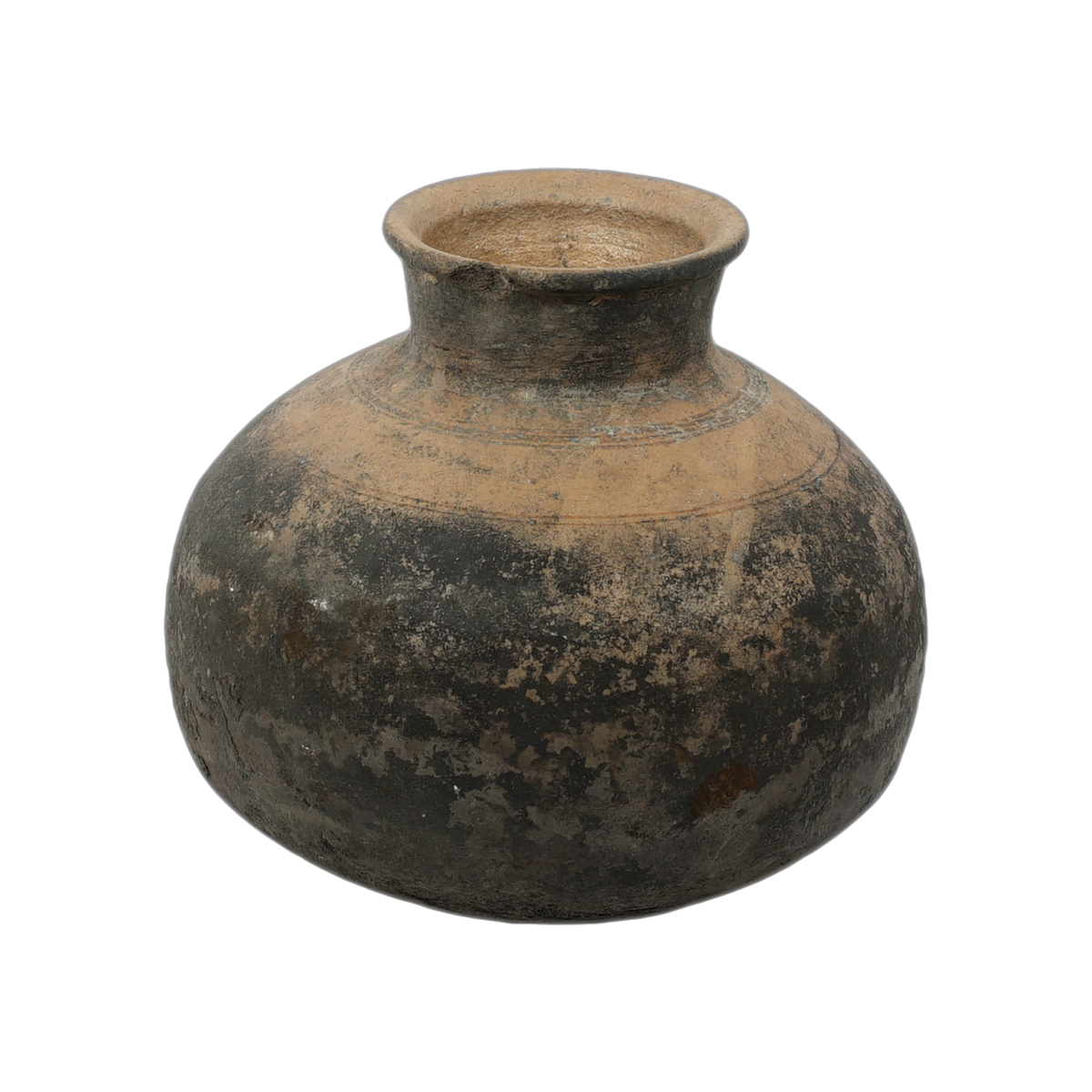
In India, we also notice some surprising influences. On pottery in particular, you can sometimes find shapes or decorations that are more reminiscent of China or other regions of Asia. Hardly surprising when you think of the centuries of commercial and cultural exchange between these territories.
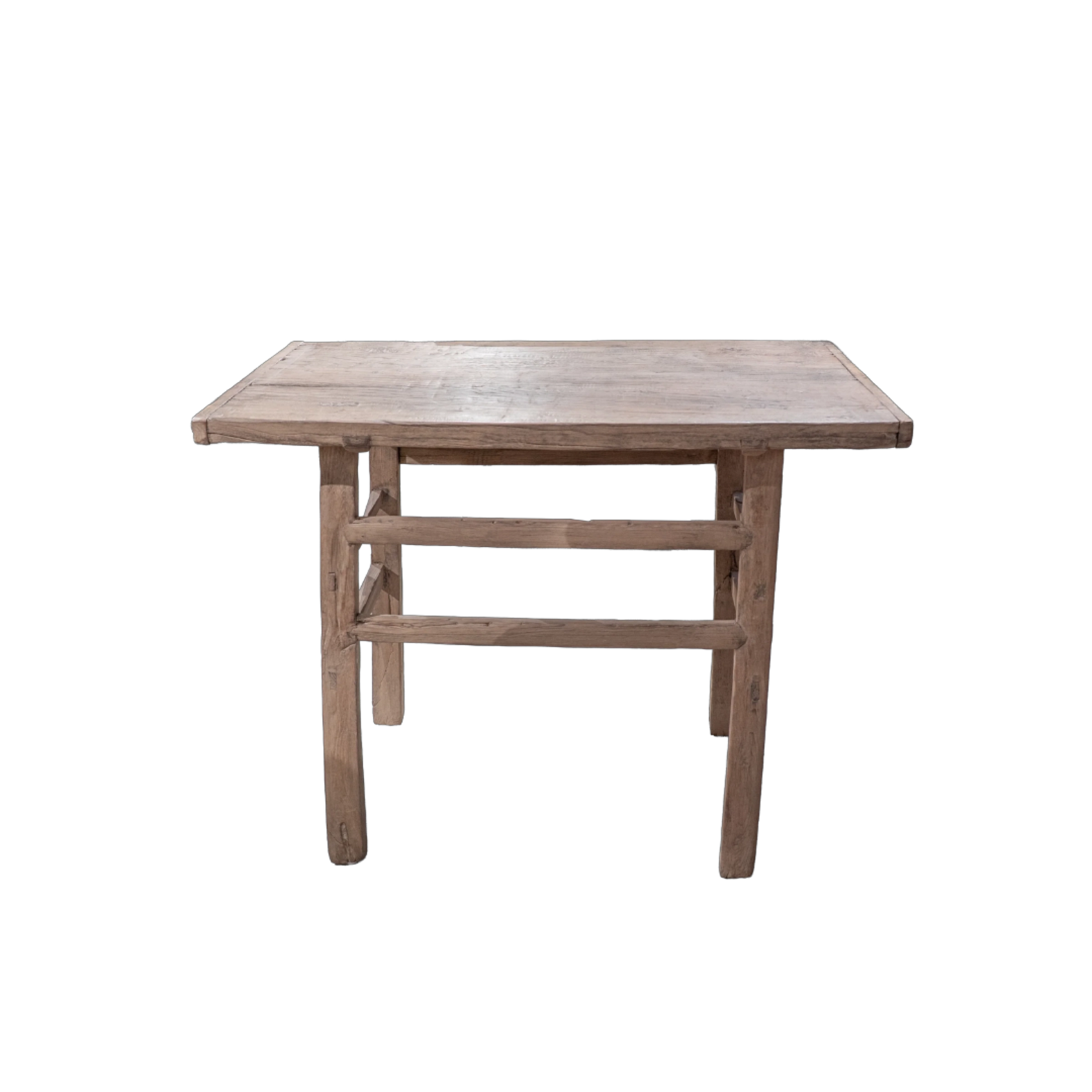
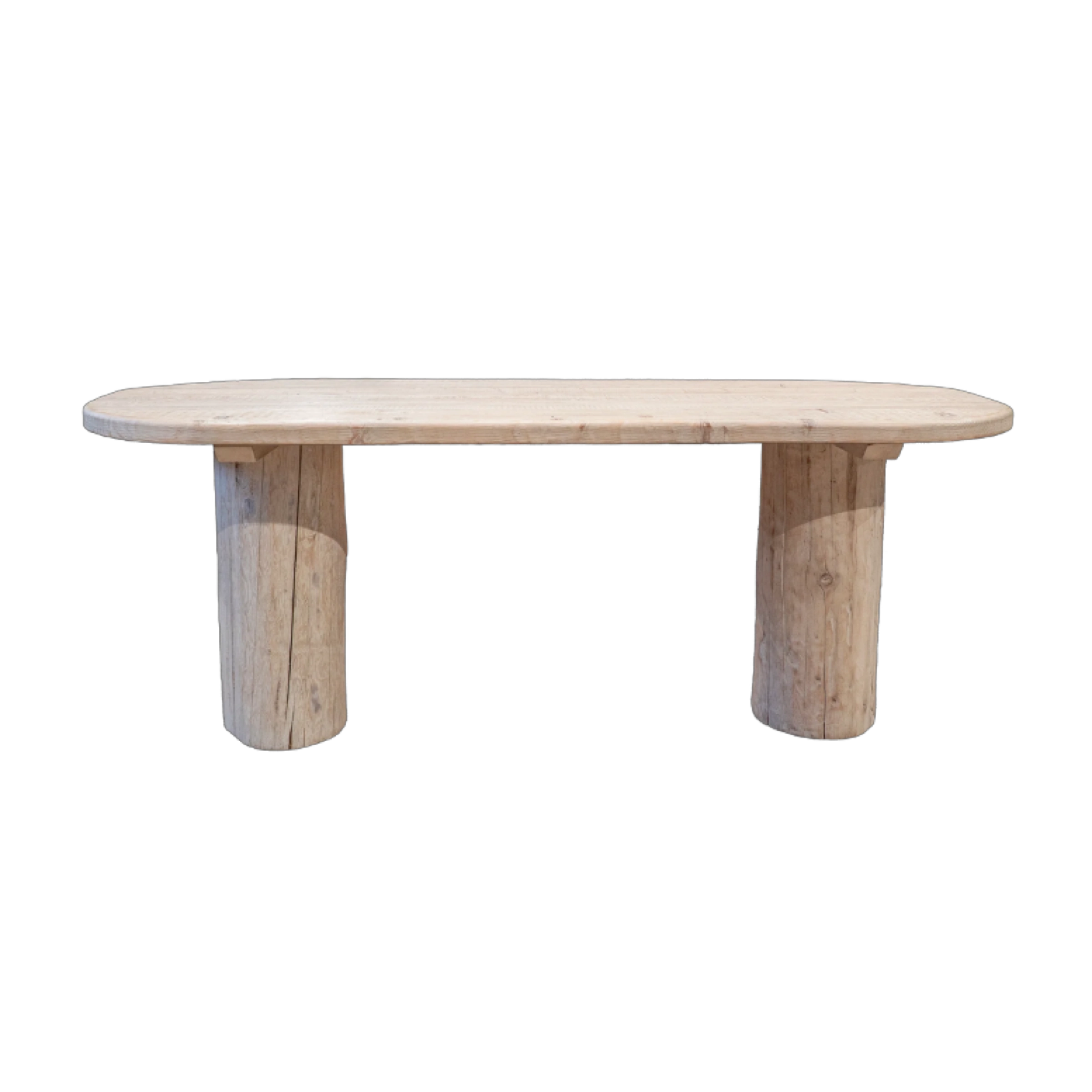
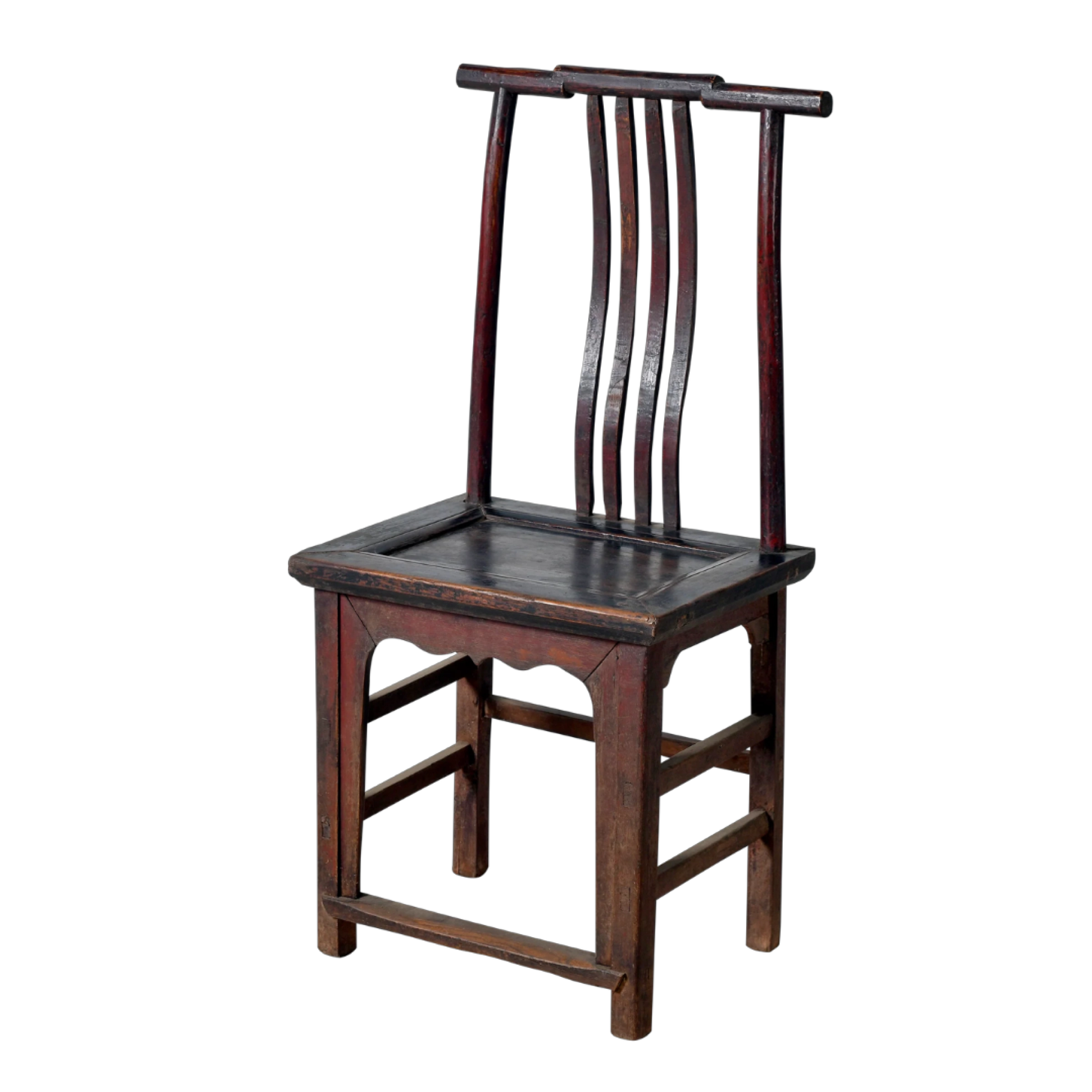
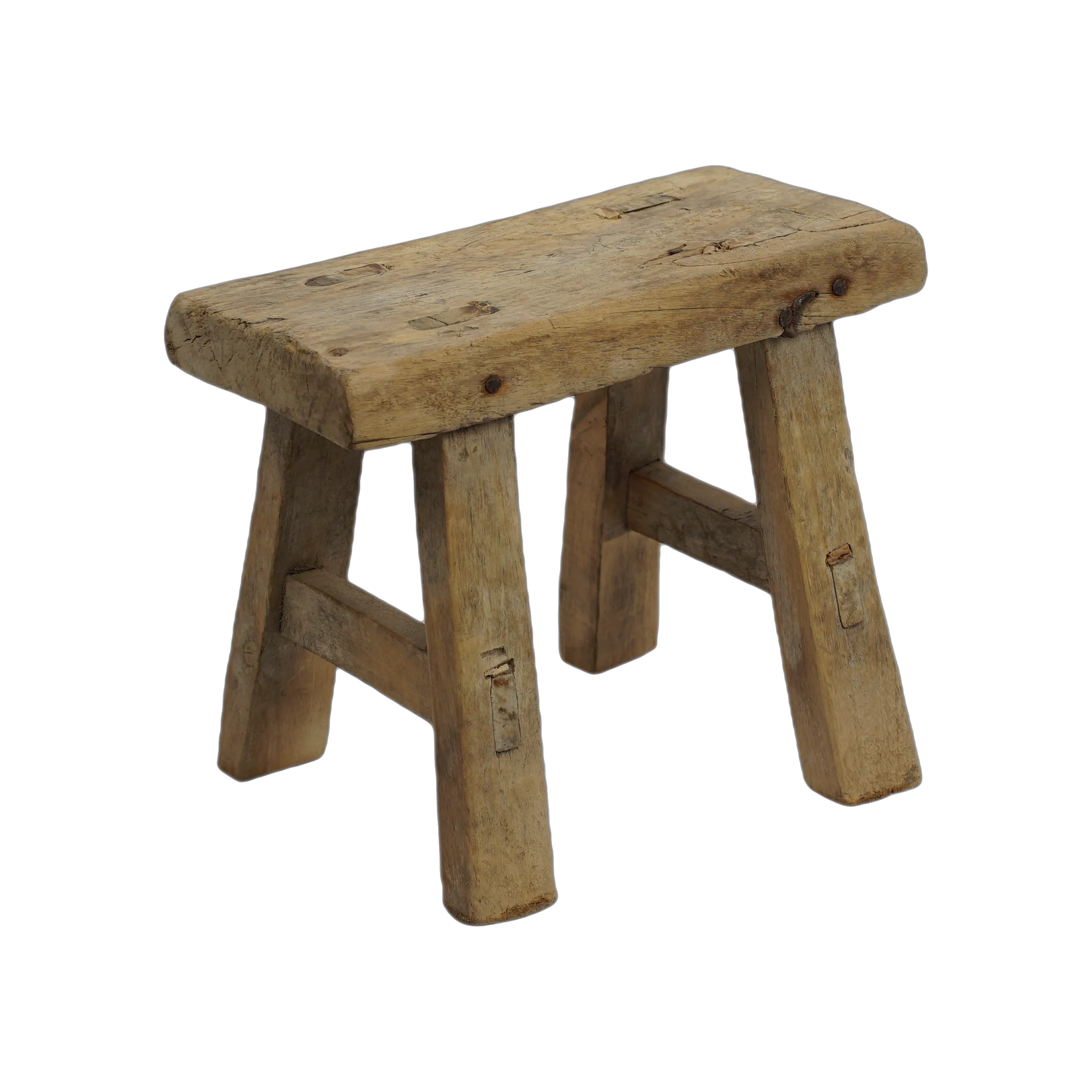
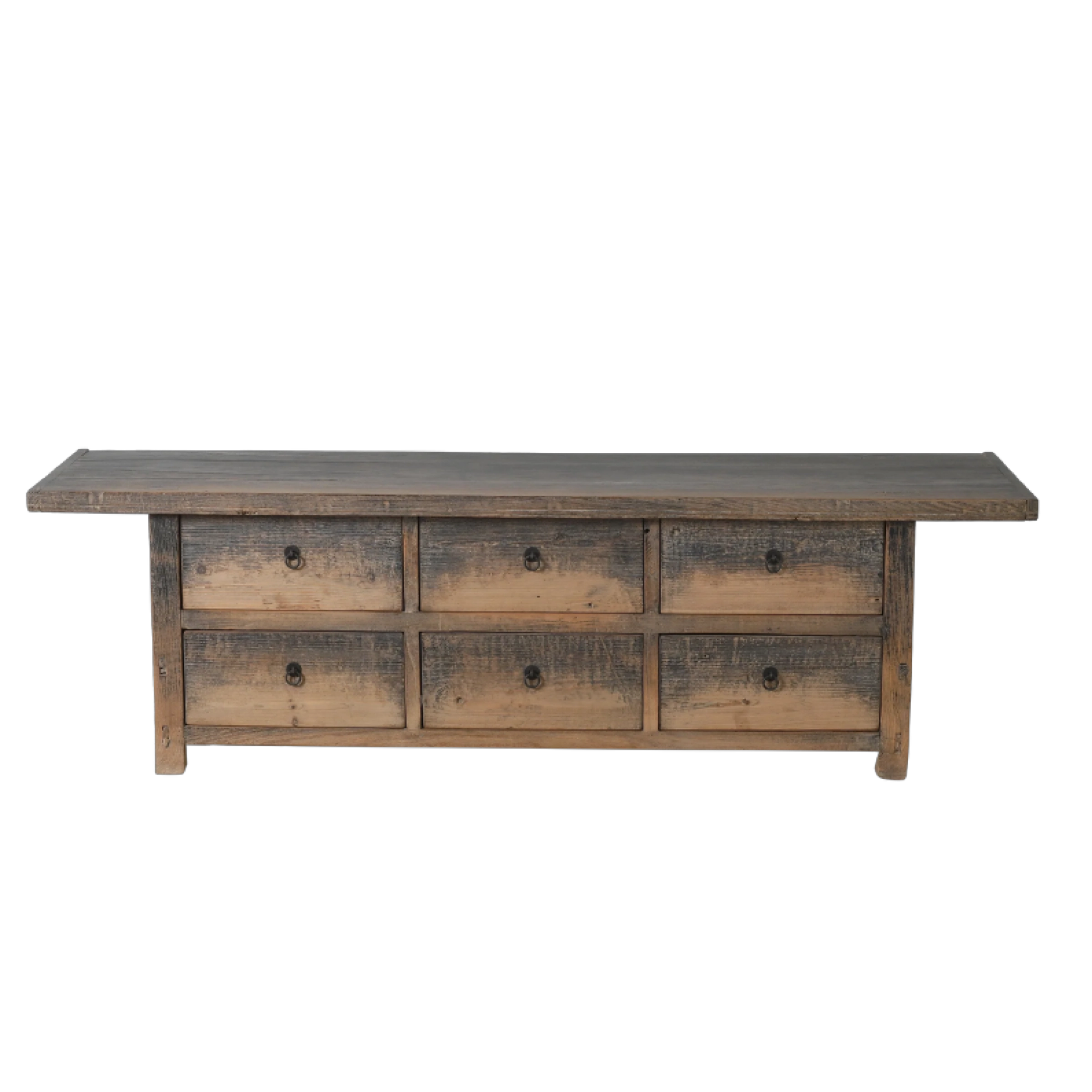
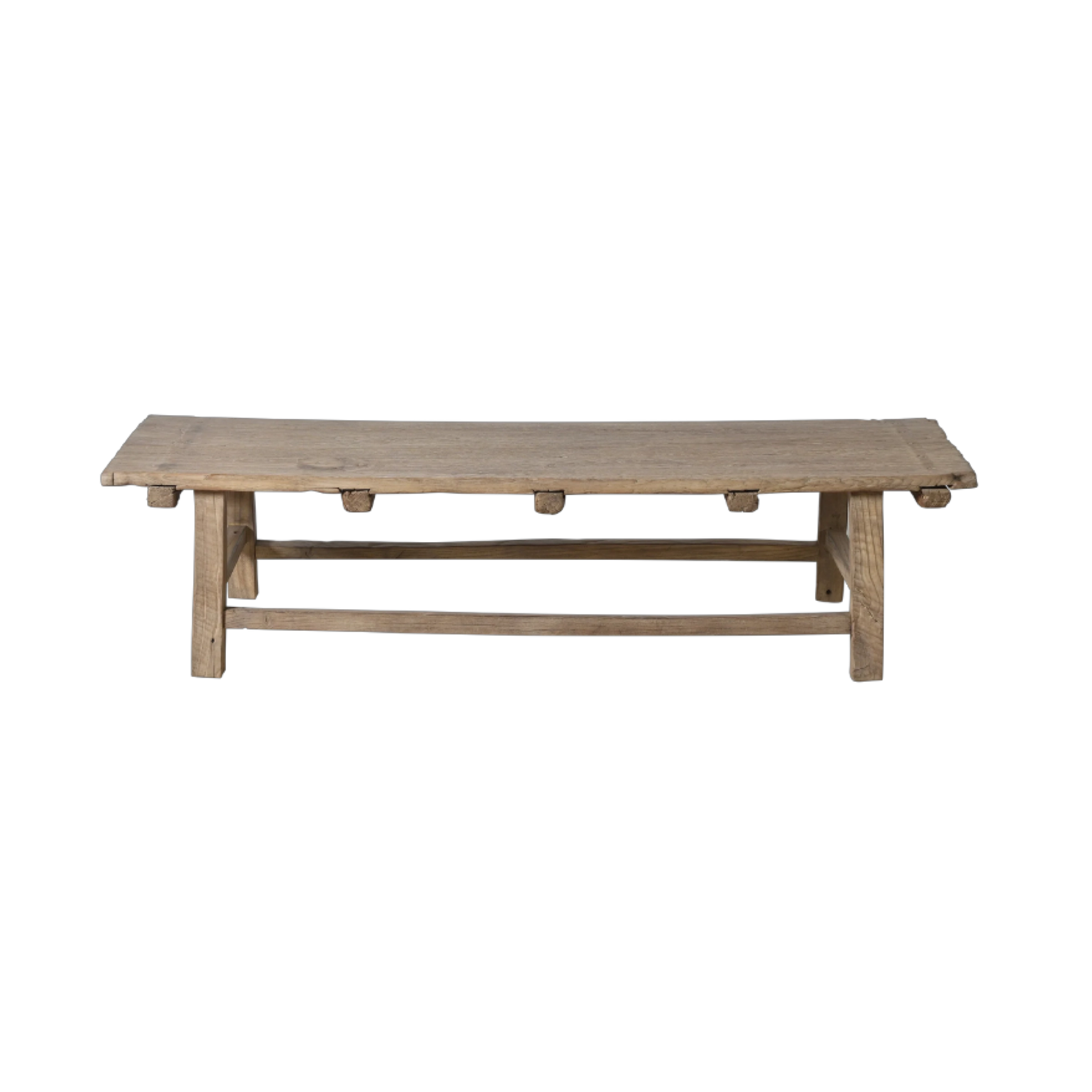
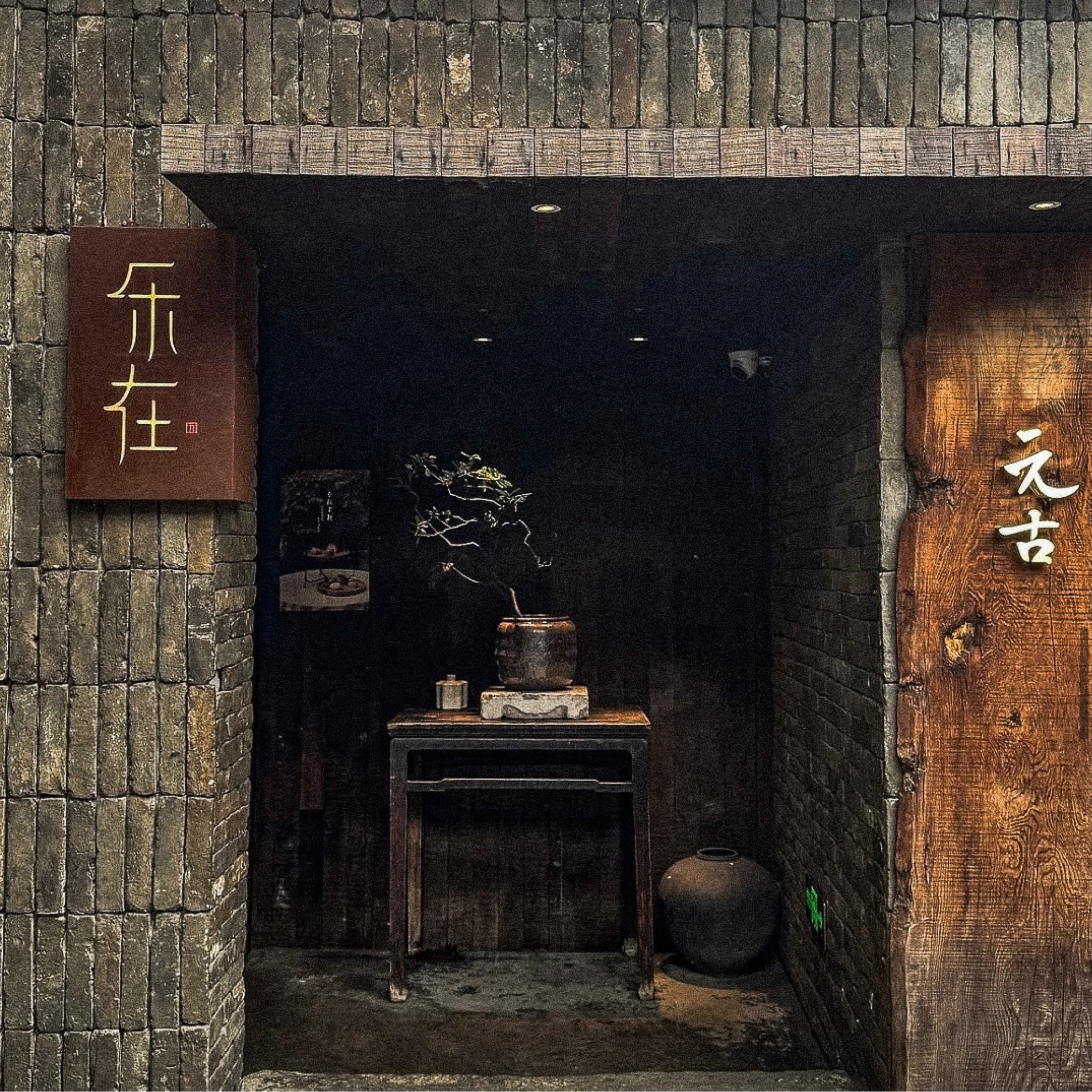
We added China to our sourcing destinations with a specific aim: to offer you old furniture with more understated, cleaner lines.
The woodworking skills of Chinese craftsmen are remarkable, but finding the right pieces once again takes a great deal of searching.
As in India, we may visit very large warehouses but also much smaller markets. The difficulty is different: today there are a huge number of reproductions, so you have to be particularly careful when looking for genuinely old furniture.
Over the course of our trips and many conversations, we have developed relationships with recognised and trusted suppliers.
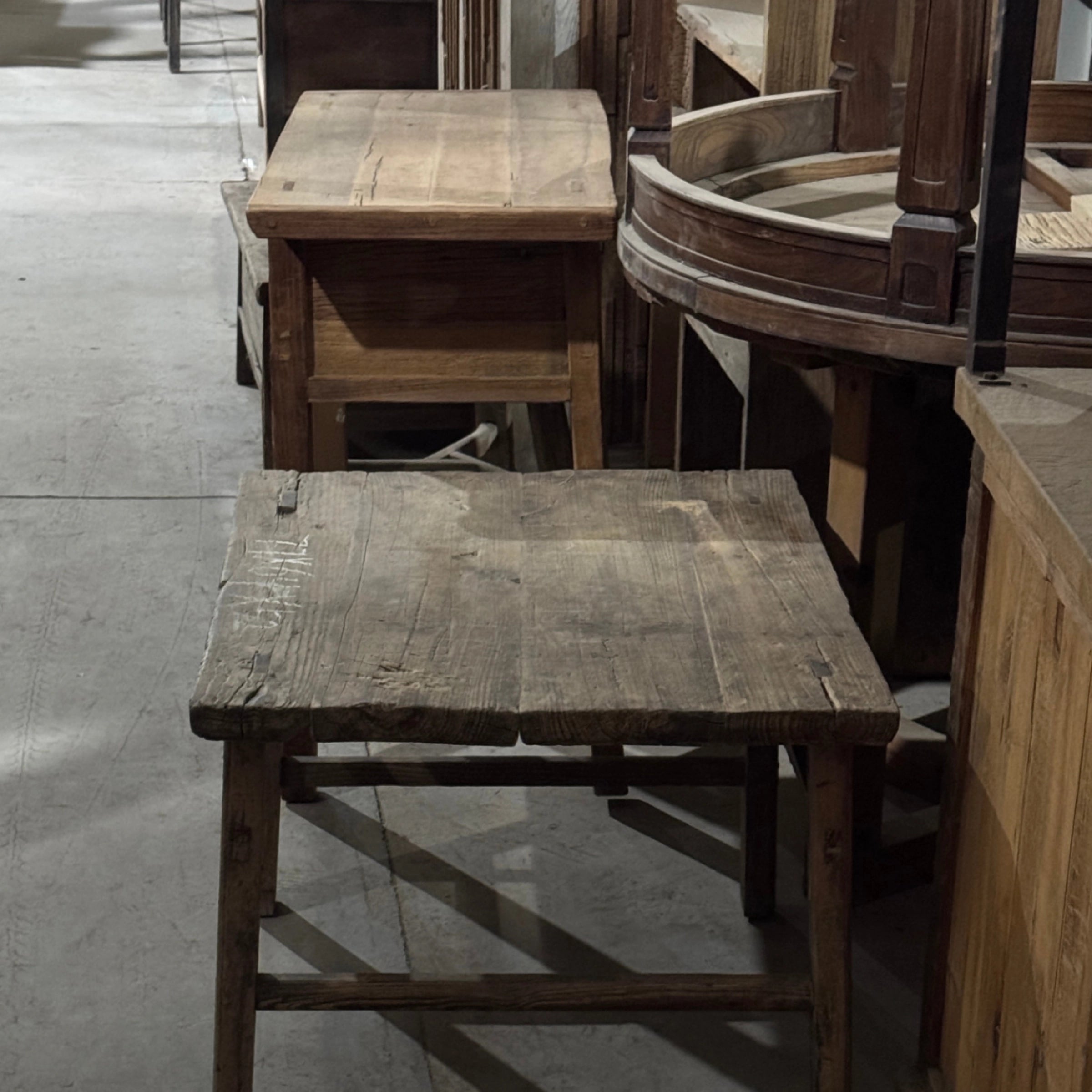
We have also naturally turned towards folk furniture: furniture that was once used in homes and in everyday life.
These are often fairly simple pieces, with balanced proportions, that still bear the marks of their past use.
And that is exactly what we love. Slightly marked wood, an uneven patina or an old repair are not necessarily flaws. They are also signs of a past life and what makes each piece of furniture different from the next.
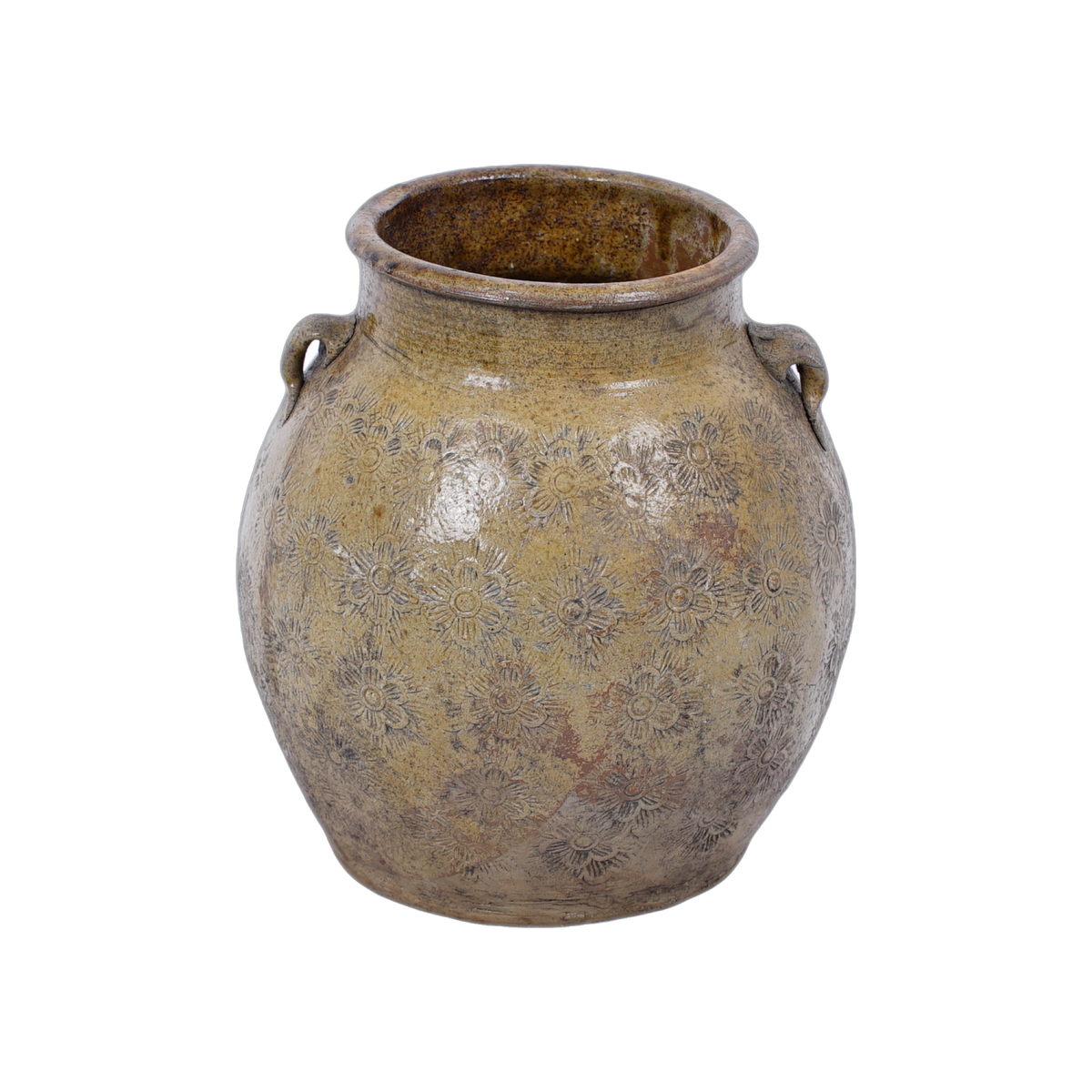
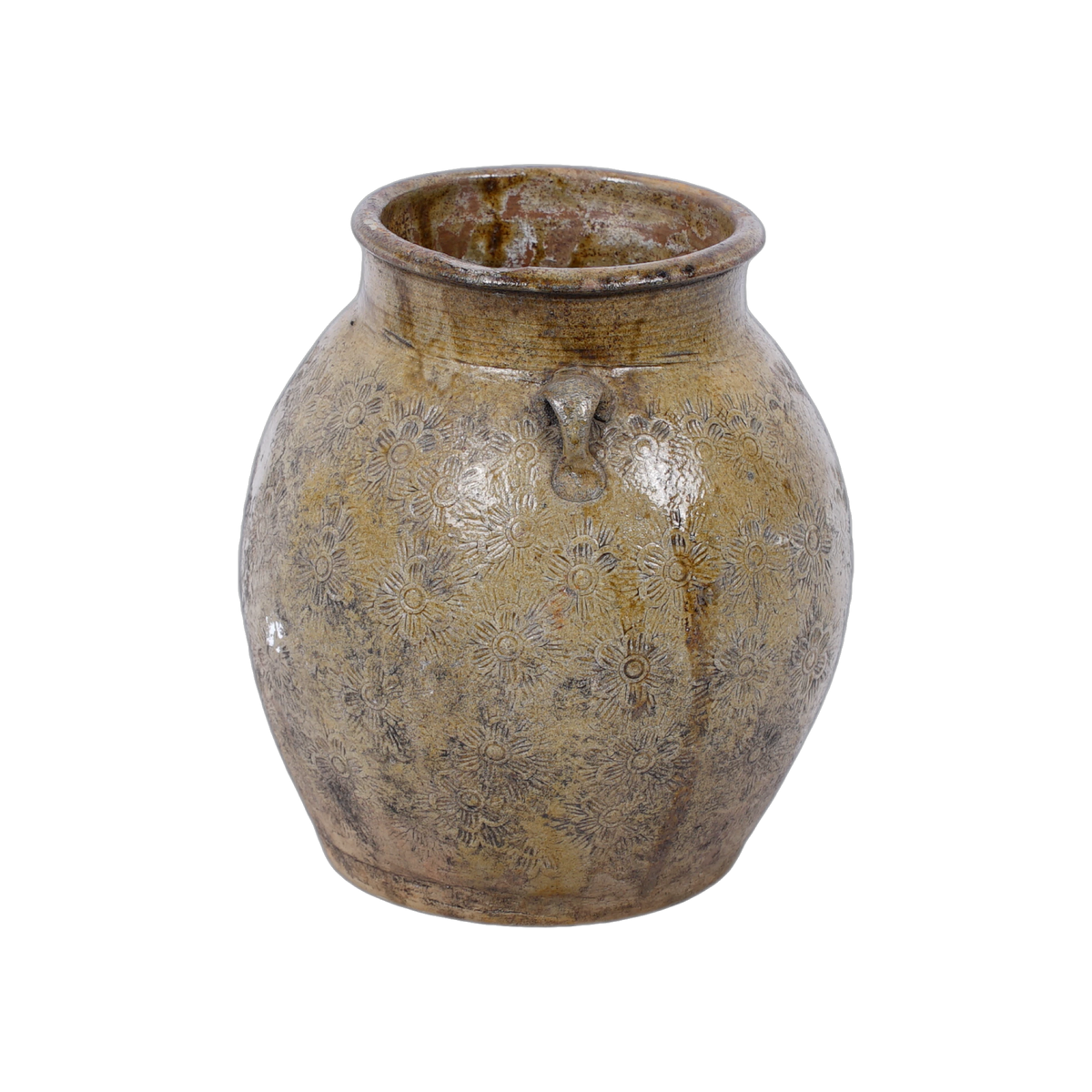

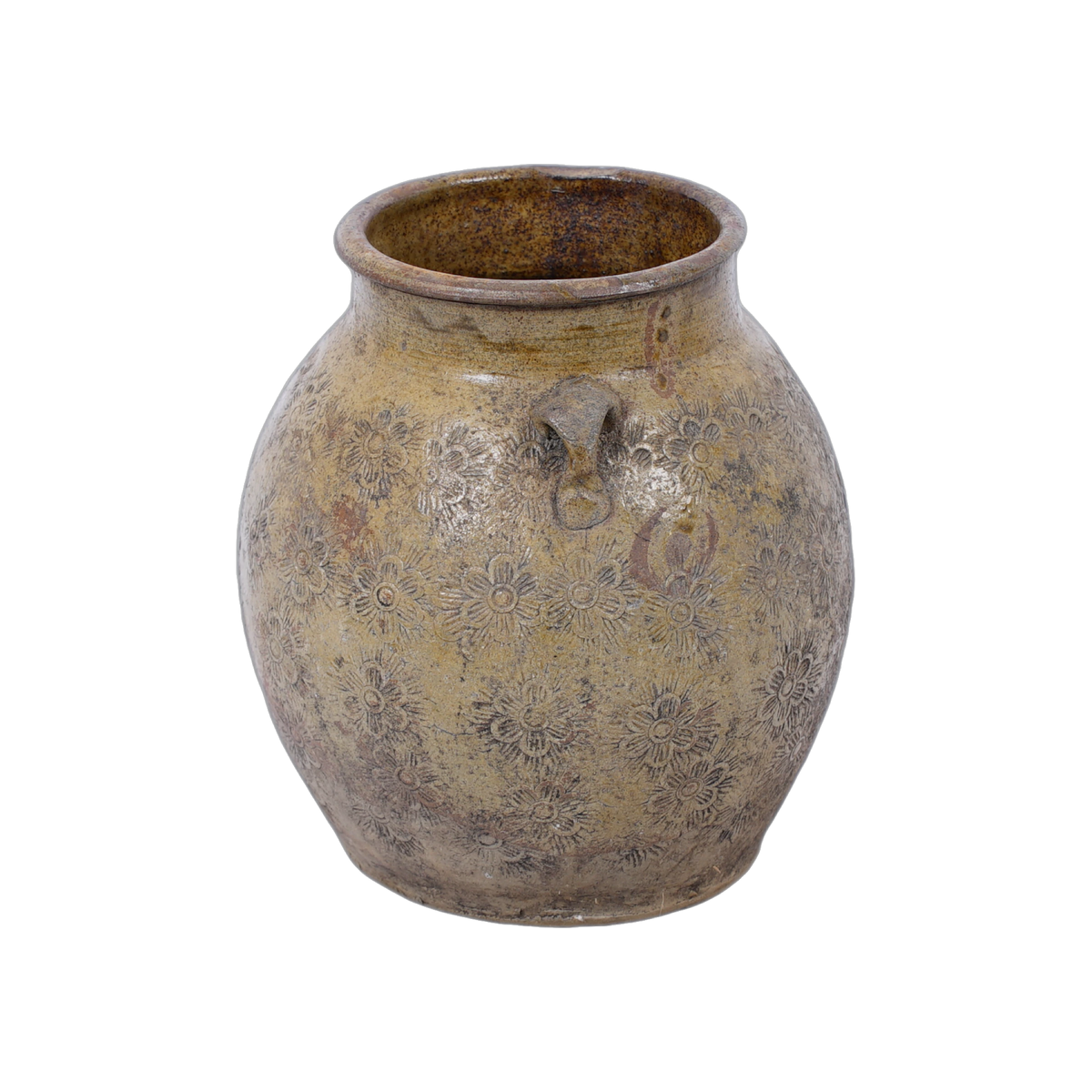


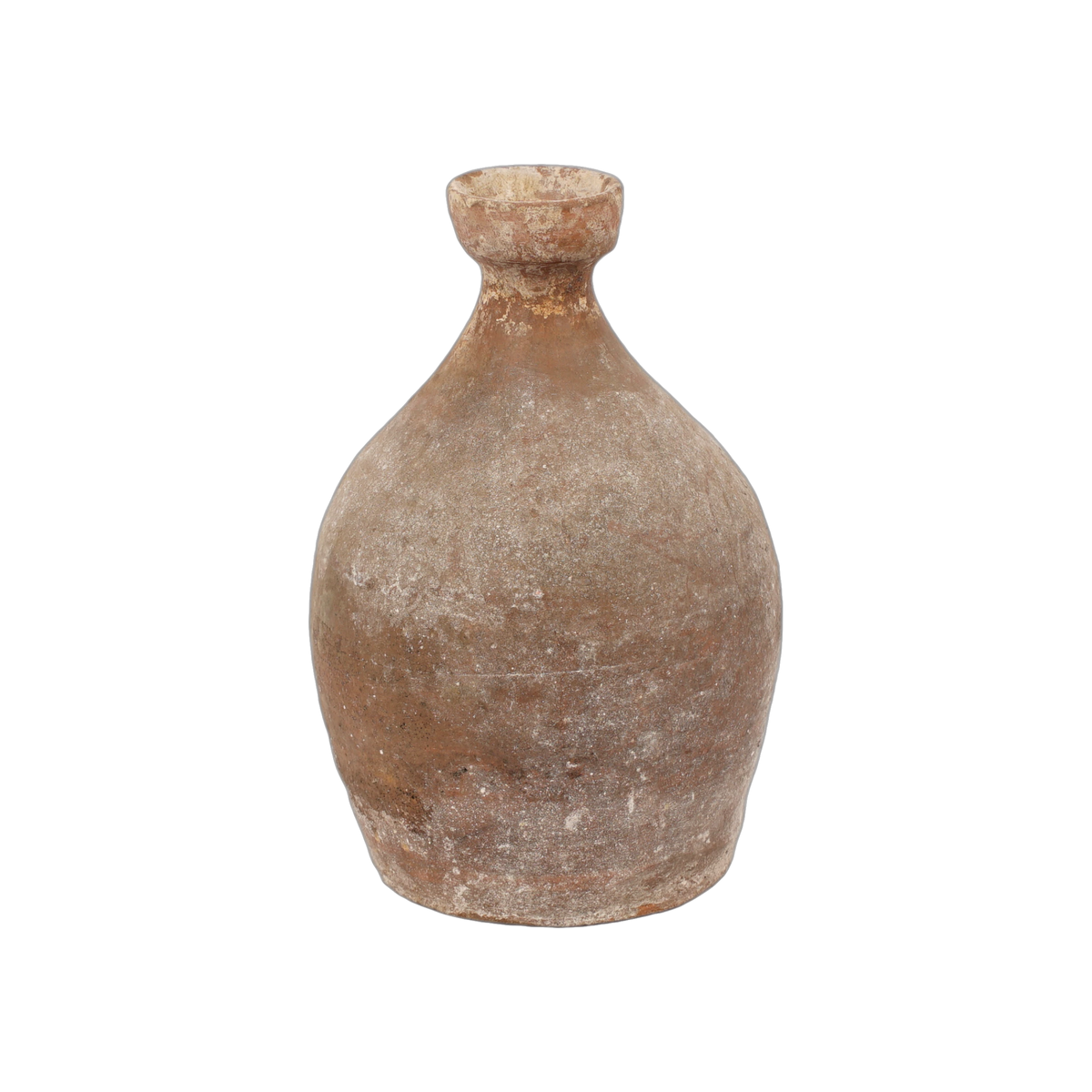
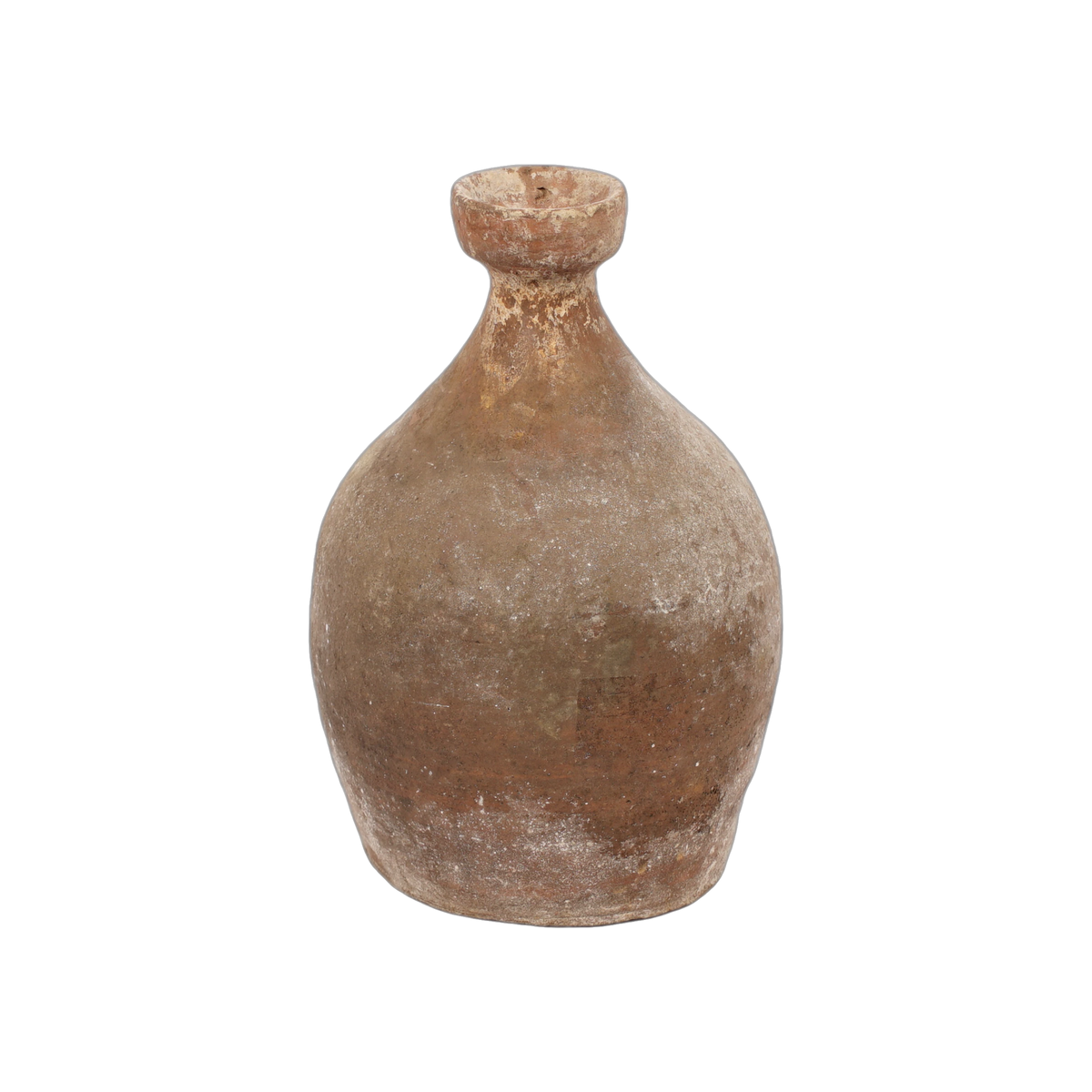
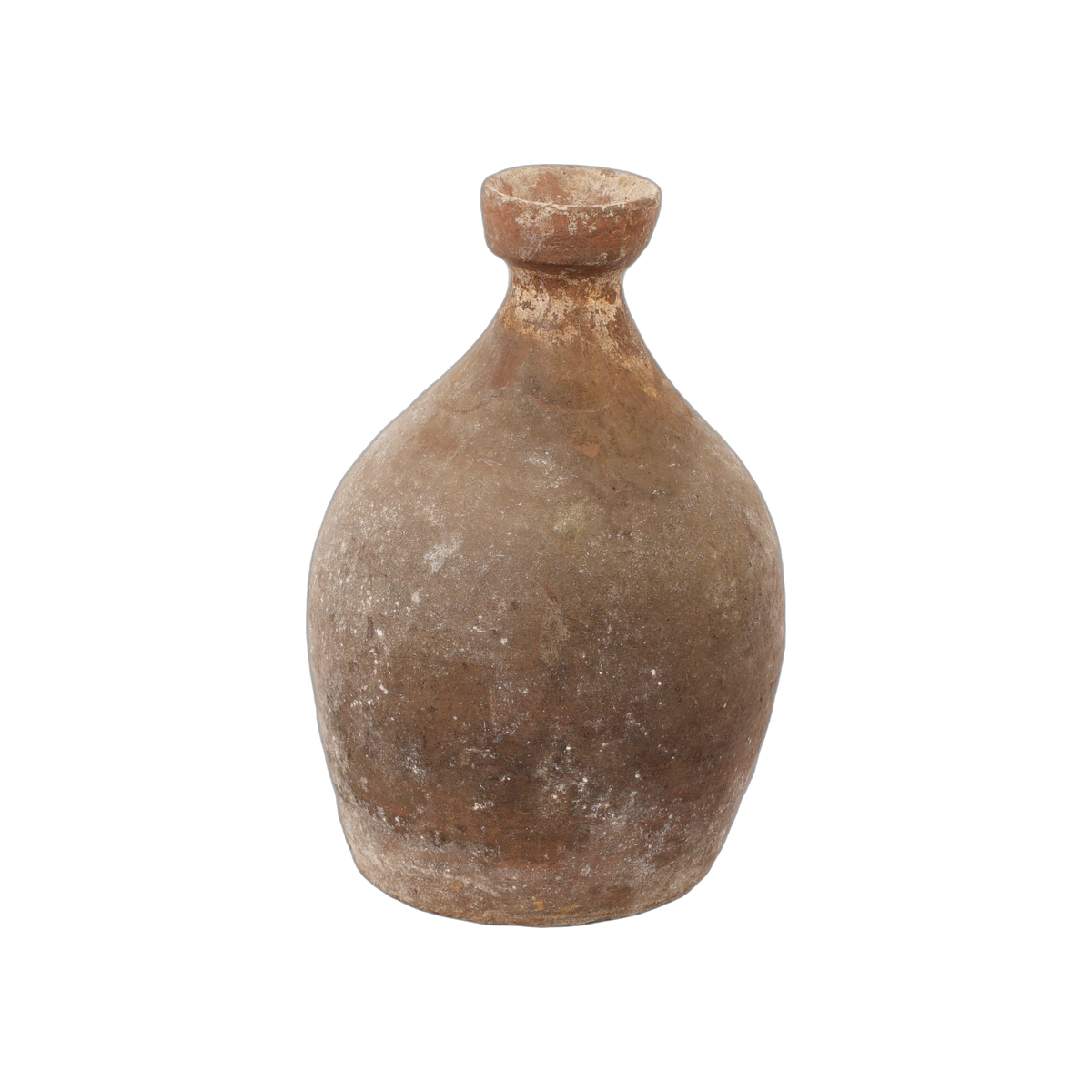
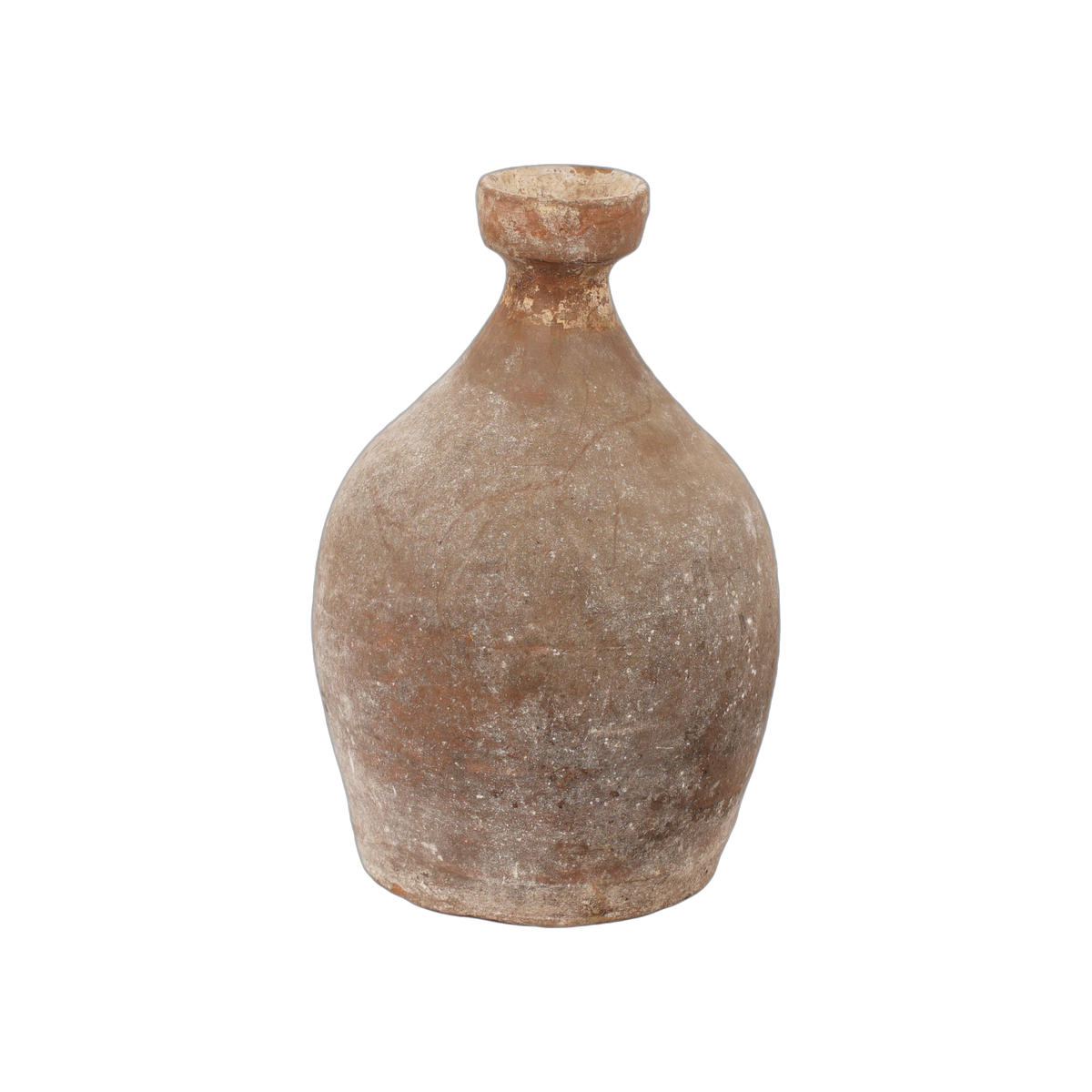
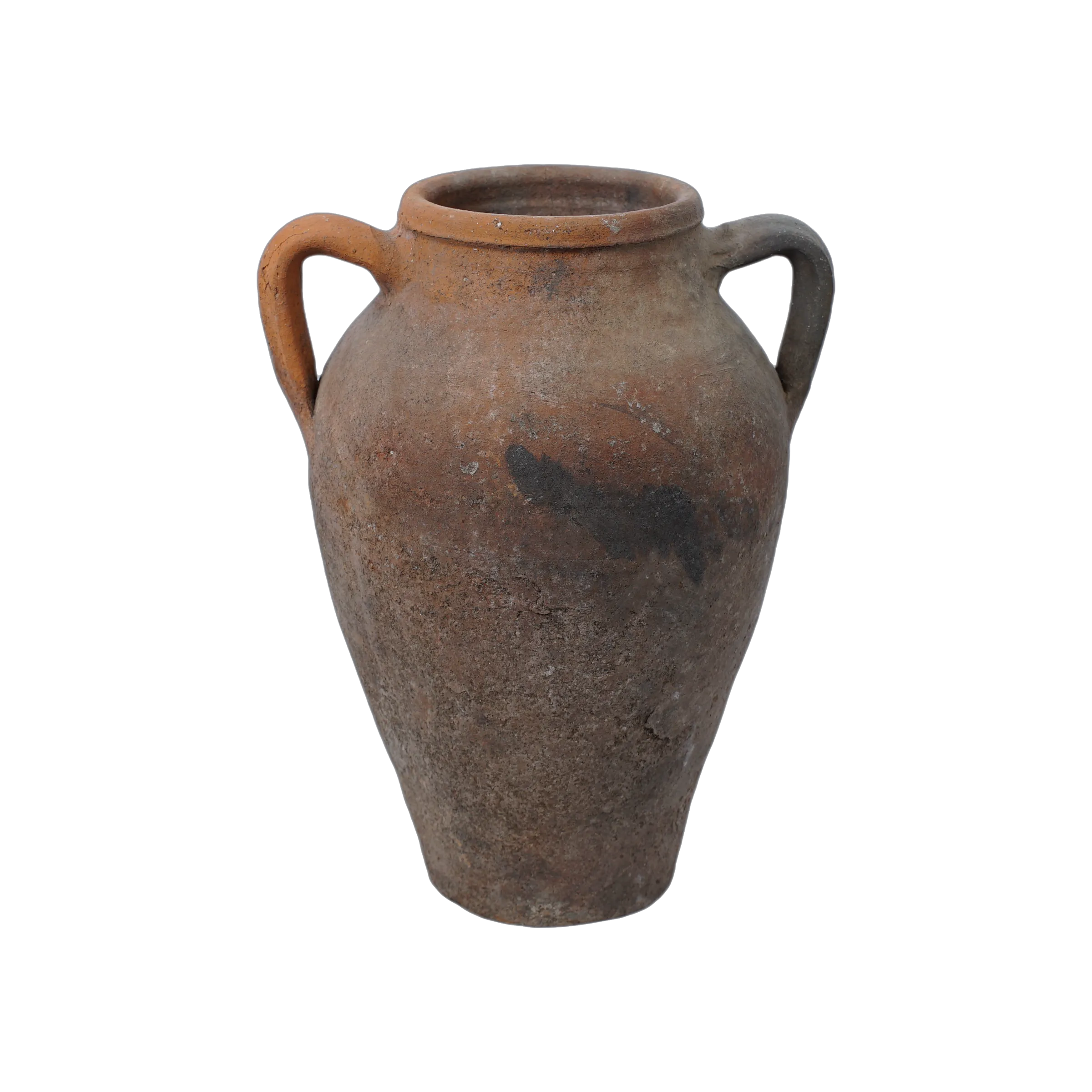
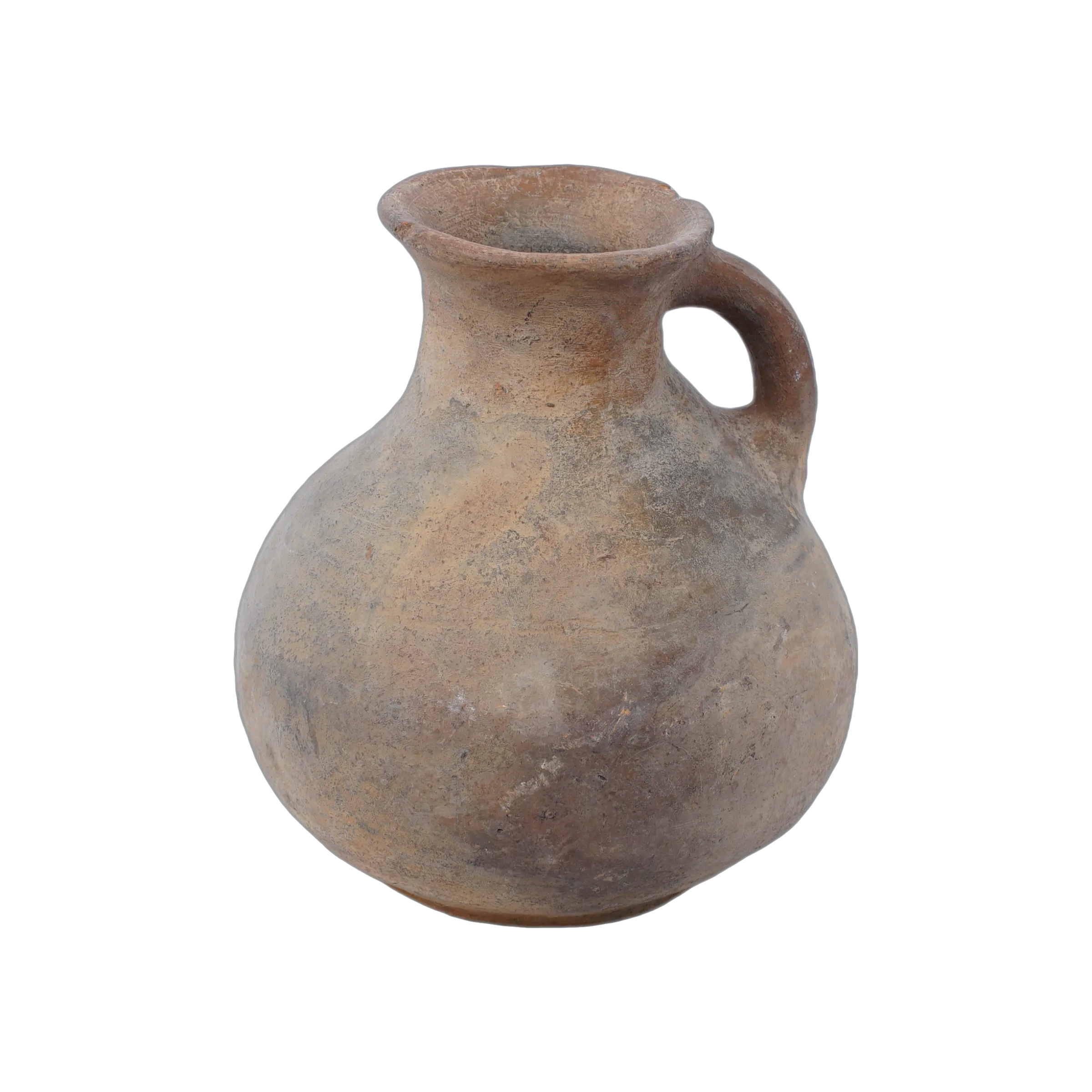
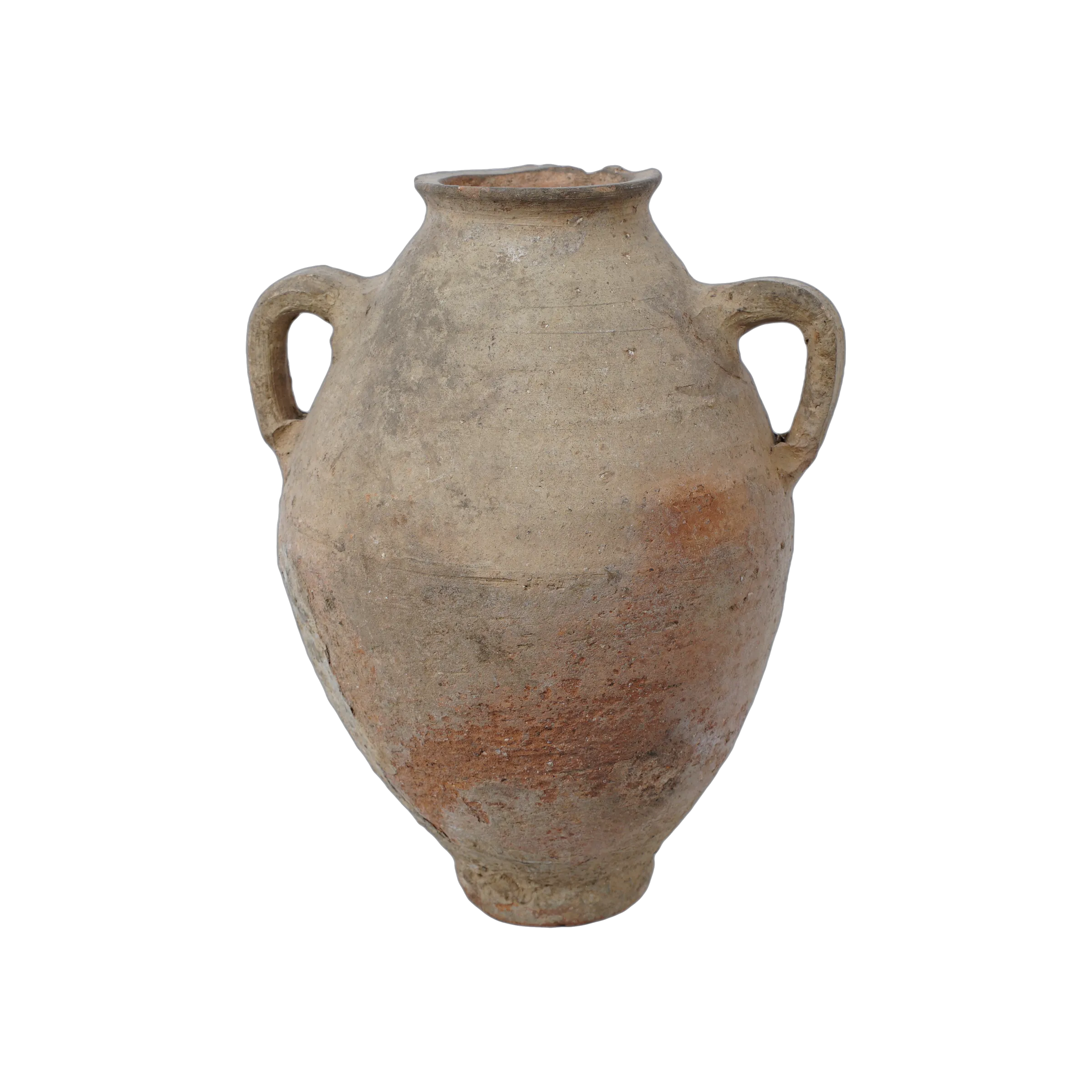
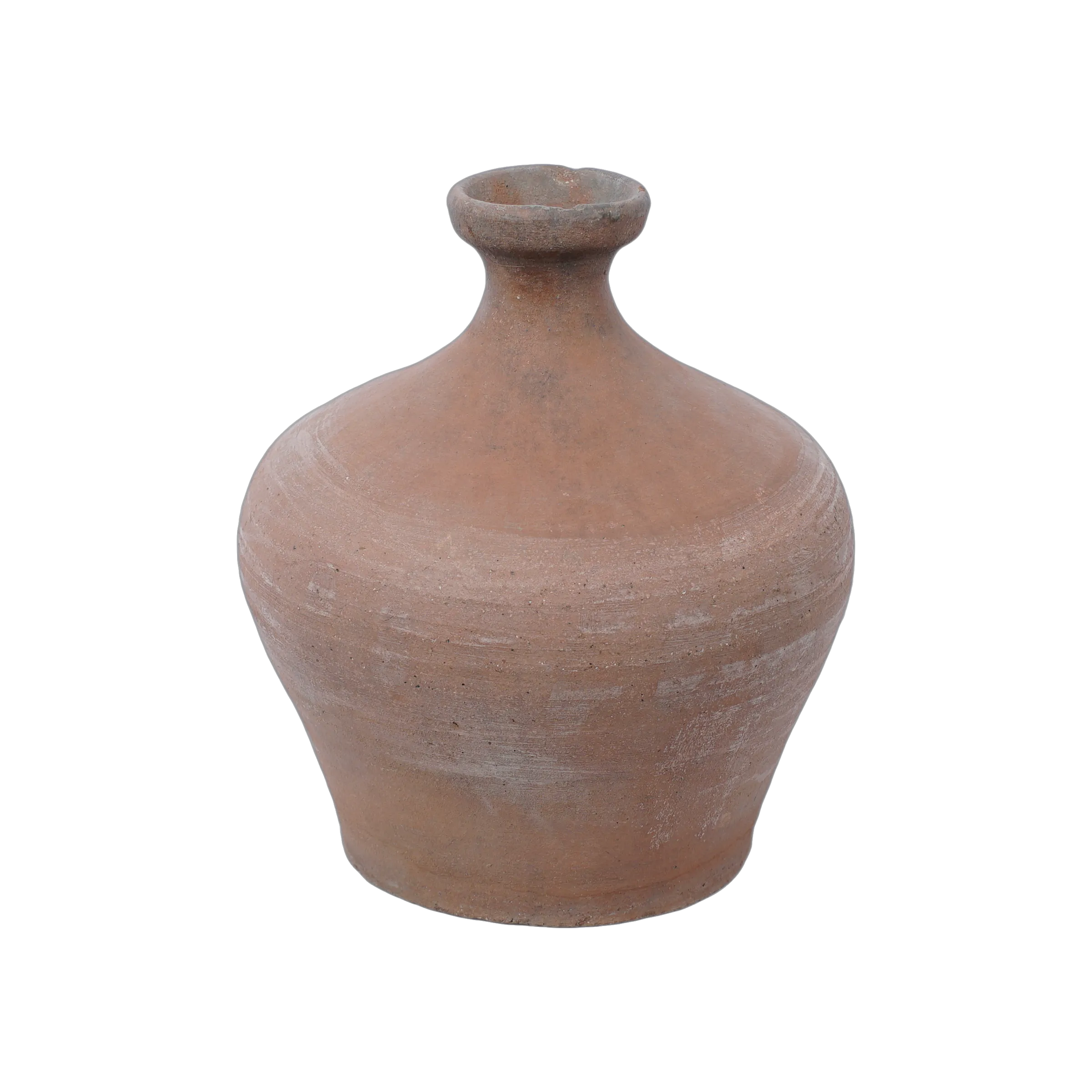
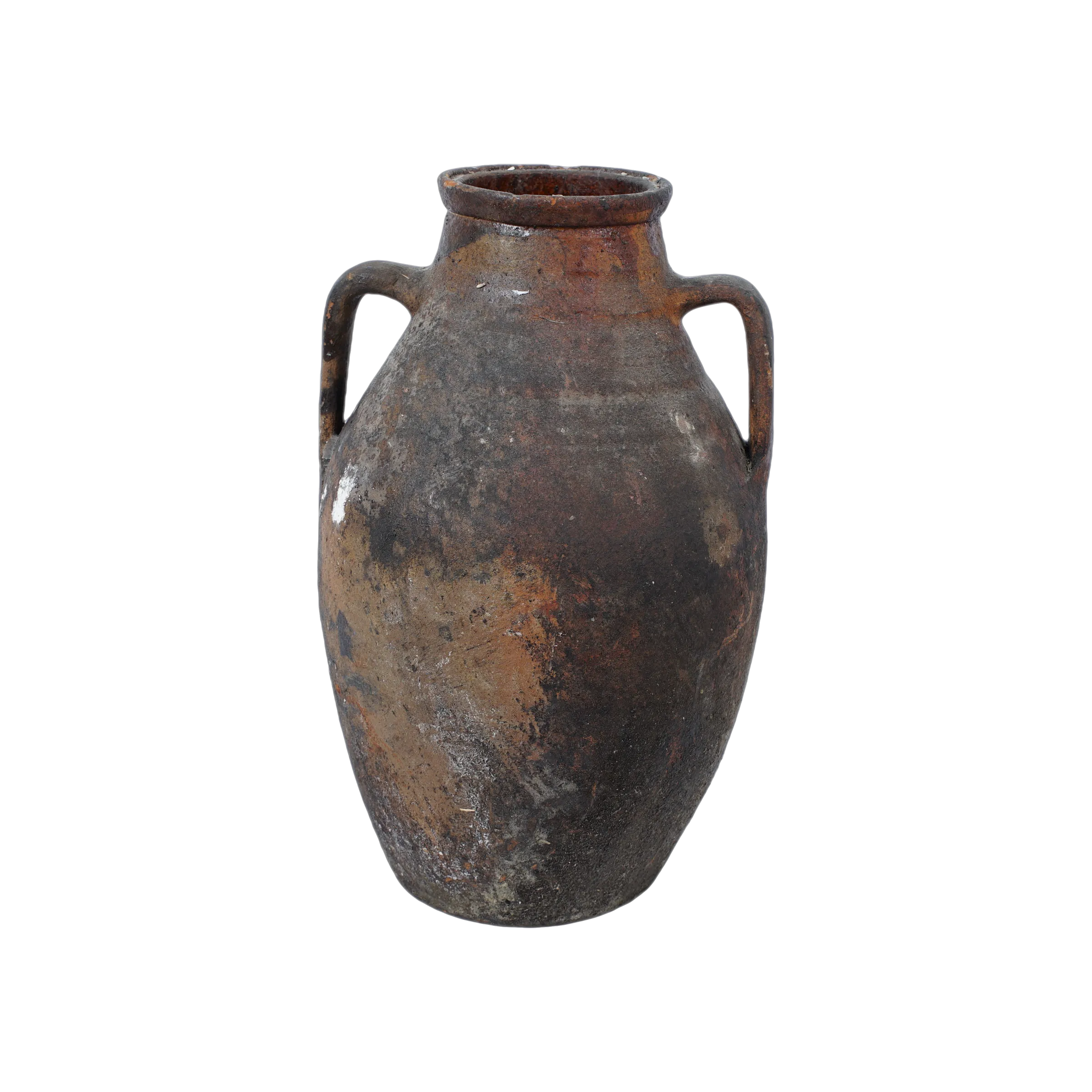
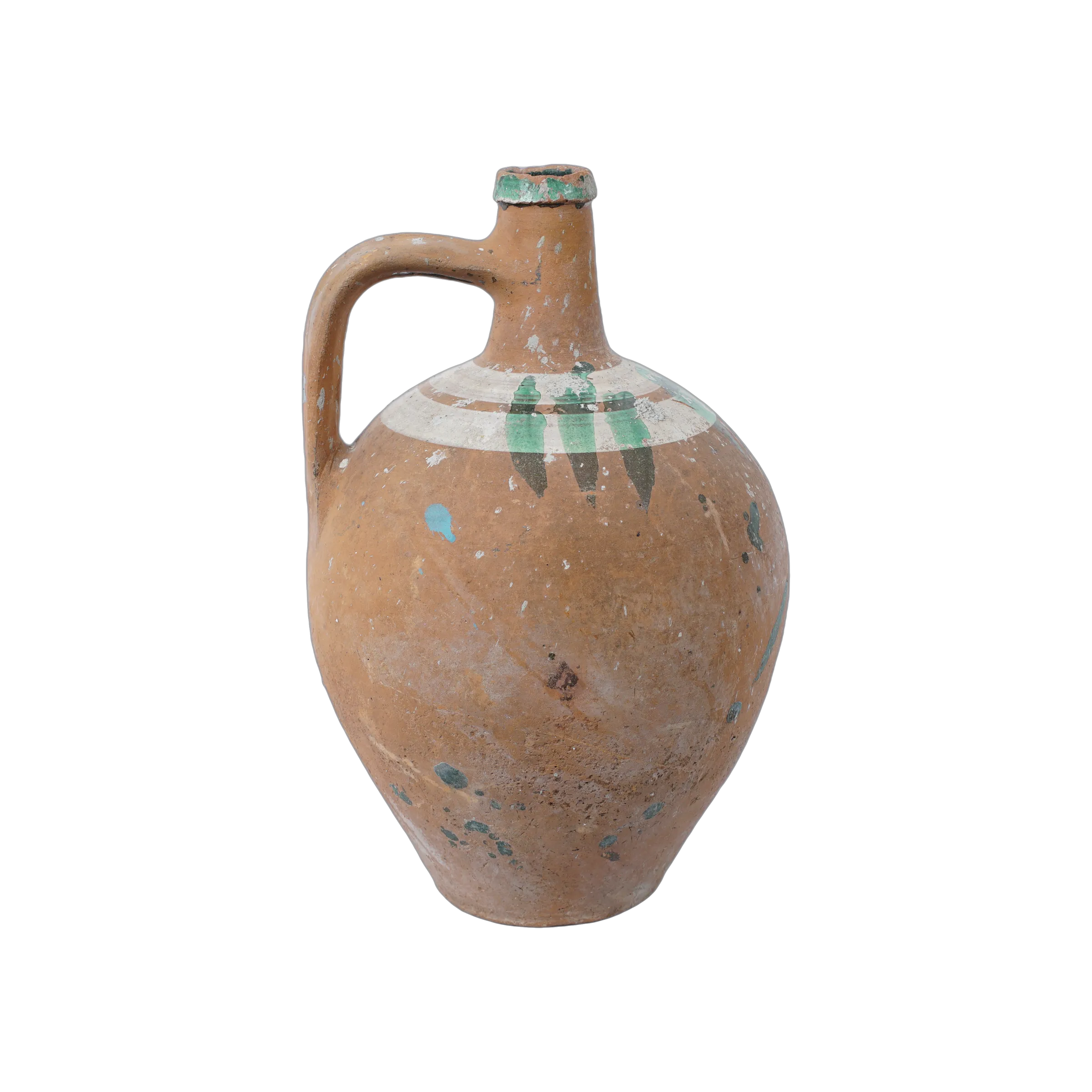
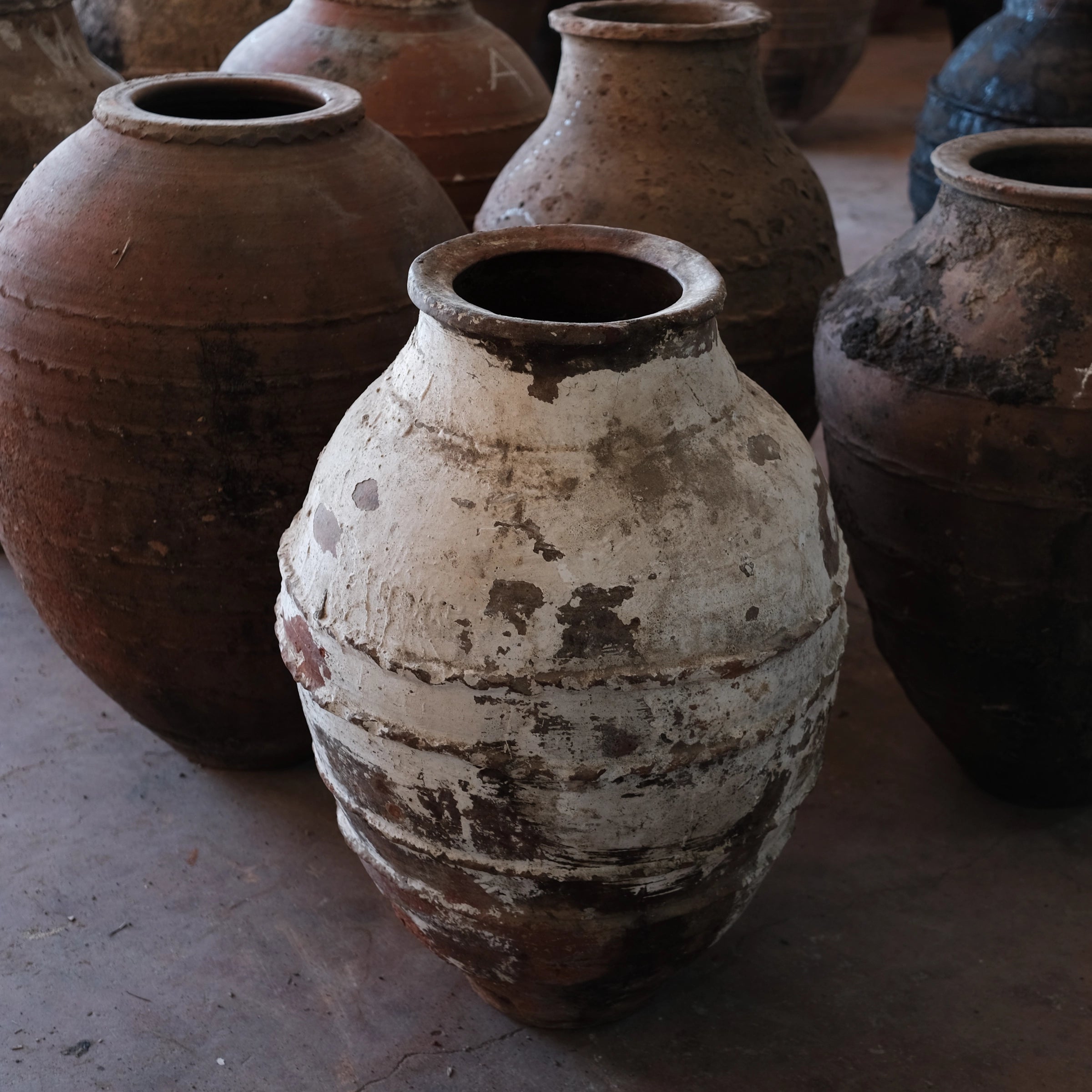
Turkey joined our sourcing for a fairly simple reason: we fell in love with its jars.
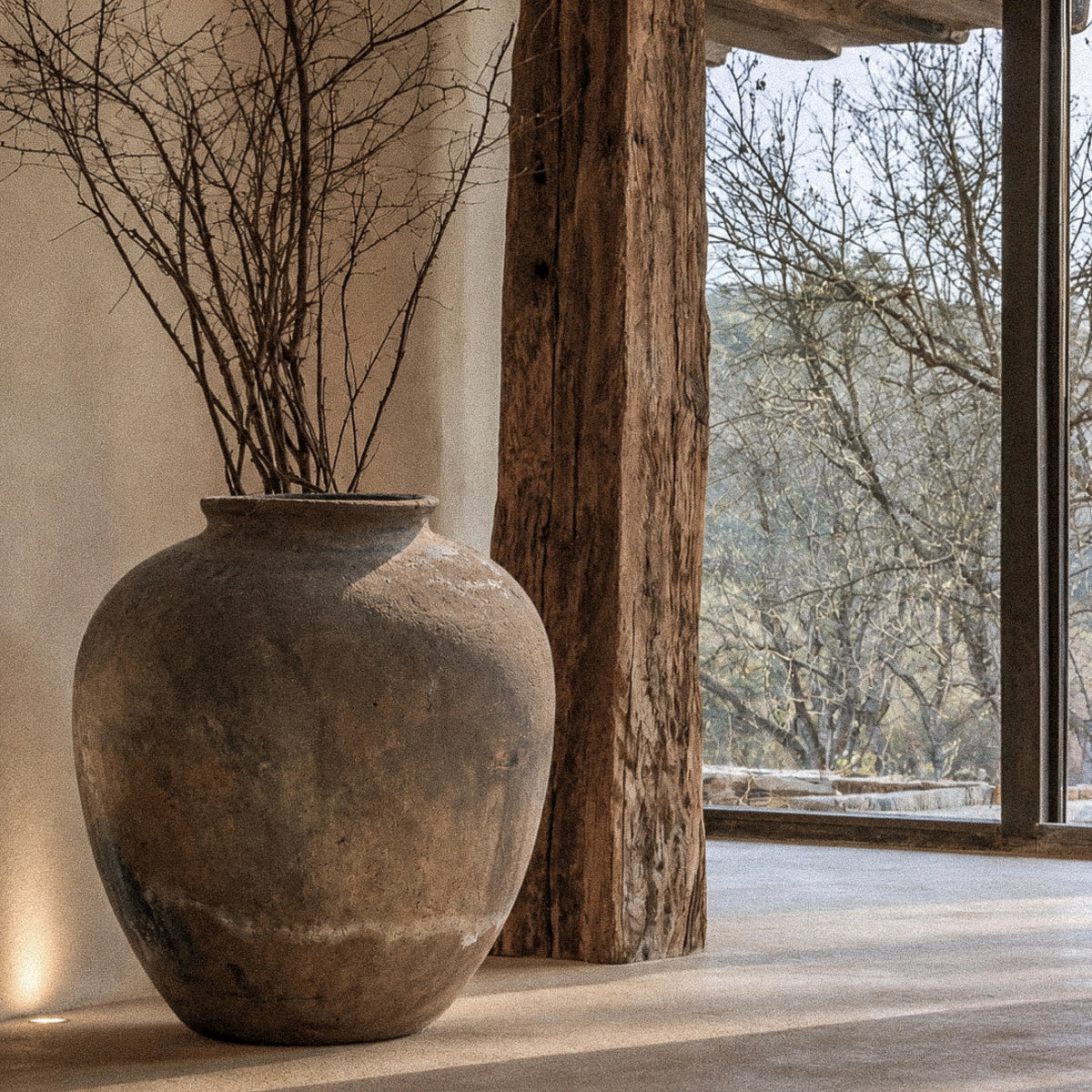
The Turkish jars we select are old, heavy and particularly sturdy. Their clay and the way they are made generally give them a very different presence from the lighter clay jars you can find in other countries.
And finding them is quite an adventure.
Sourcing there is often less centralised. There is not necessarily one huge warehouse where everything is gathered. We may have several appointments in a single day, in small warehouses scattered across different villages.
The people we work with are often families who have their own network of contacts in several regions of the country.
Indeed, the jars do not all come from the same place. Turkey is vast and each region has its own particularities. Some jars have travelled for years before reaching the warehouses we visit. In the most remote areas, some still come down from mountain villages by very simple means, sometimes even on the back of a donkey.
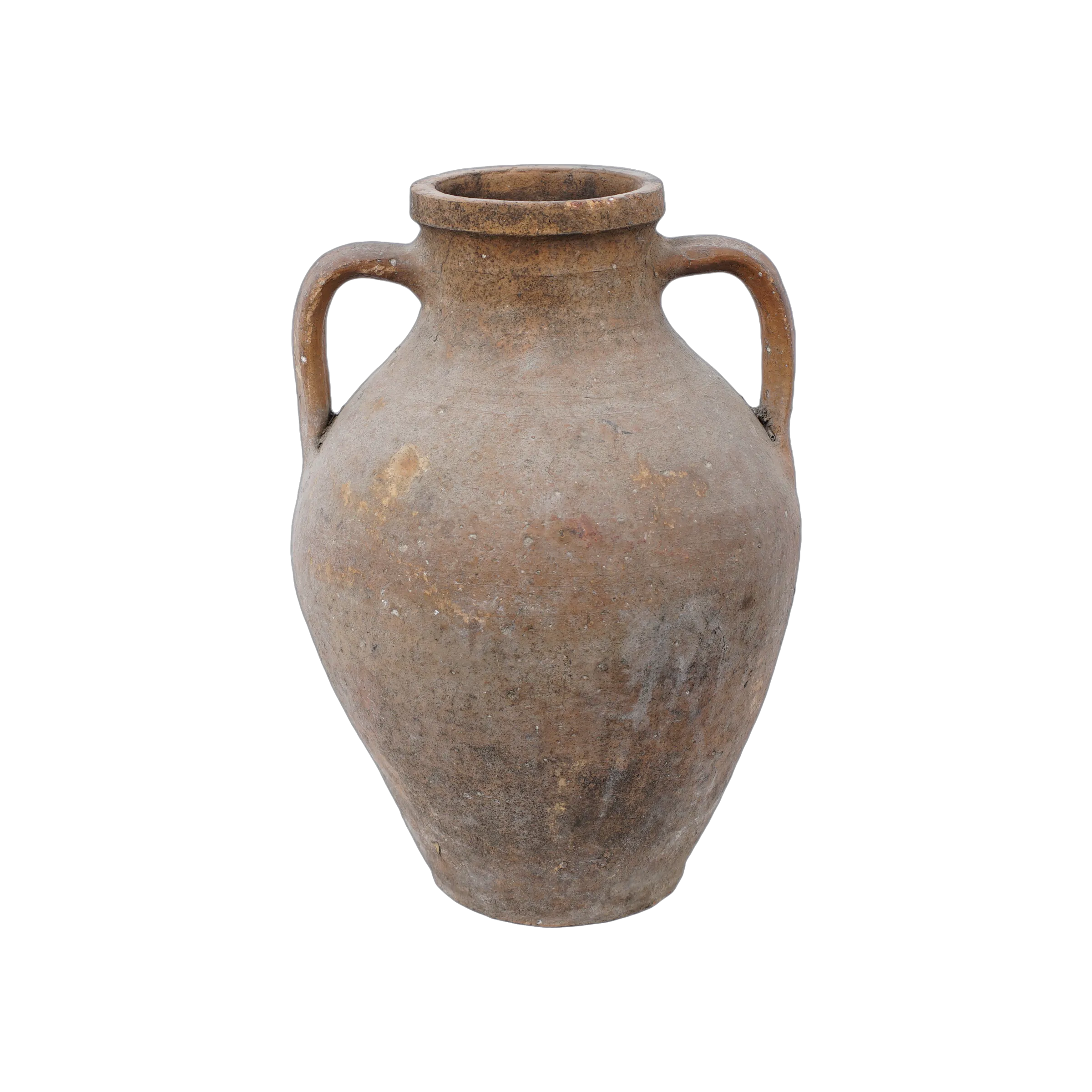
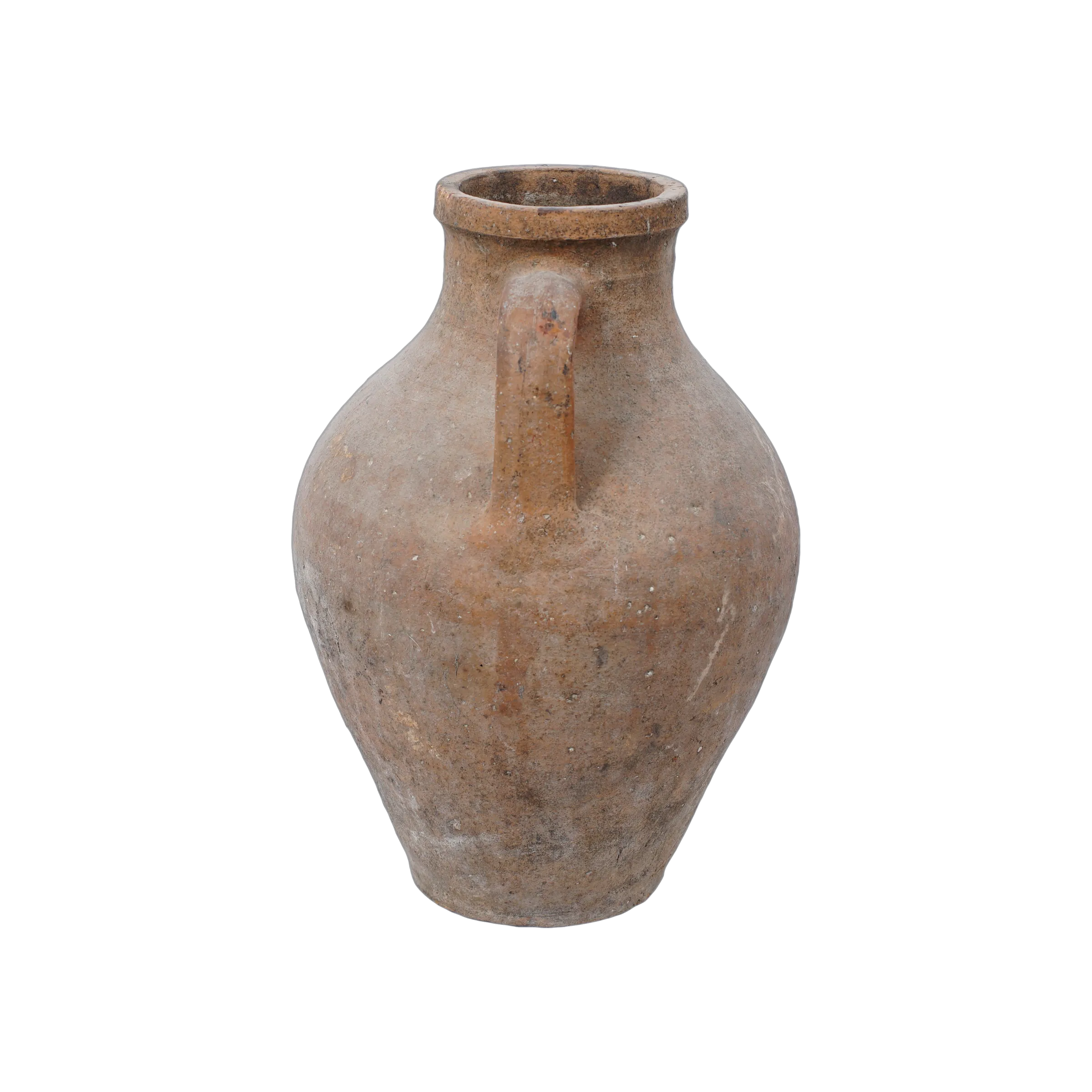
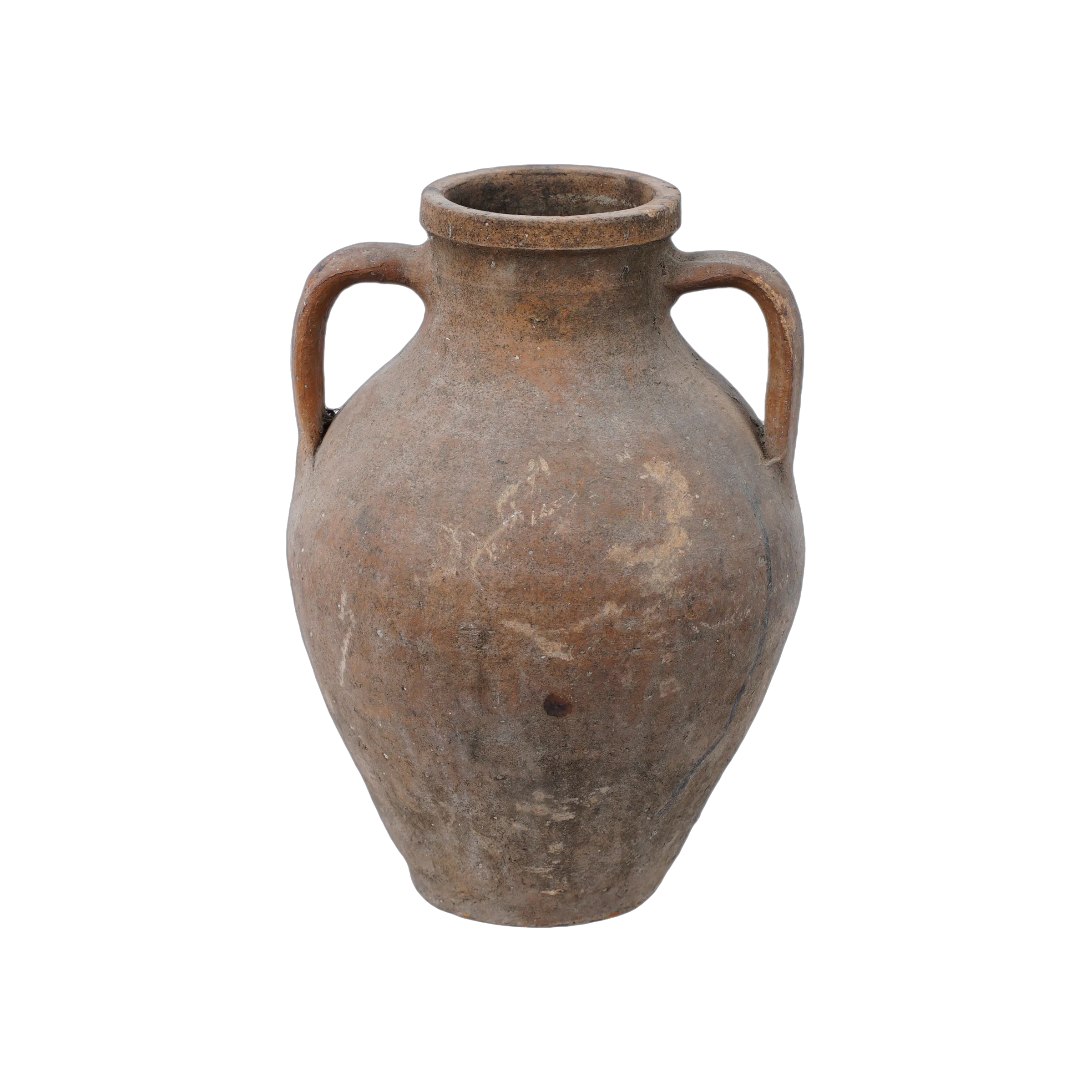
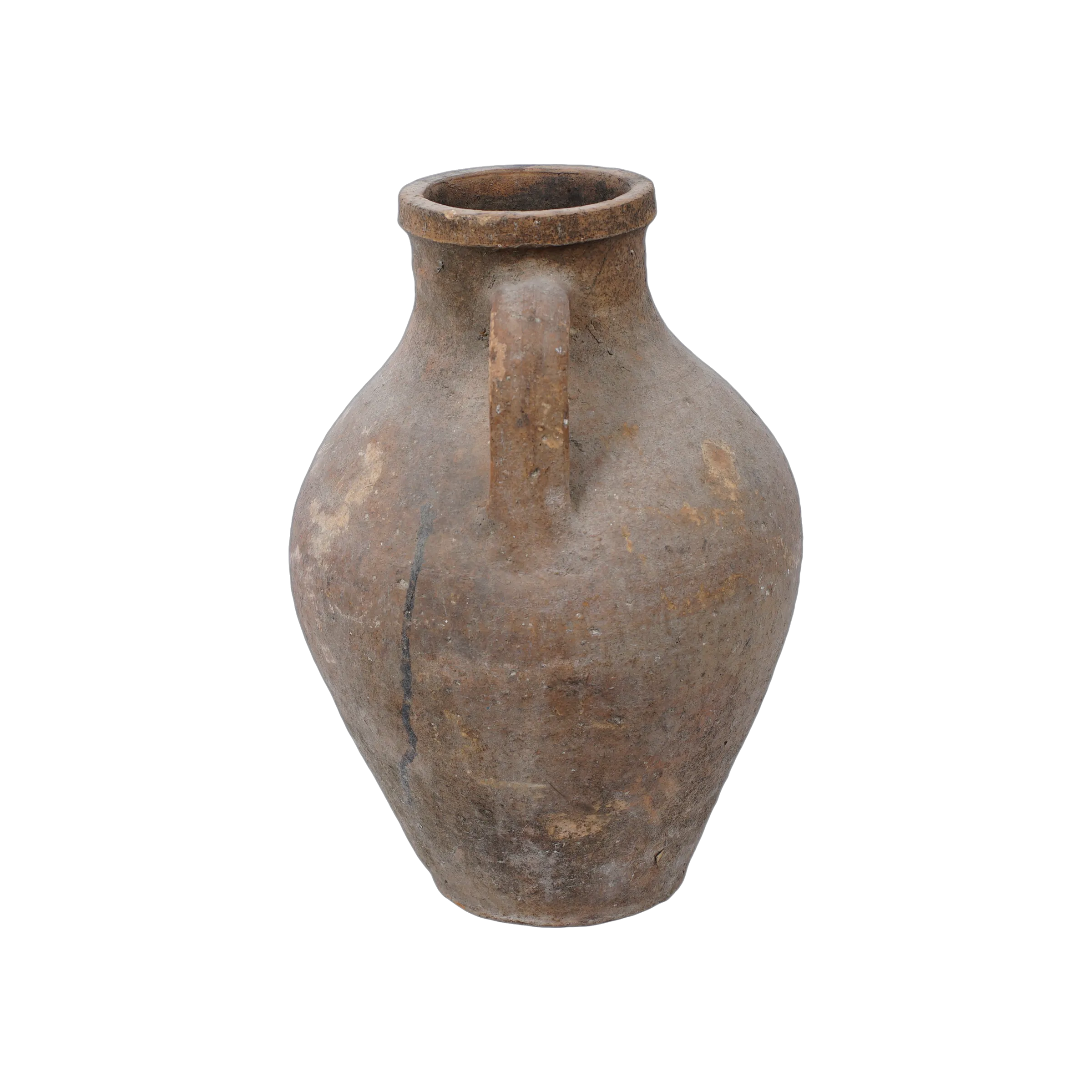
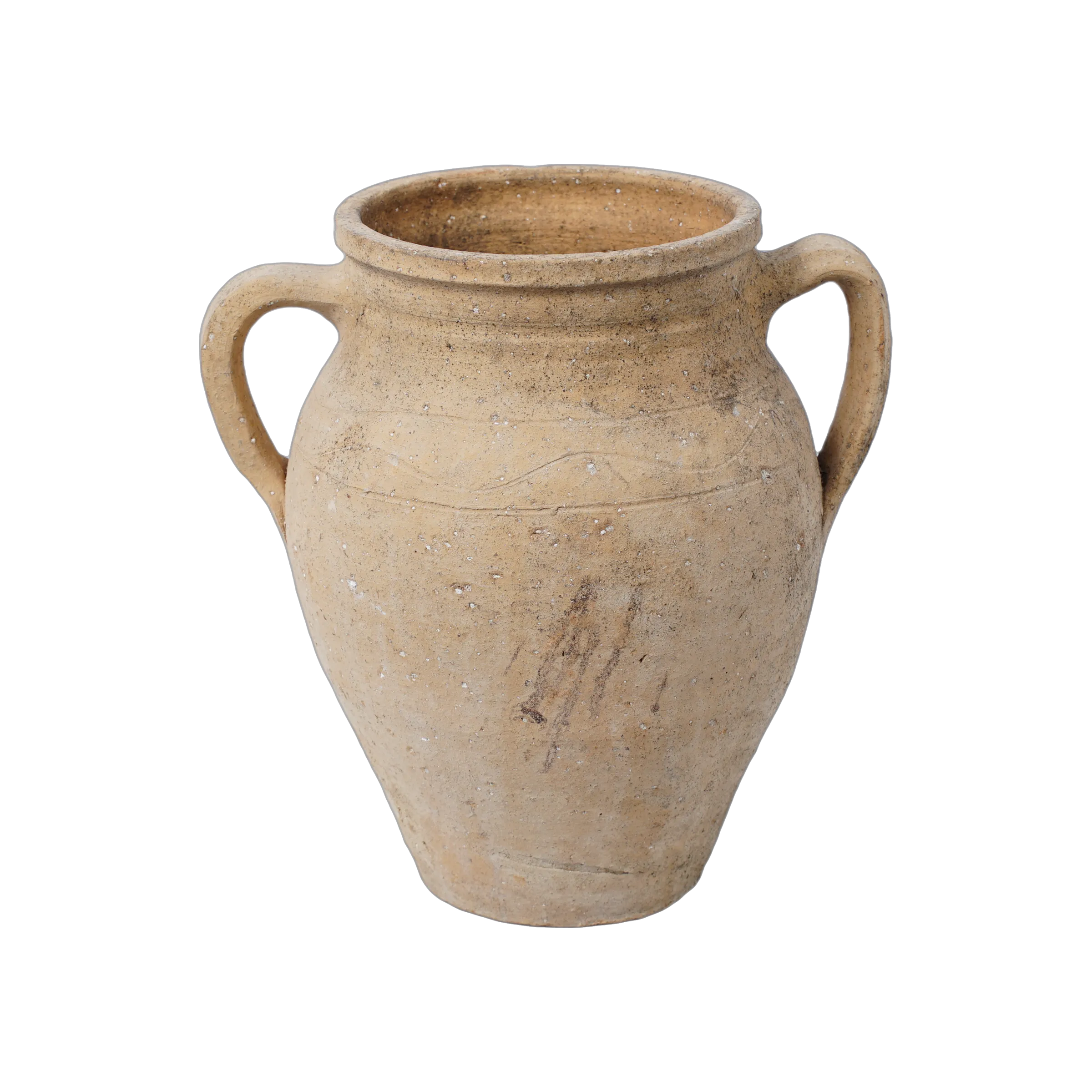
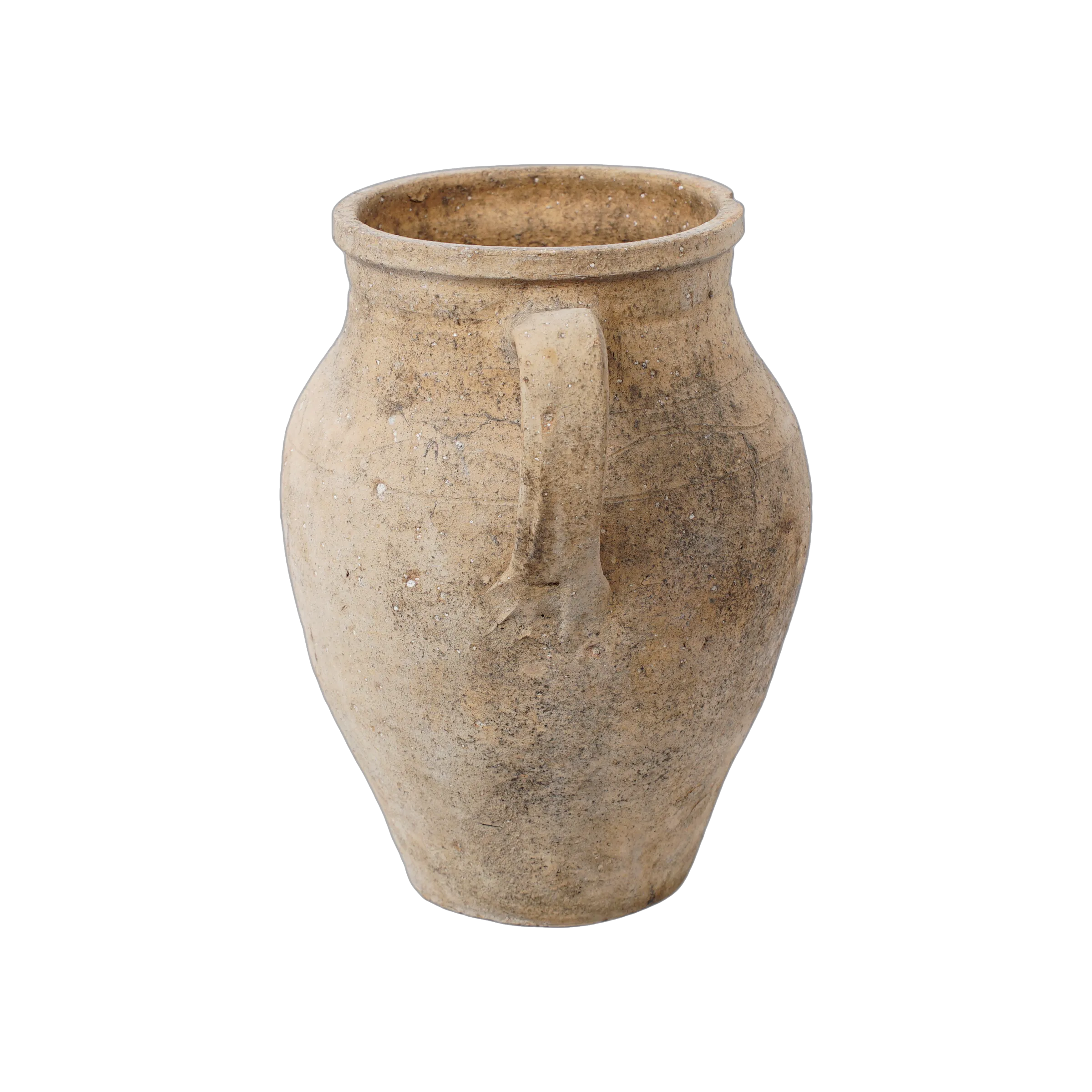
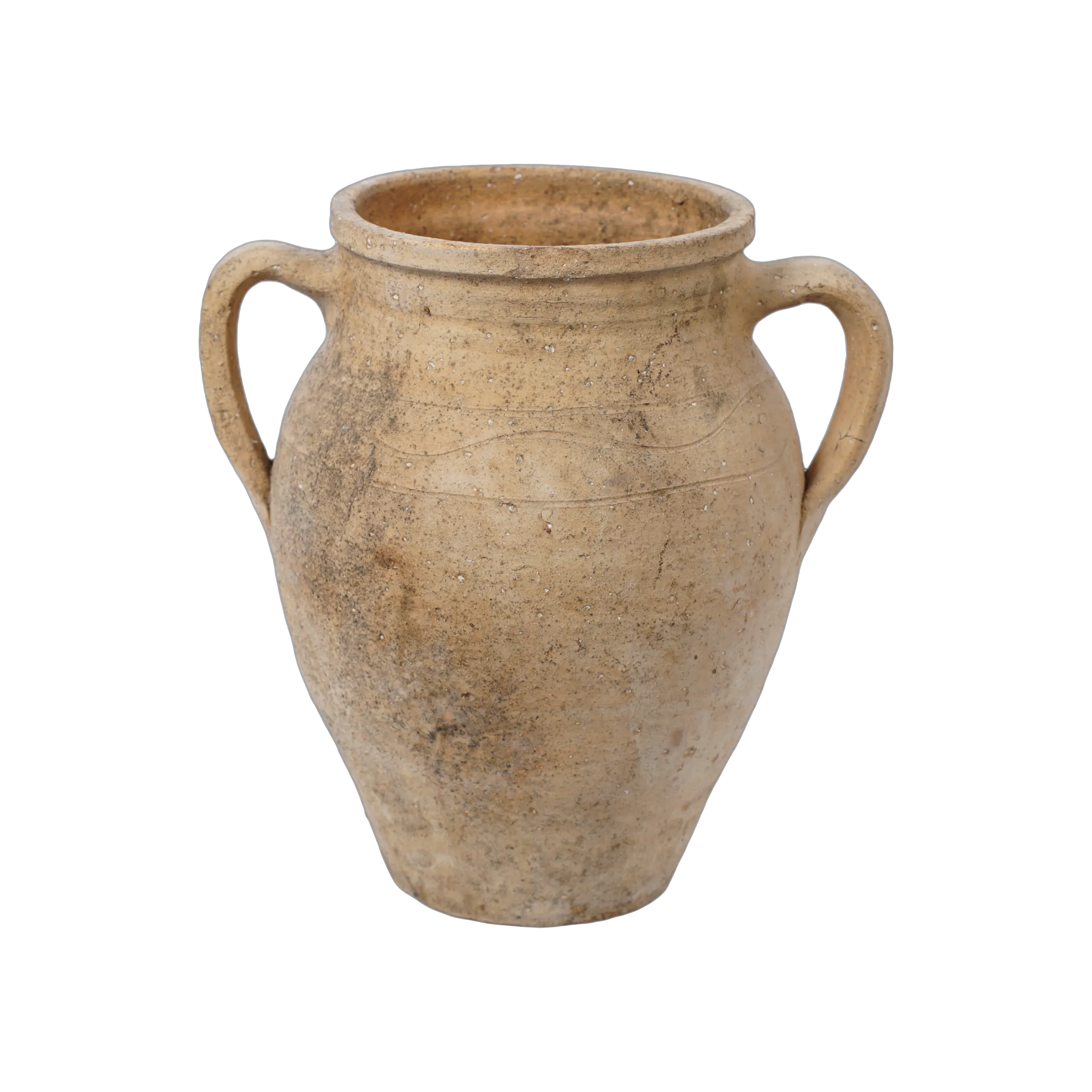
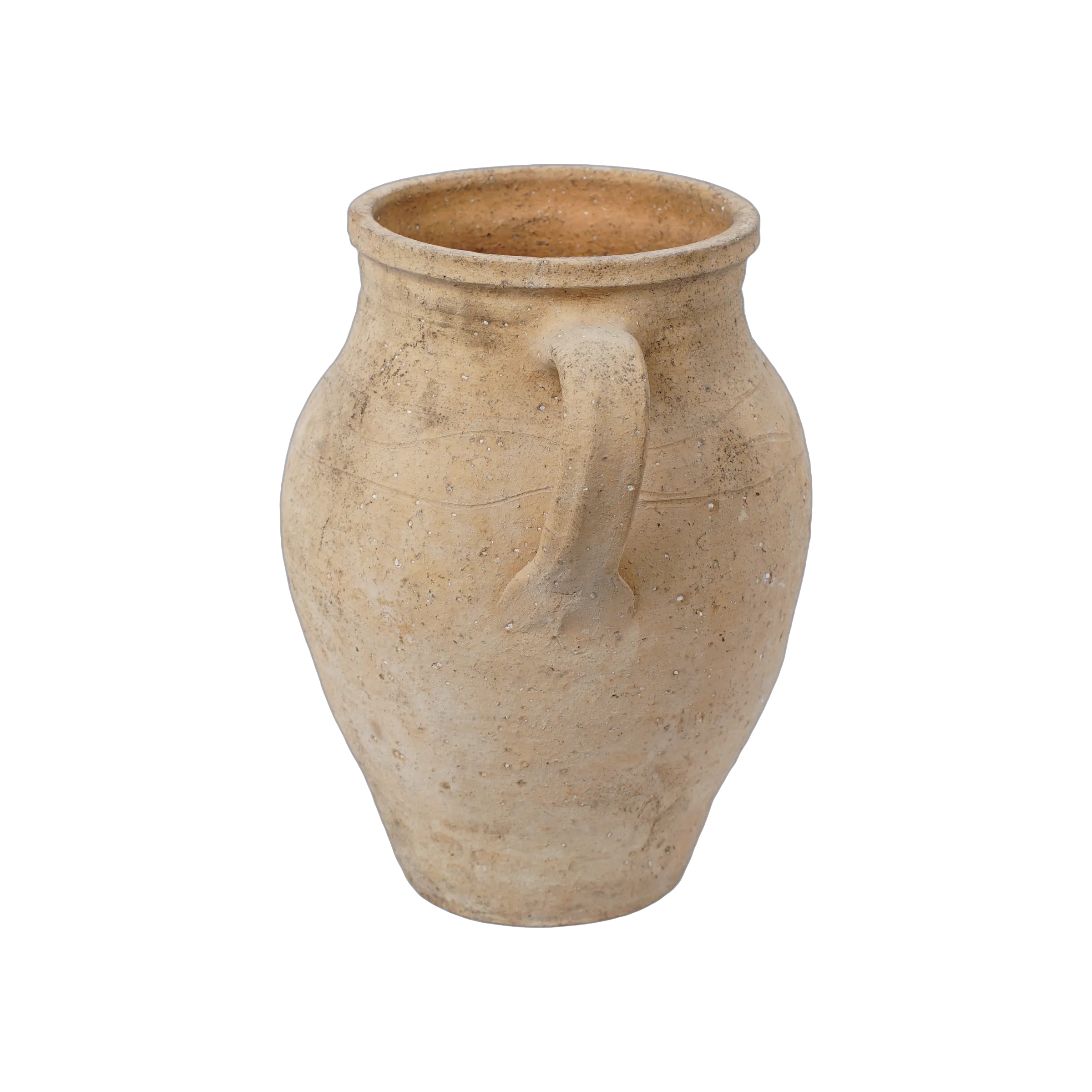
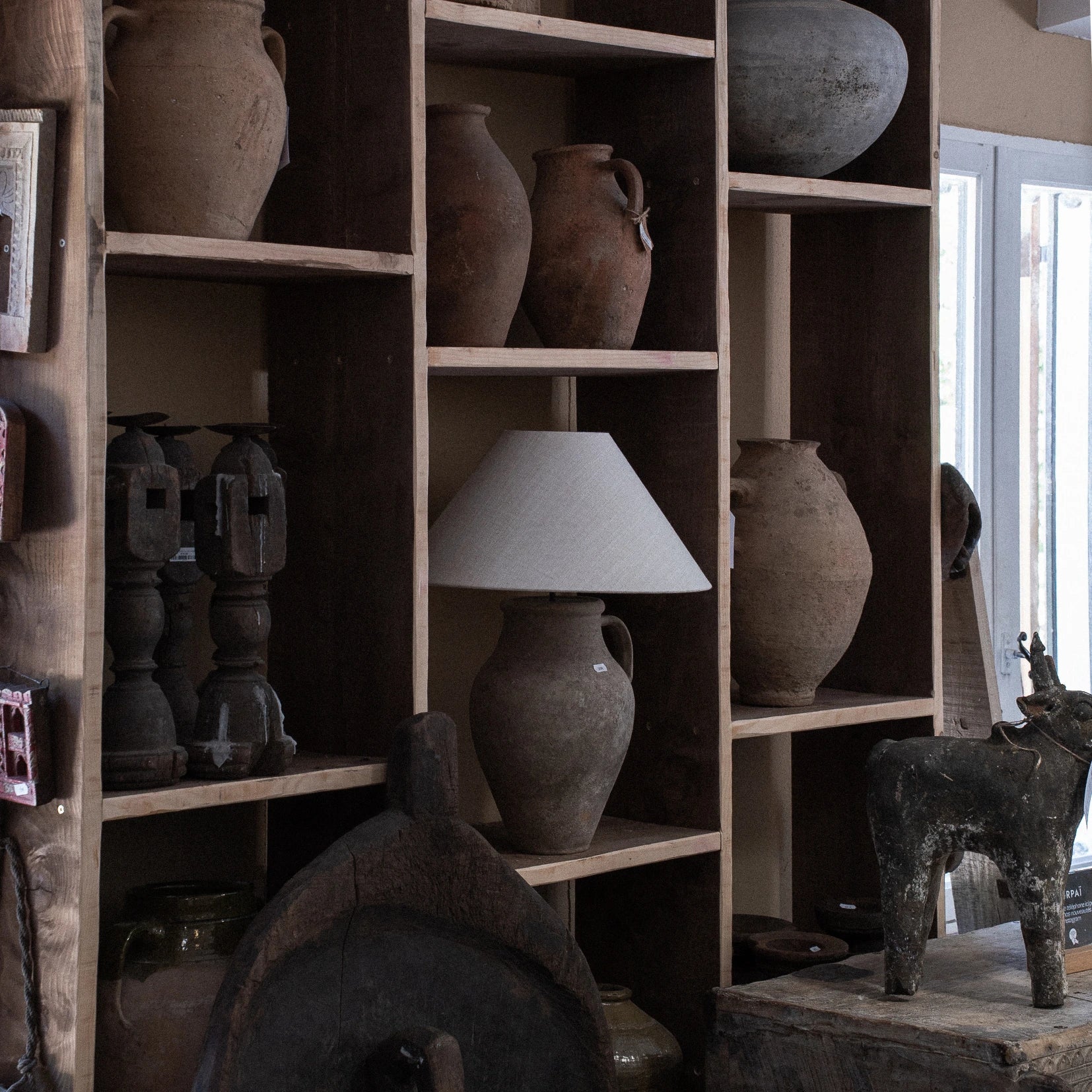
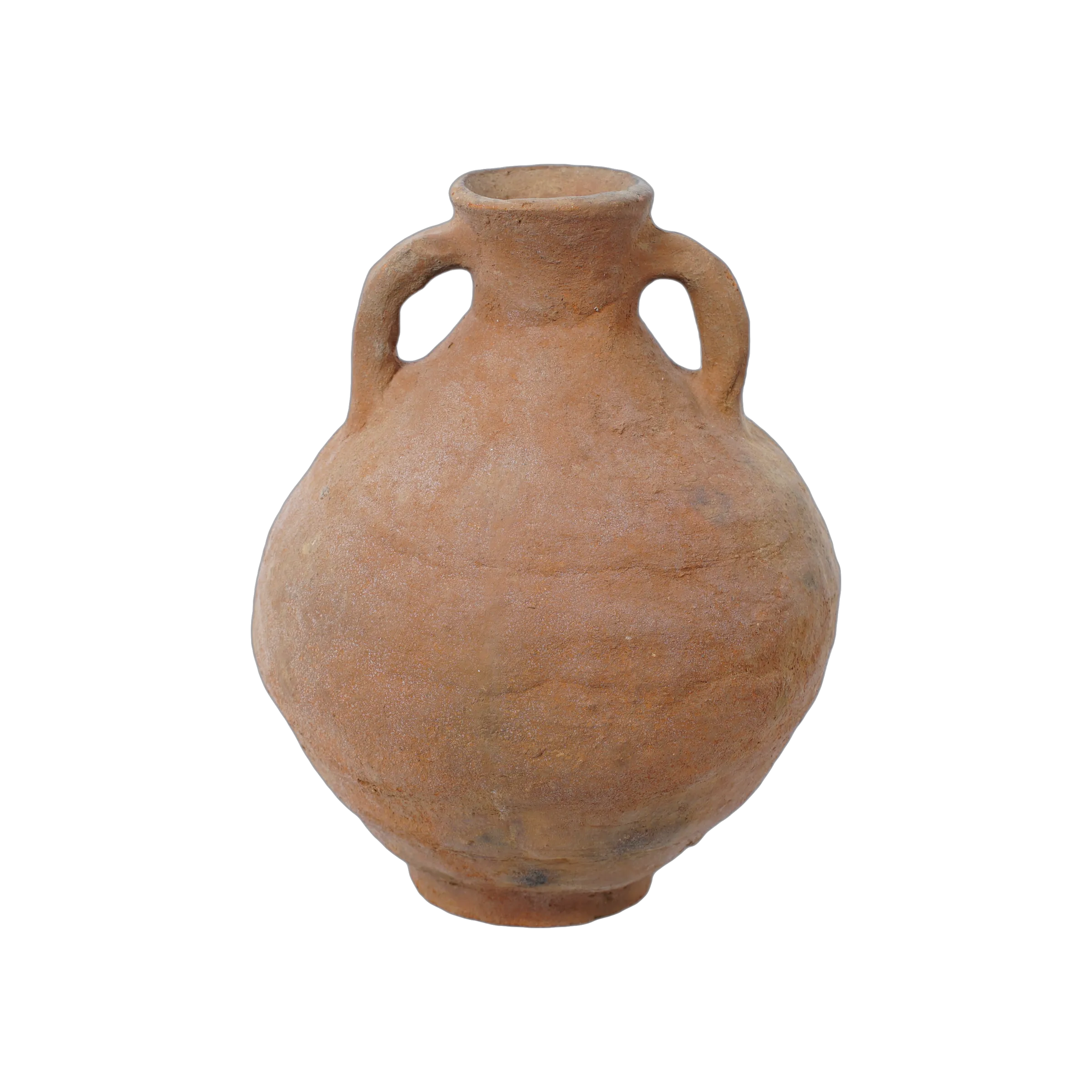
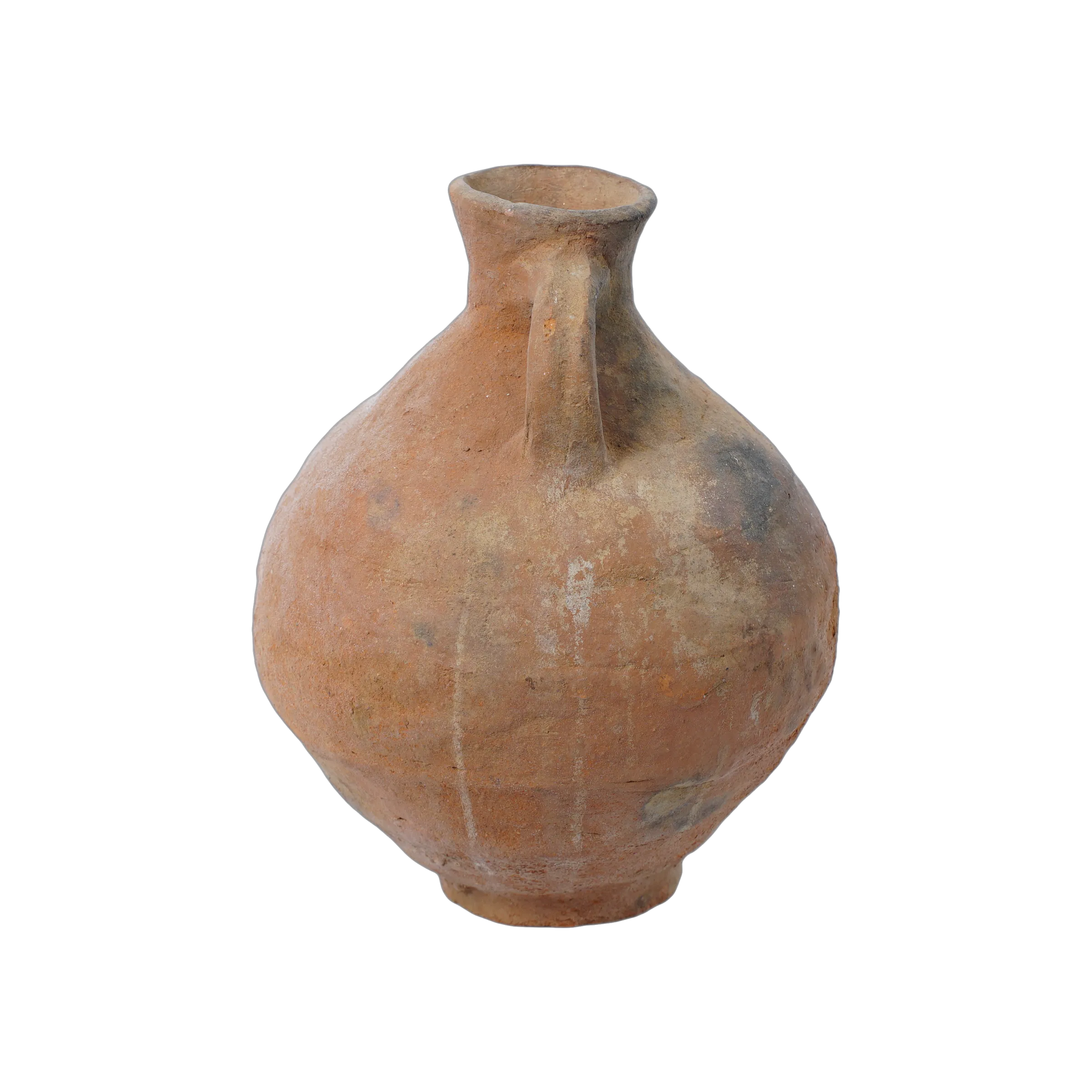
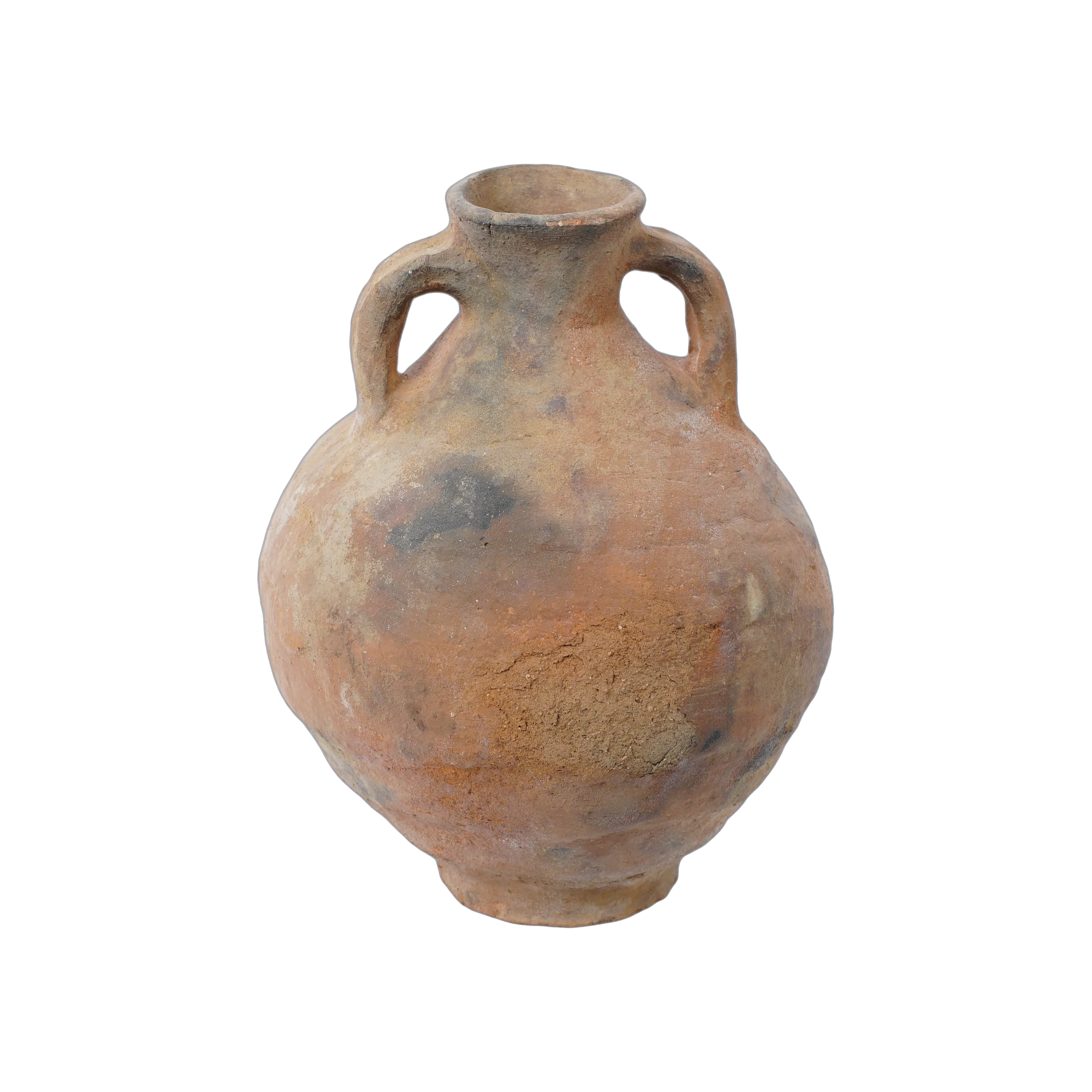
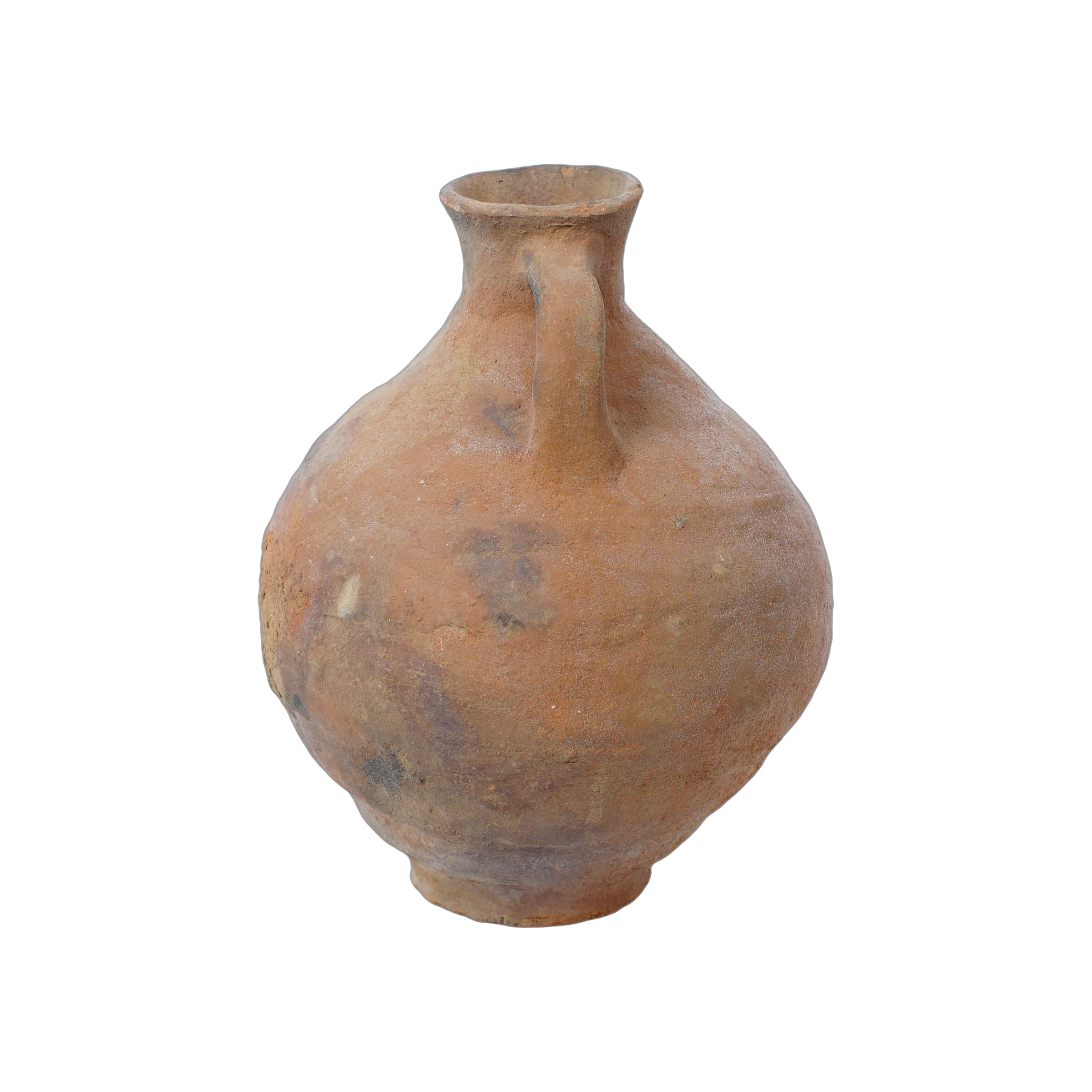
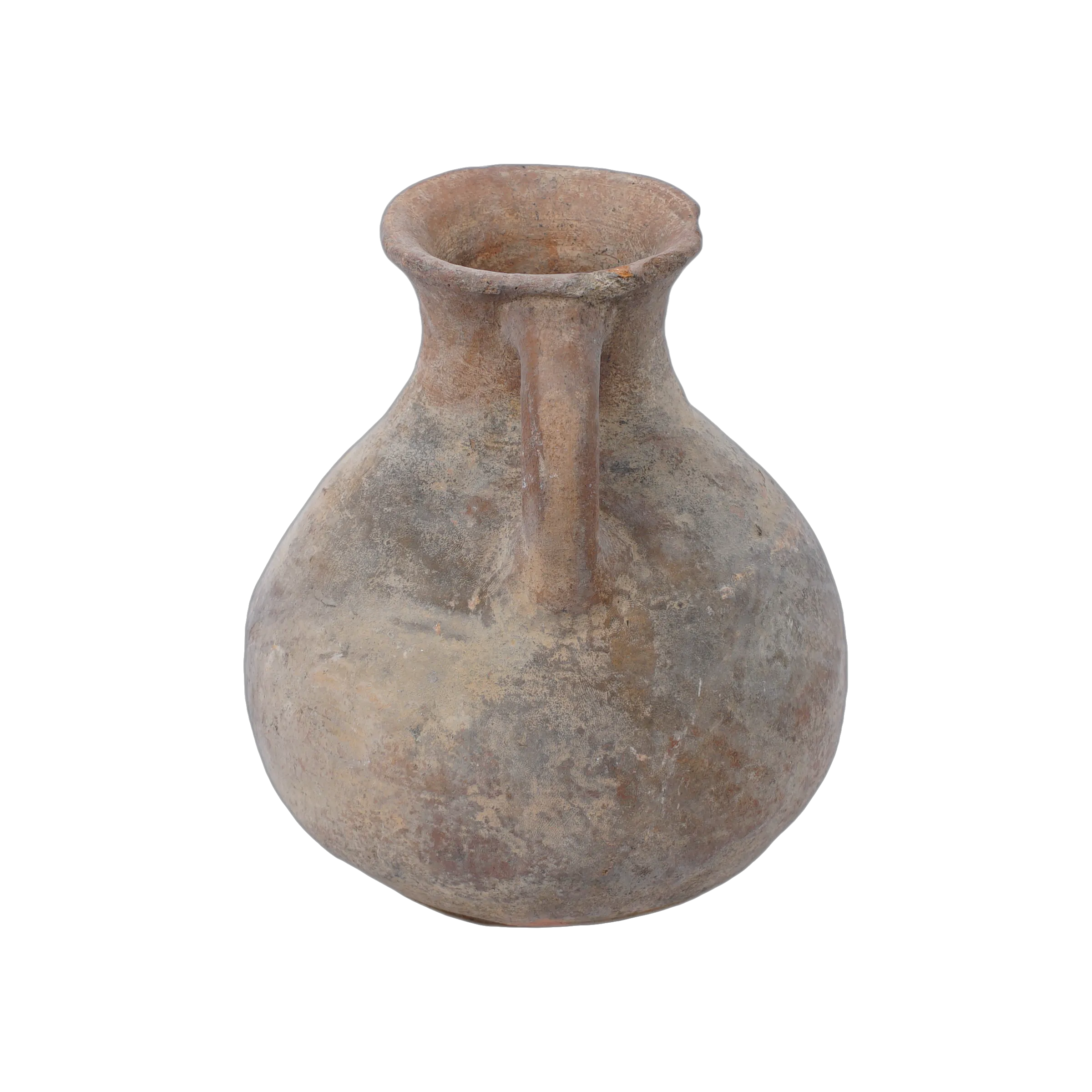
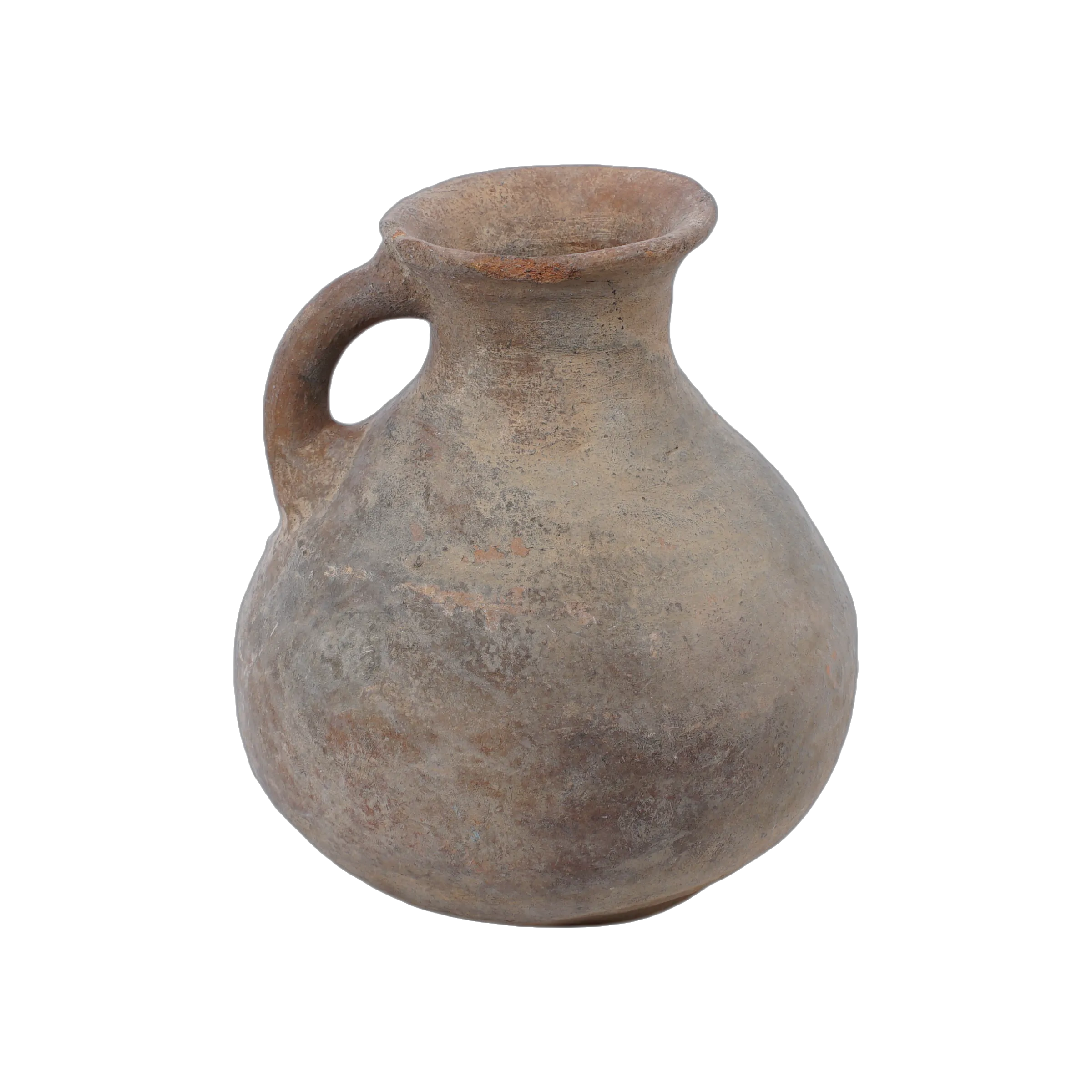
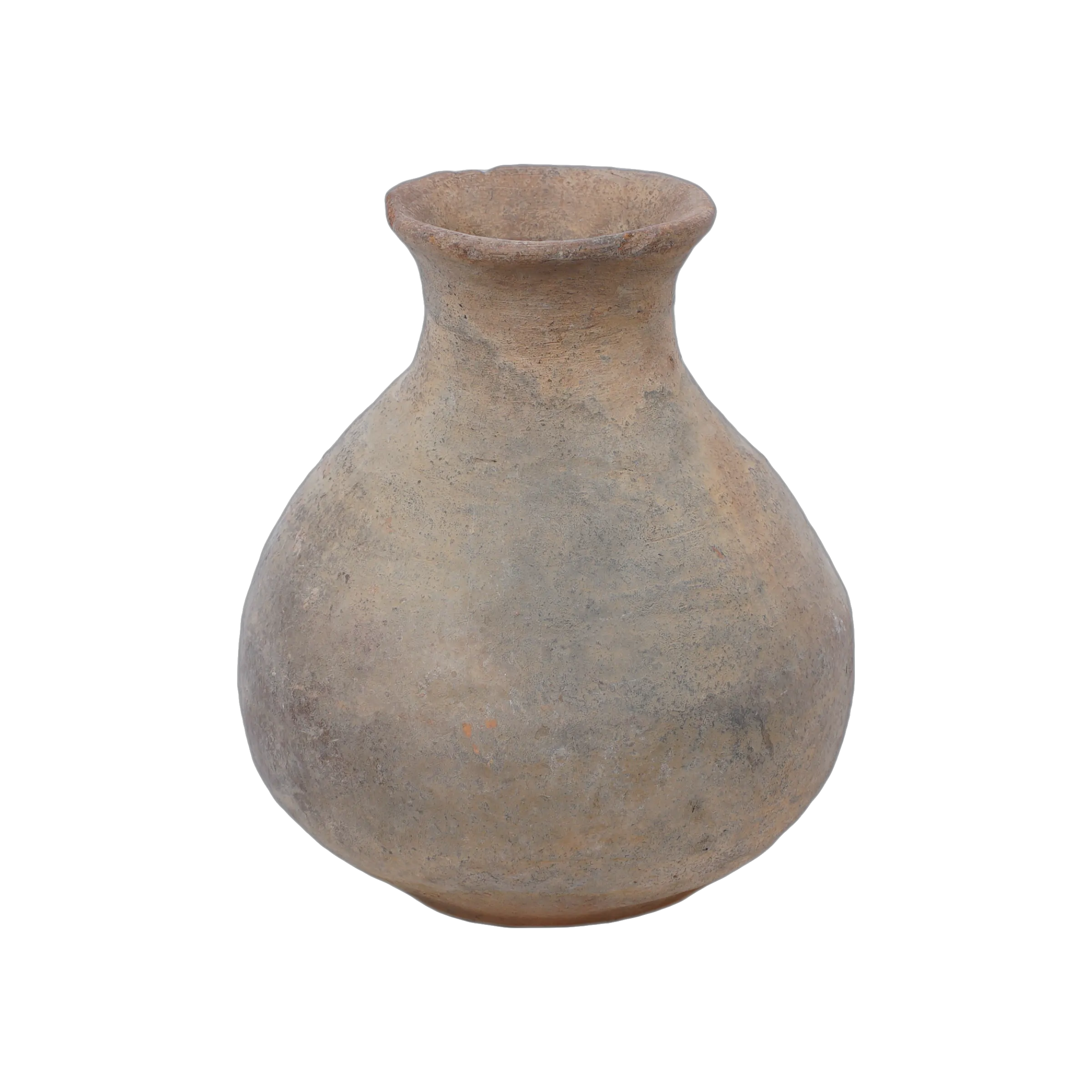
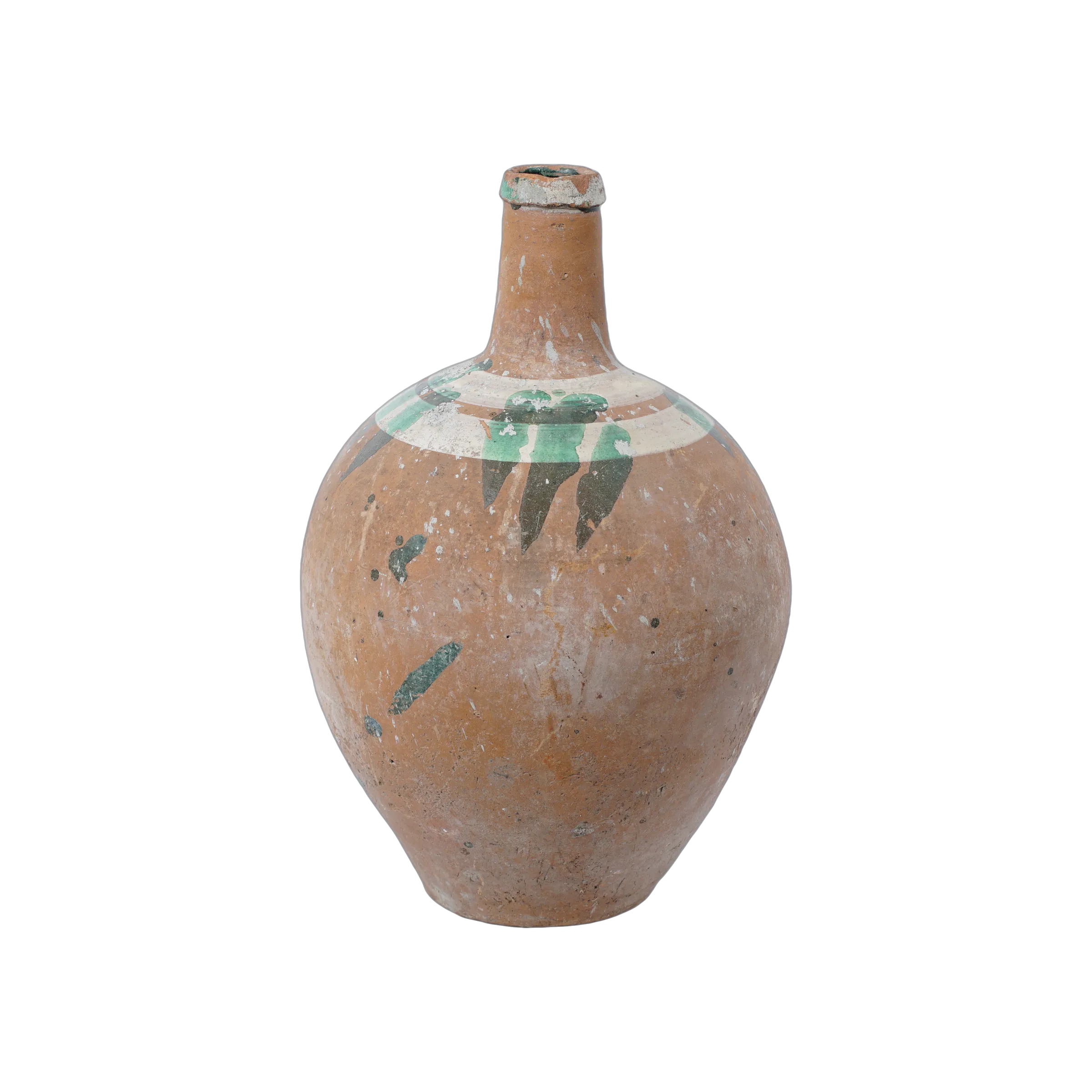
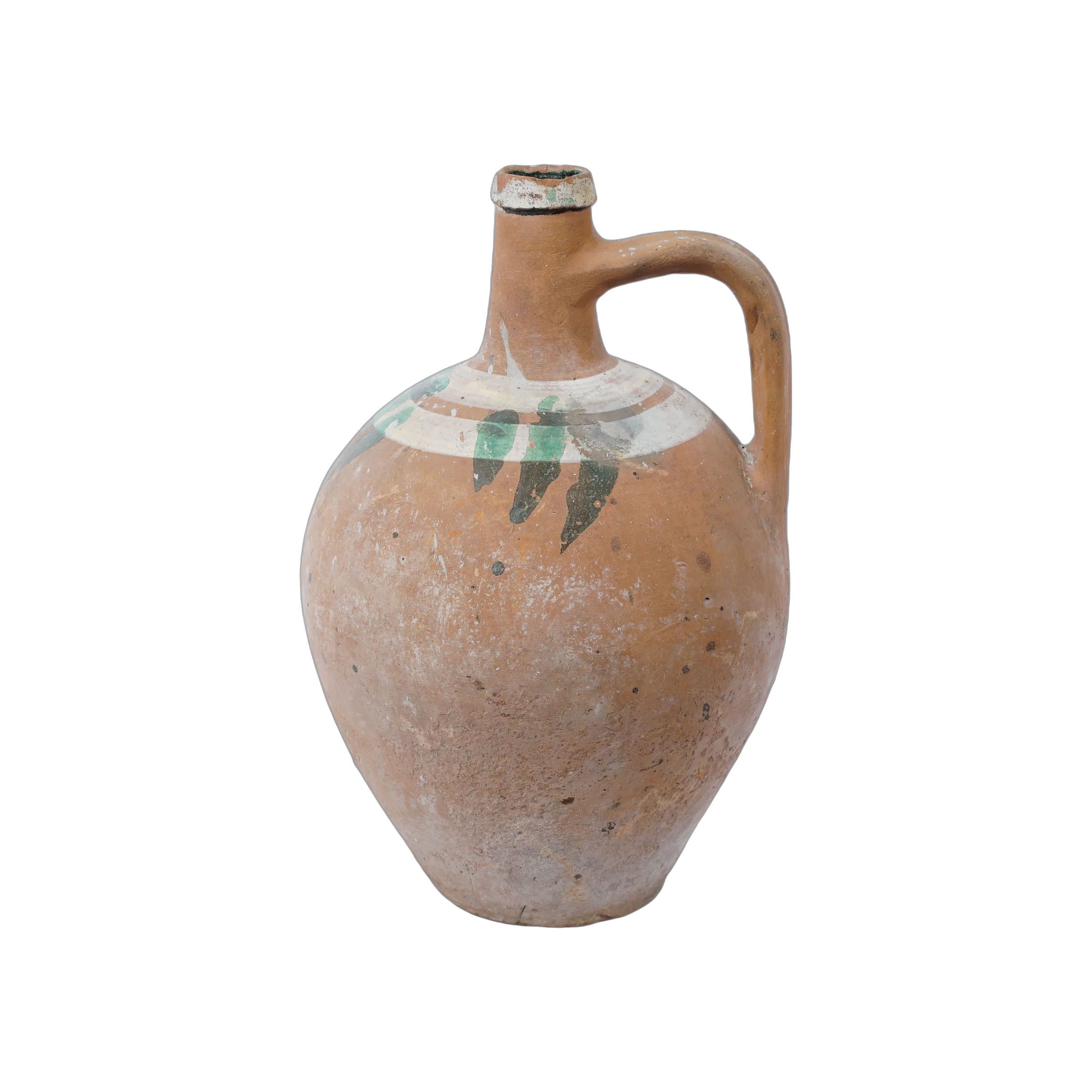
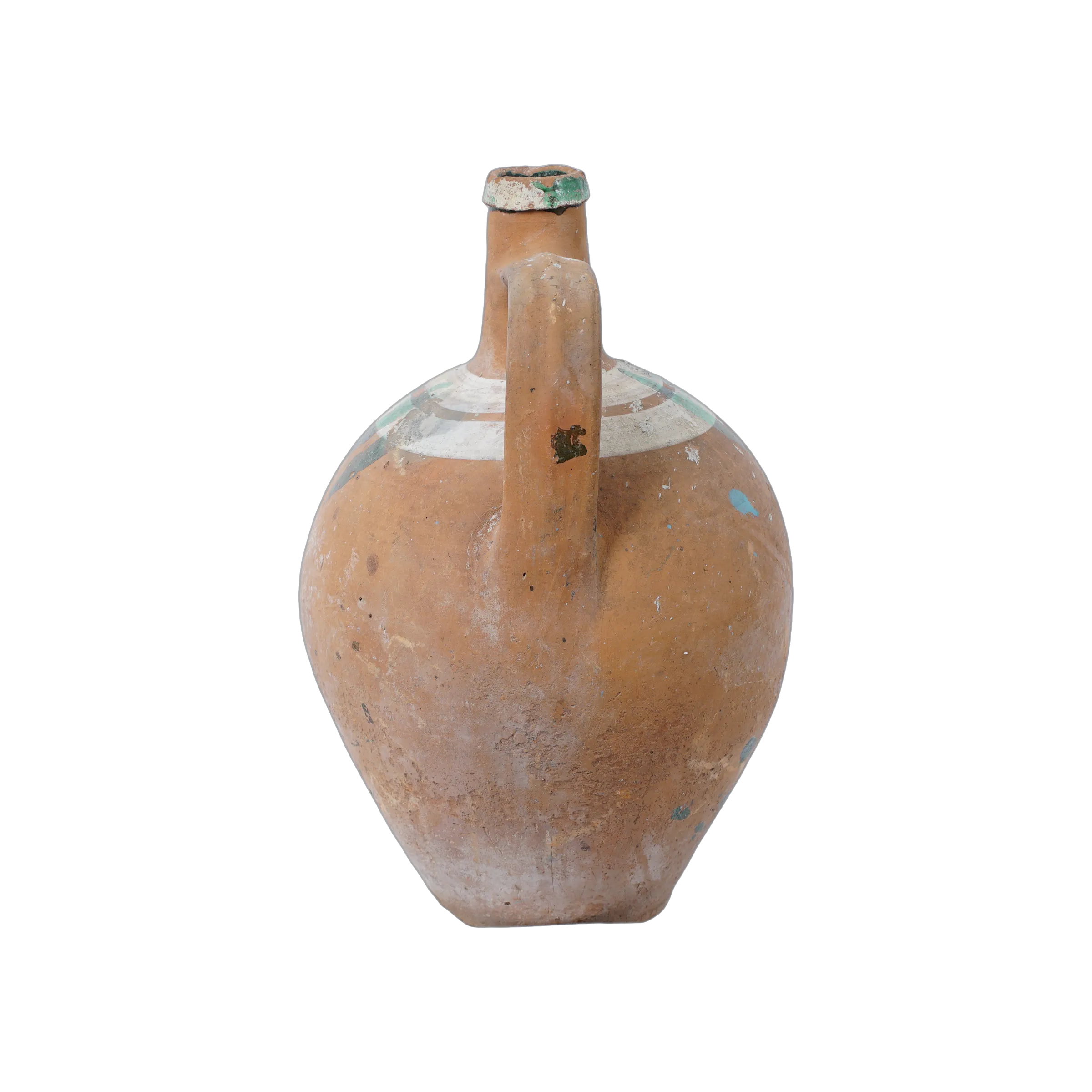
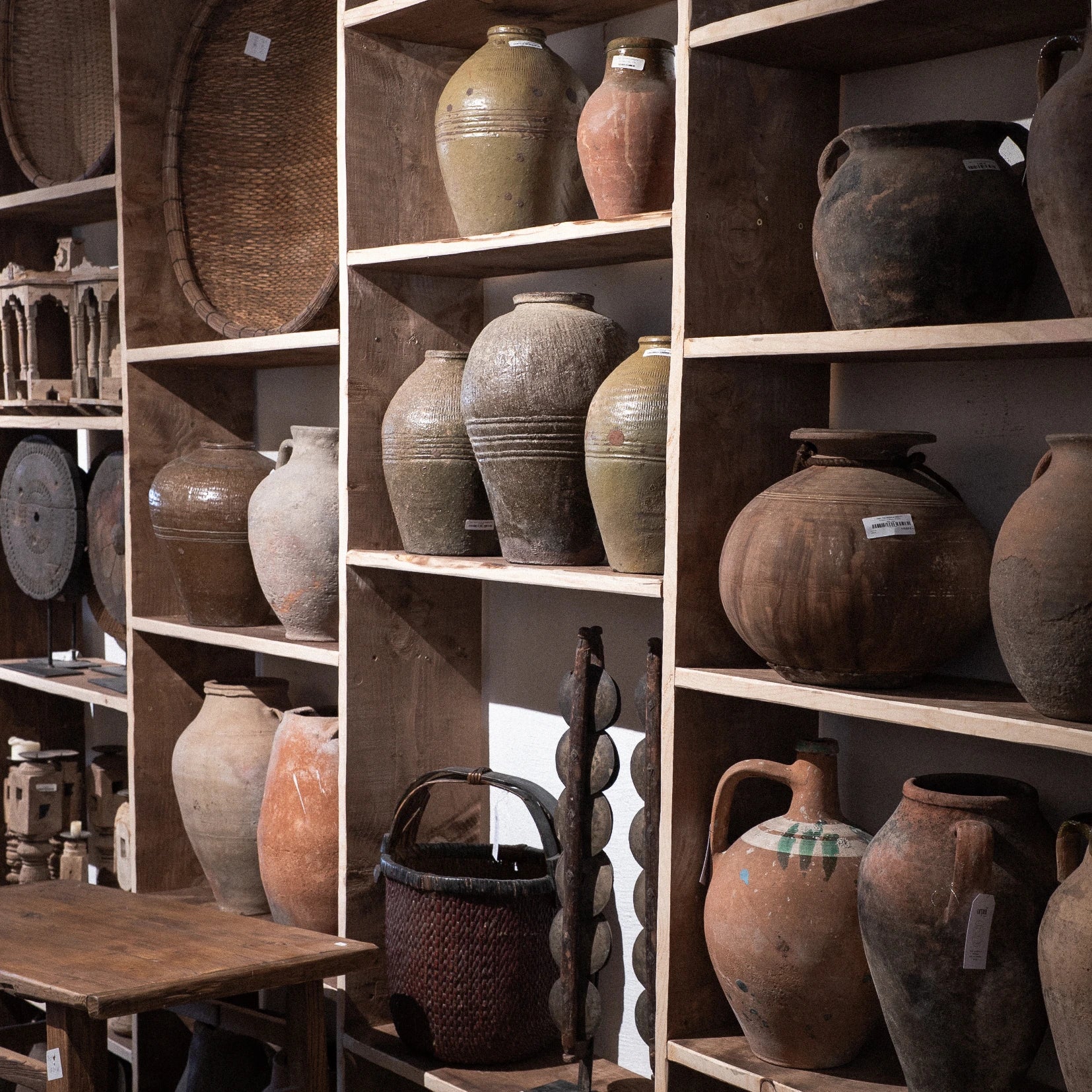
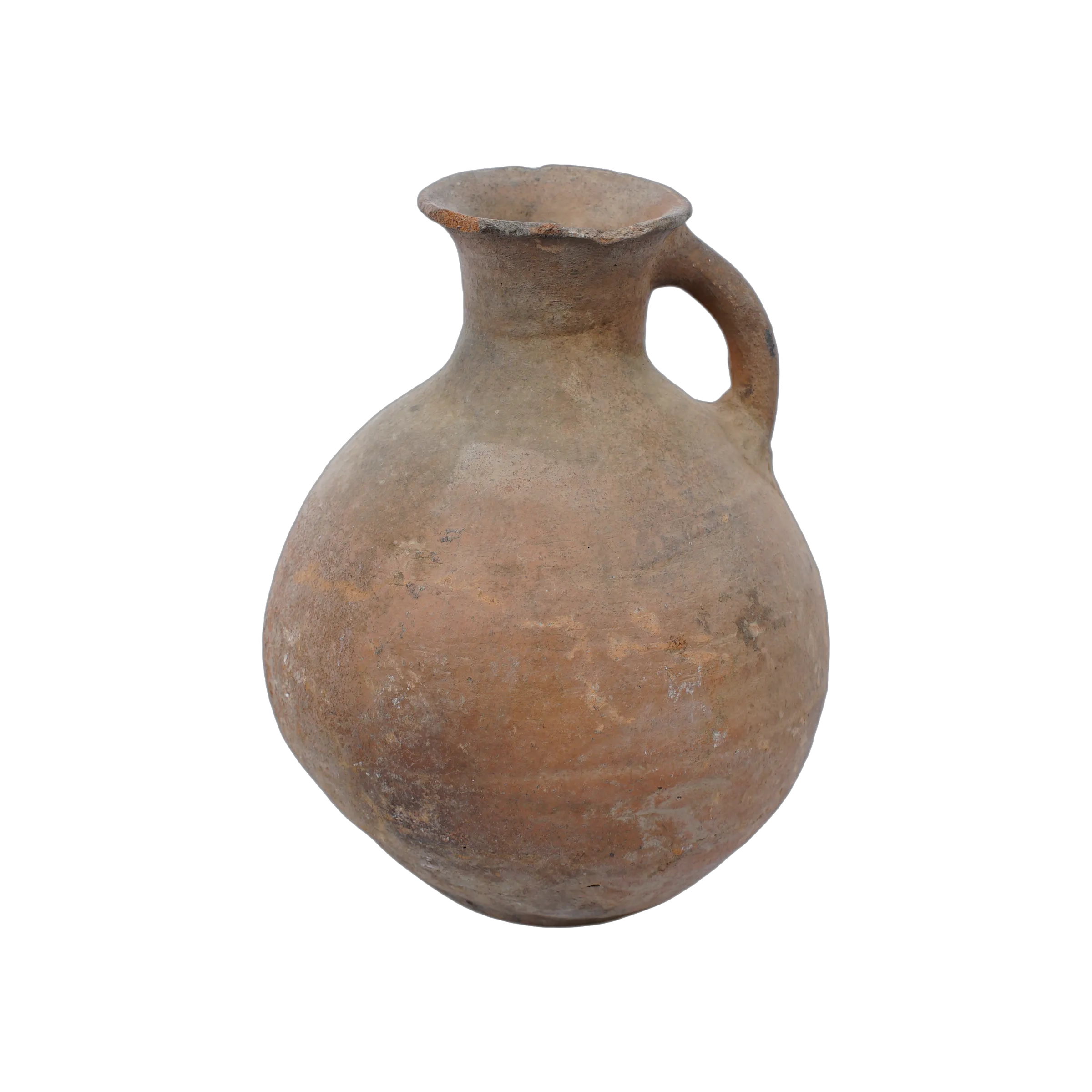
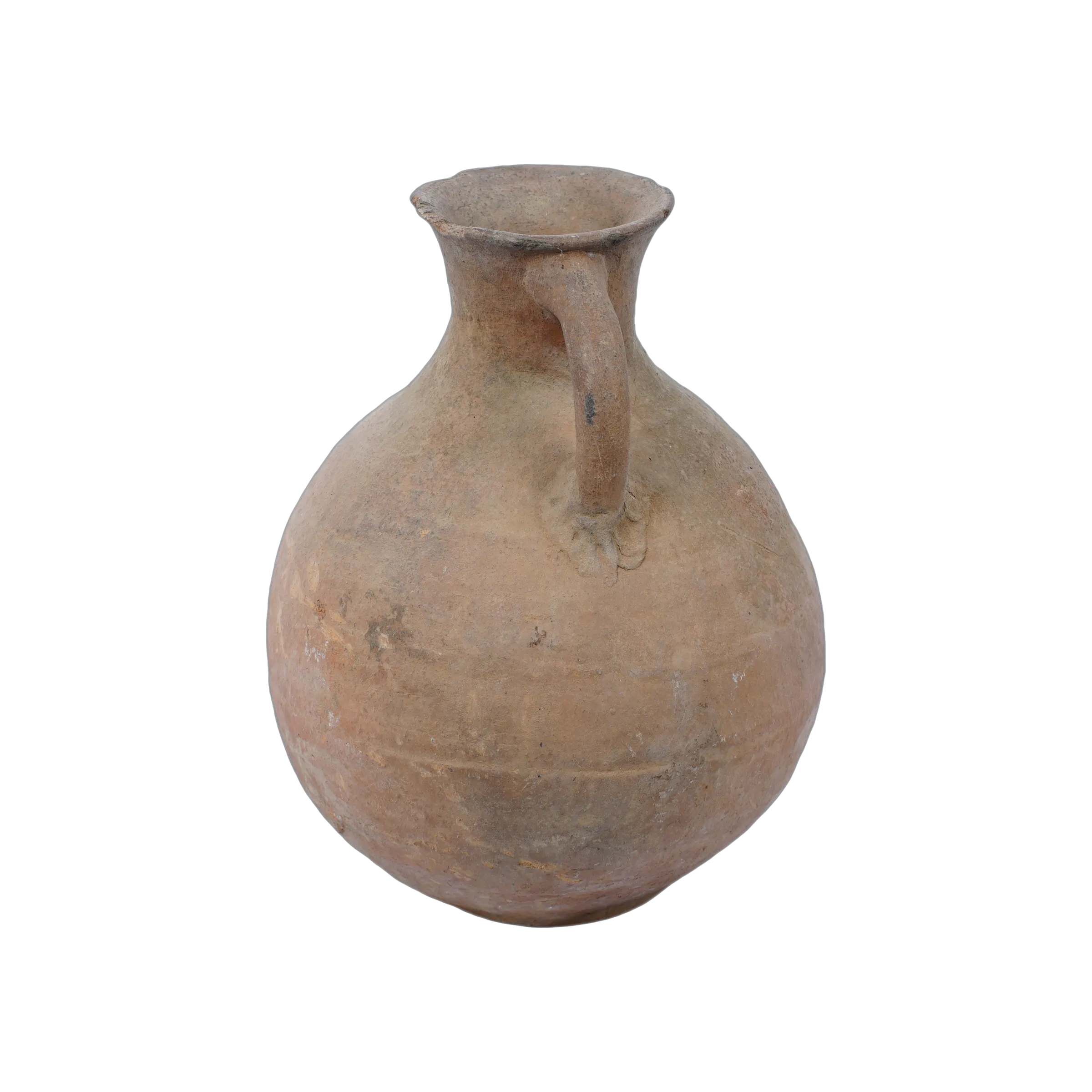
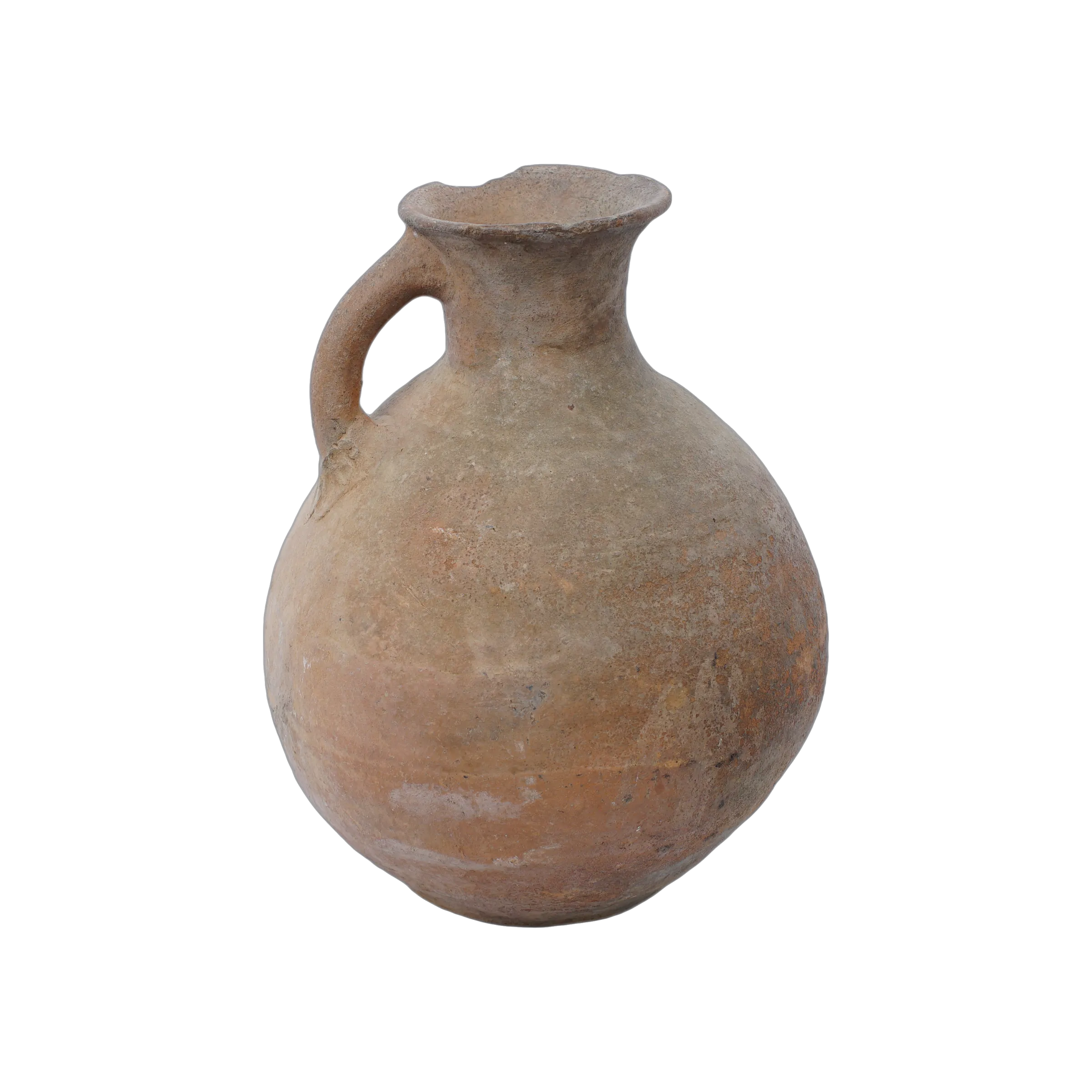
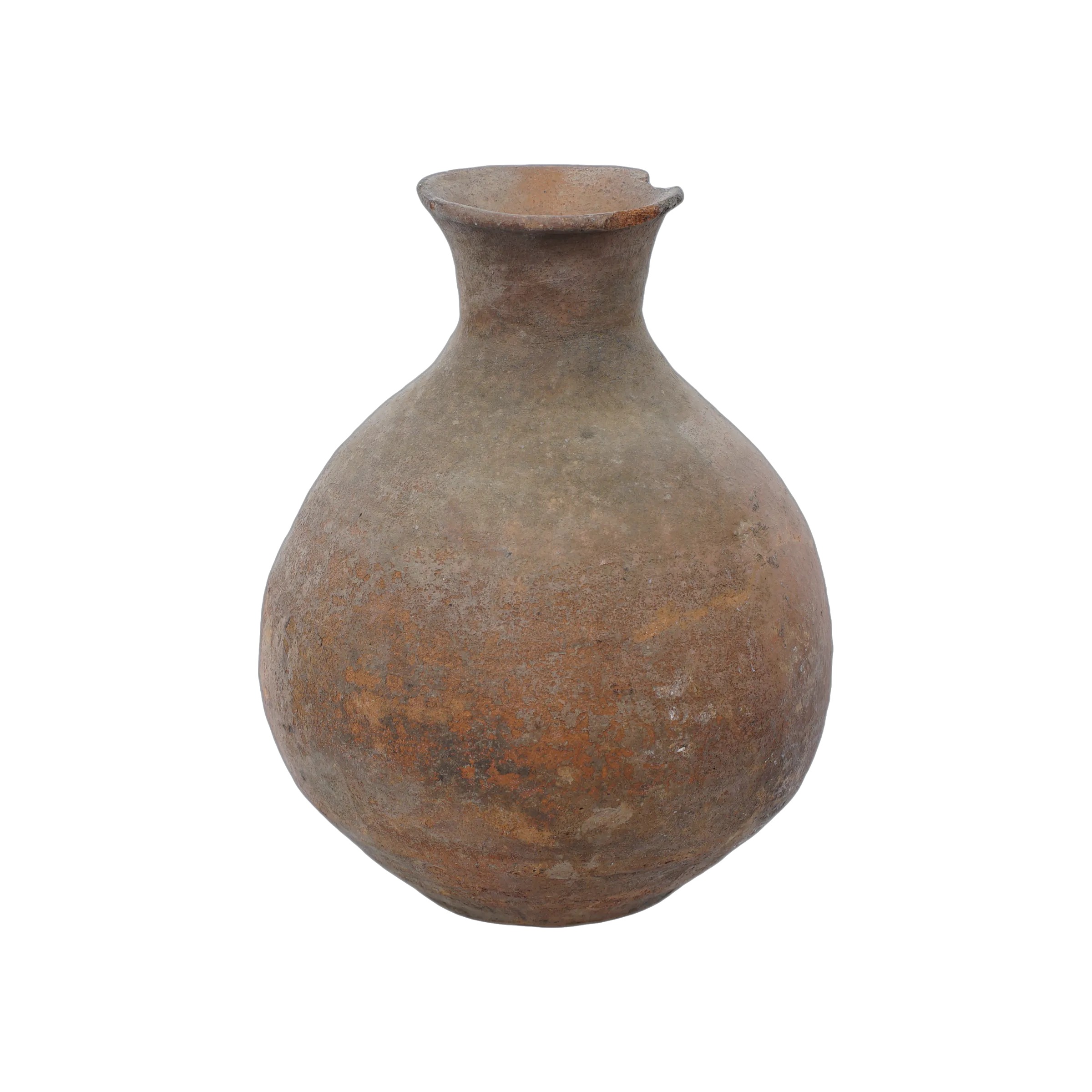
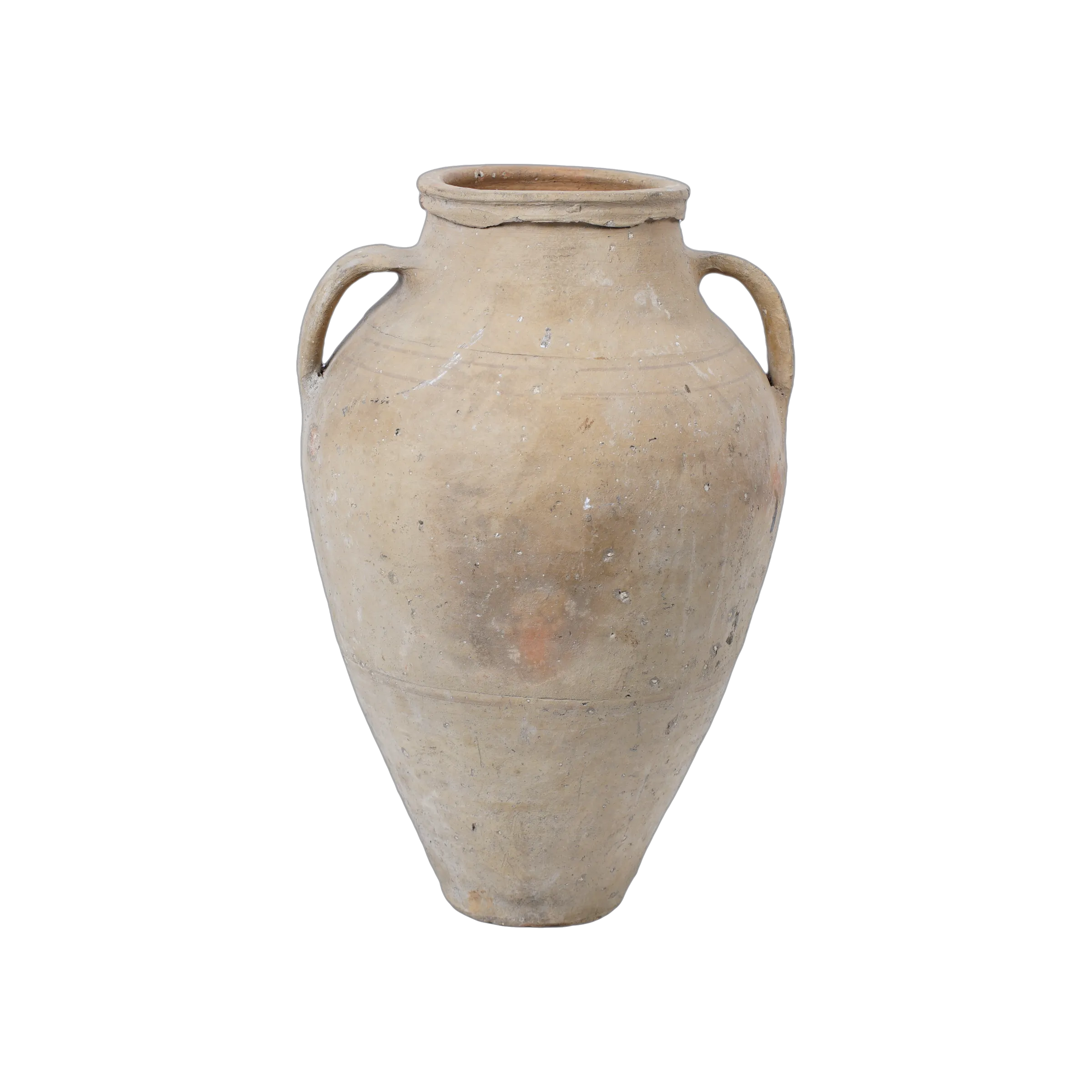
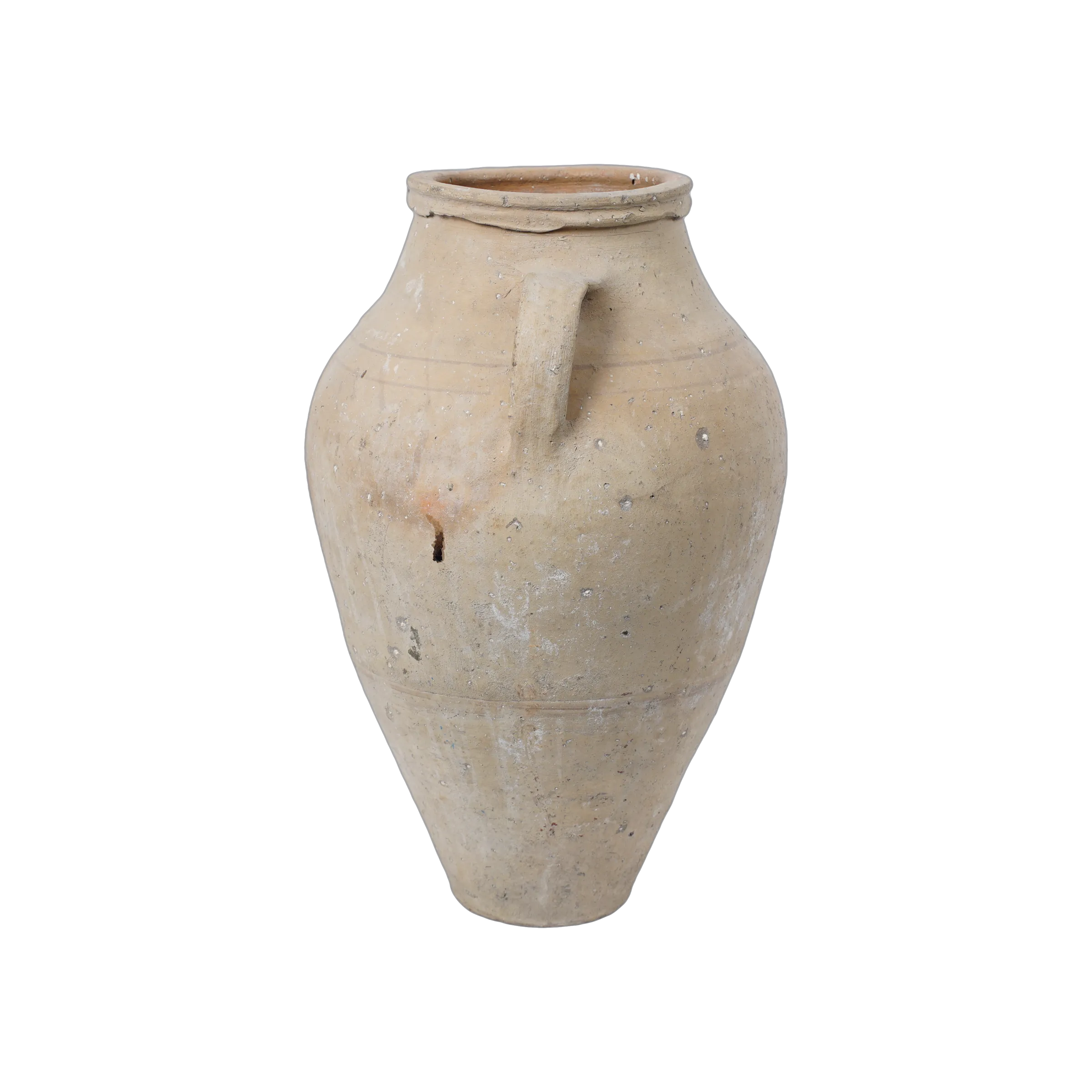
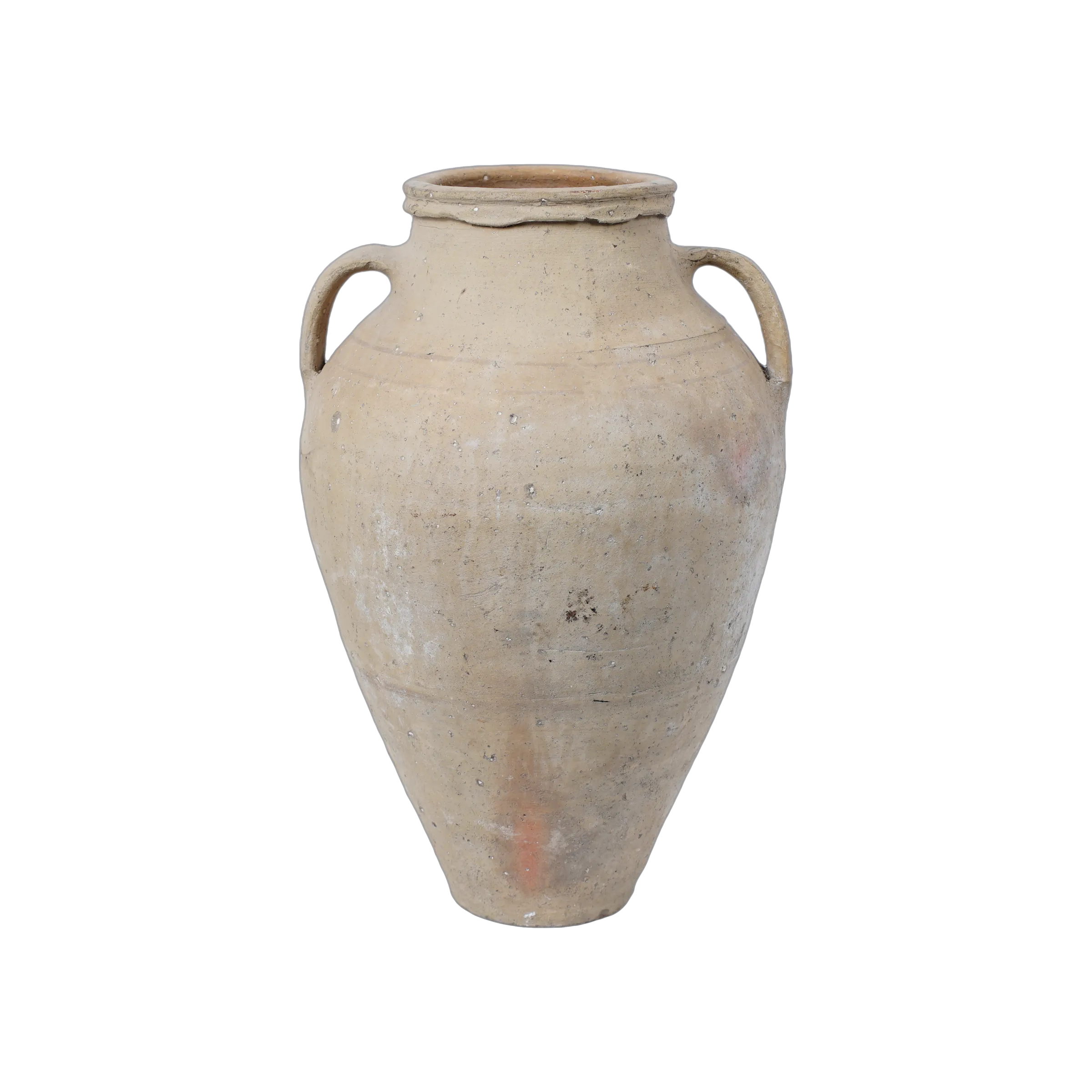
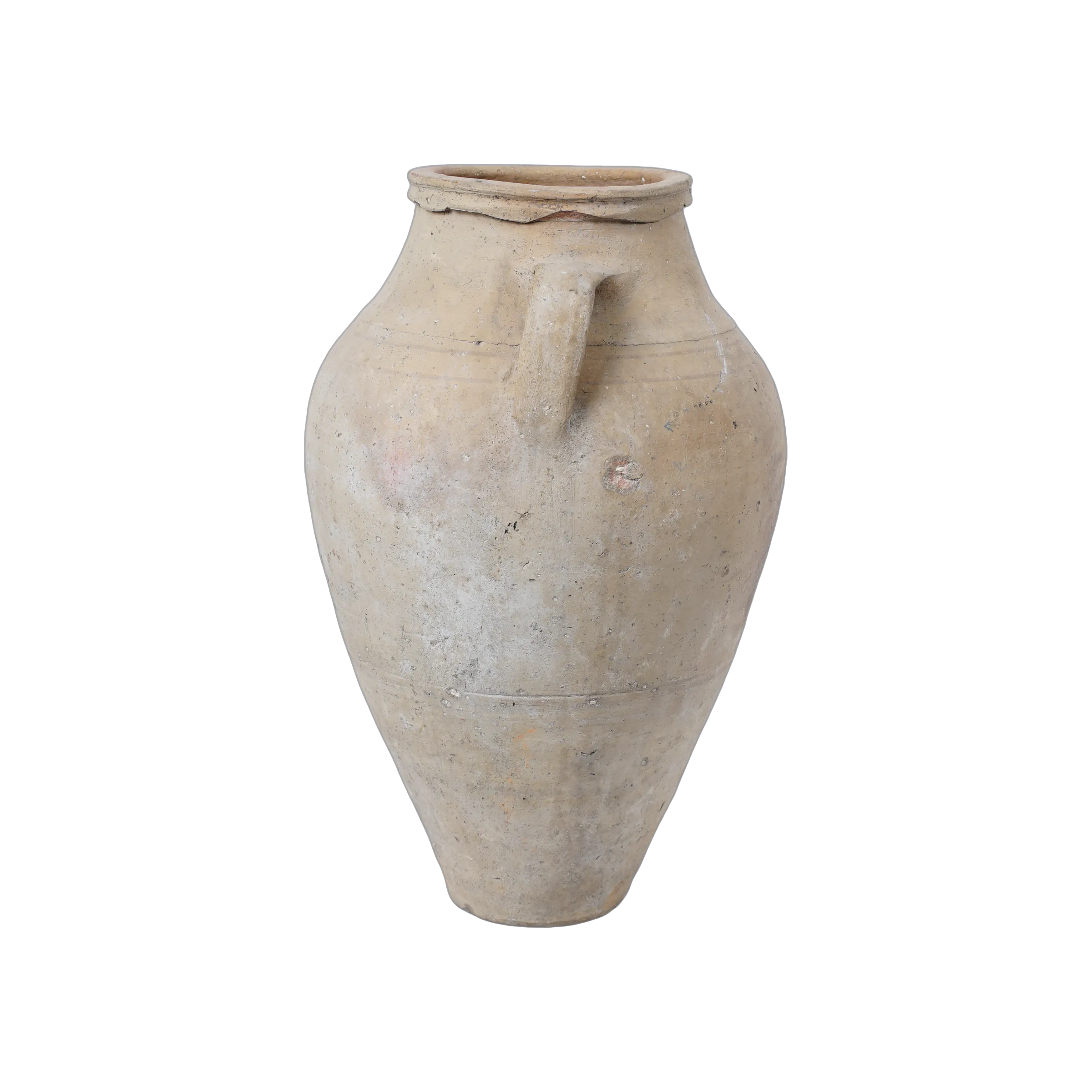
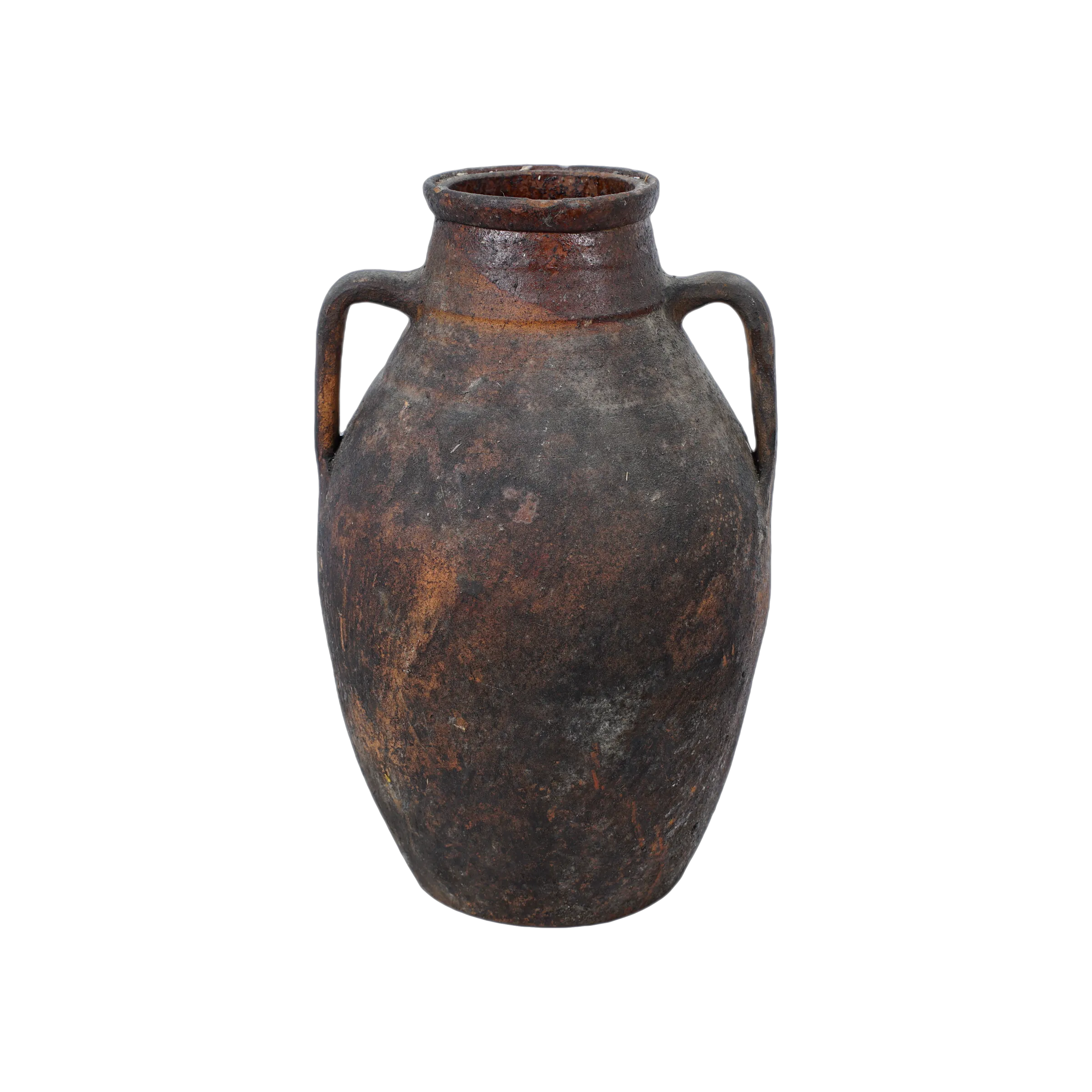
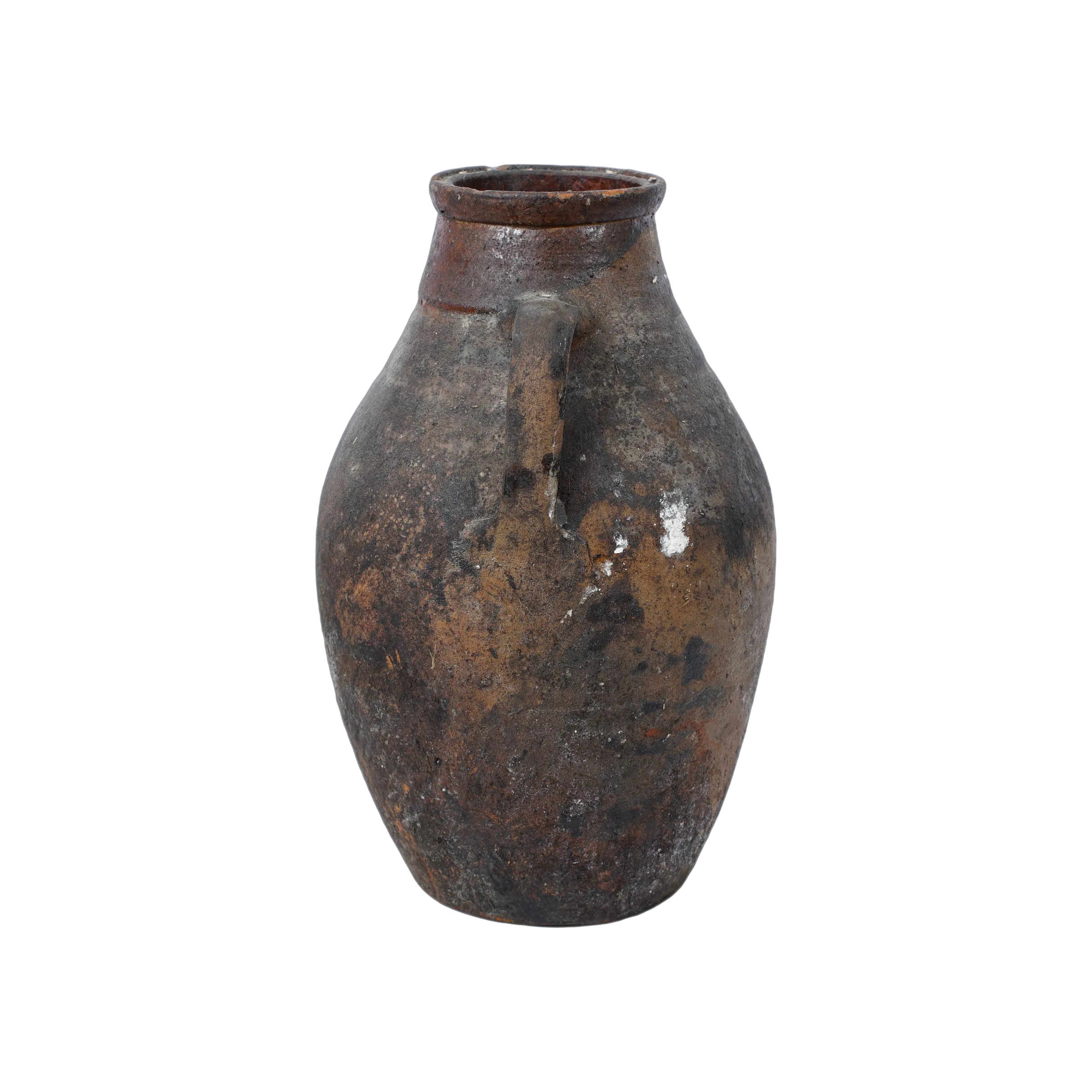
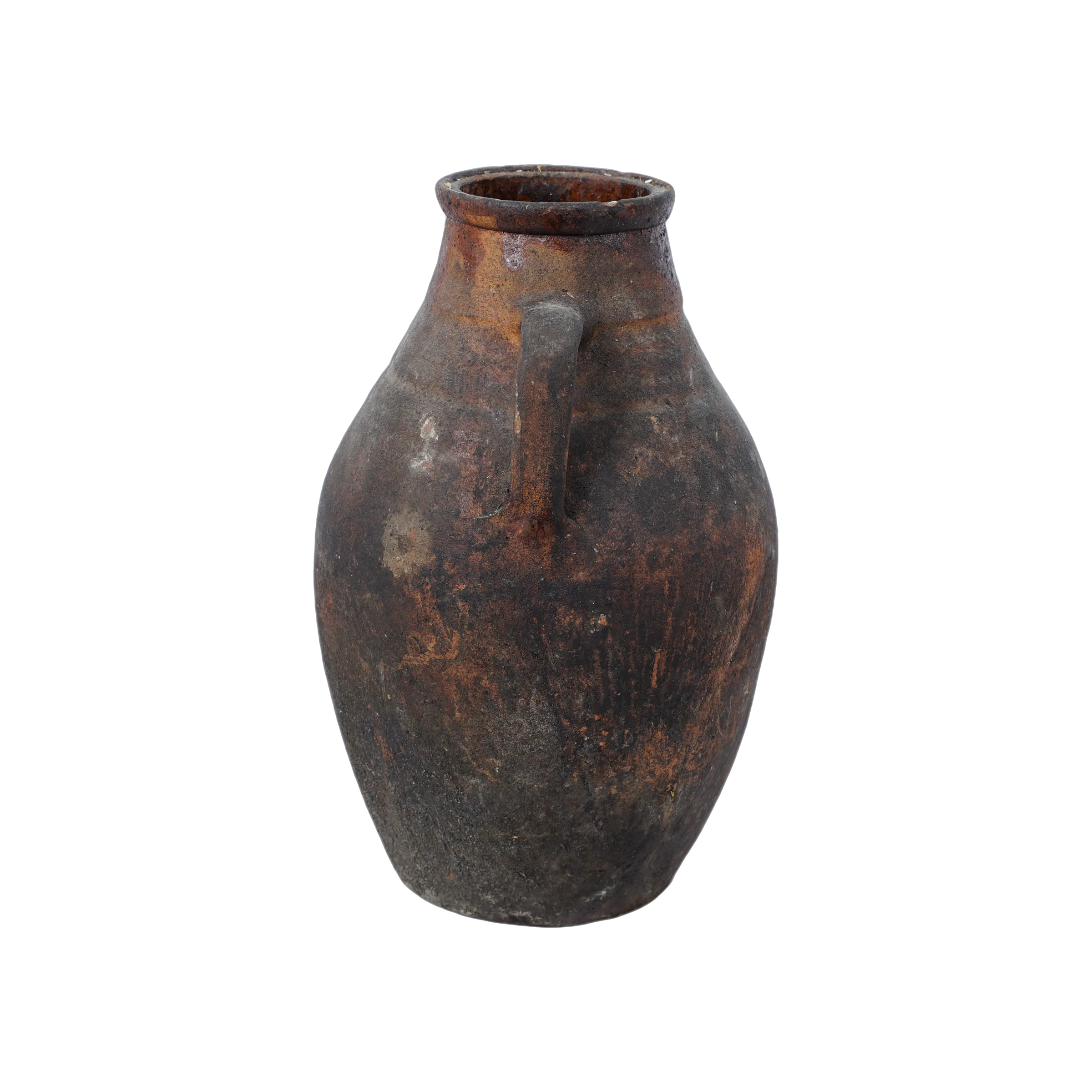
Before becoming decorative objects, these jars served above all a practical purpose.
They could be used to store or transport various goods and bear witness to the many exchanges that took place around the Mediterranean.
This is why some shapes may recall Greek jars or other Mediterranean vessels. These objects also tell the story of the movements of people, goods and know-how.
During selection, we pay particular attention to their condition. Old jars may show signs of age, which is precisely what gives them their charm, but they must remain sturdy enough. We also check their balance, particularly because some have a very narrow base and must be able to stand properly.
Pieces intended for export also go through the procedures set by the Turkish authorities, to guarantee their provenance and quality.
There is no magic catalogue from which we choose the next Orpaï pieces.
Our work is rather about exploring, comparing, talking, learning and rummaging.
Sometimes we walk through a huge warehouse for several hours before finding a few pieces. Sometimes a discovery happens at a bend in the road or thanks to someone we met on a previous trip.
And above all, every trip lets us sharpen our eye and expand our address book.
It is work that takes time, but that is precisely what we enjoy: being able to offer you objects that we have seen, touched and selected ourselves, while discovering the craftsmanship and stories of the regions they come from.
Because beyond a piece of furniture or a jar, what we look for at Orpaï are pieces with presence, a history and something singular to tell.
It's China in September. Follow our adventures on Instagram
Frequently asked questions
At Orpaï, we travel directly to India, China and Turkey to source our old furniture, jars and decorative objects. We visit warehouses, workshops, markets and small local suppliers in order to select each piece one by one. The chosen pieces are then shipped to our showroom in Provence before being prepared for delivery.
India has a great diversity of craftsmanship from one region to another. We source in particular in Rajasthan and Gujarat, known for their tradition of woodworking and wood carving, but also in less-visited regions such as southern India, Nagaland and Orissa.
Each piece of furniture is individually selected on site. We check in particular the condition of the wood, the stability of the piece, its proportions, its patina, any repairs... This hands-on selection allows us to favour old furniture with character rather than choosing our pieces solely from a catalogue or from photographs.
The Chinese market includes both old furniture and many reproductions. That is why we work with suppliers we know and with whom we have built a relationship of trust. We particularly favour old Chinese folk furniture, once used in homes, and look for signs of age such as the patina of the wood, marks of use or certain old repairs.
Chinese folk furniture refers to everyday furniture once used in Chinese homes: sideboards, consoles, wardrobes, benches or small storage units. We particularly appreciate their clean lines, simple proportions and wood patinated by the years.
The old jars we source in Turkey come from different regions of the country. They are sometimes gathered by families and suppliers with contacts in several villages, including in more remote mountainous regions. Traditionally used to store or transport goods, these large terracotta jars have different shapes and patinas depending on their origin and history.
Our aim is to introduce old furniture, handcrafted objects and craftsmanship from elsewhere while respecting the regulations of the countries in which we work. We pay attention to the rules governing the export of old pieces and to local procedures. For us, showcasing Indian, Chinese or Turkish craftsmanship also means respecting the history and heritage from which these objects come.
Read more
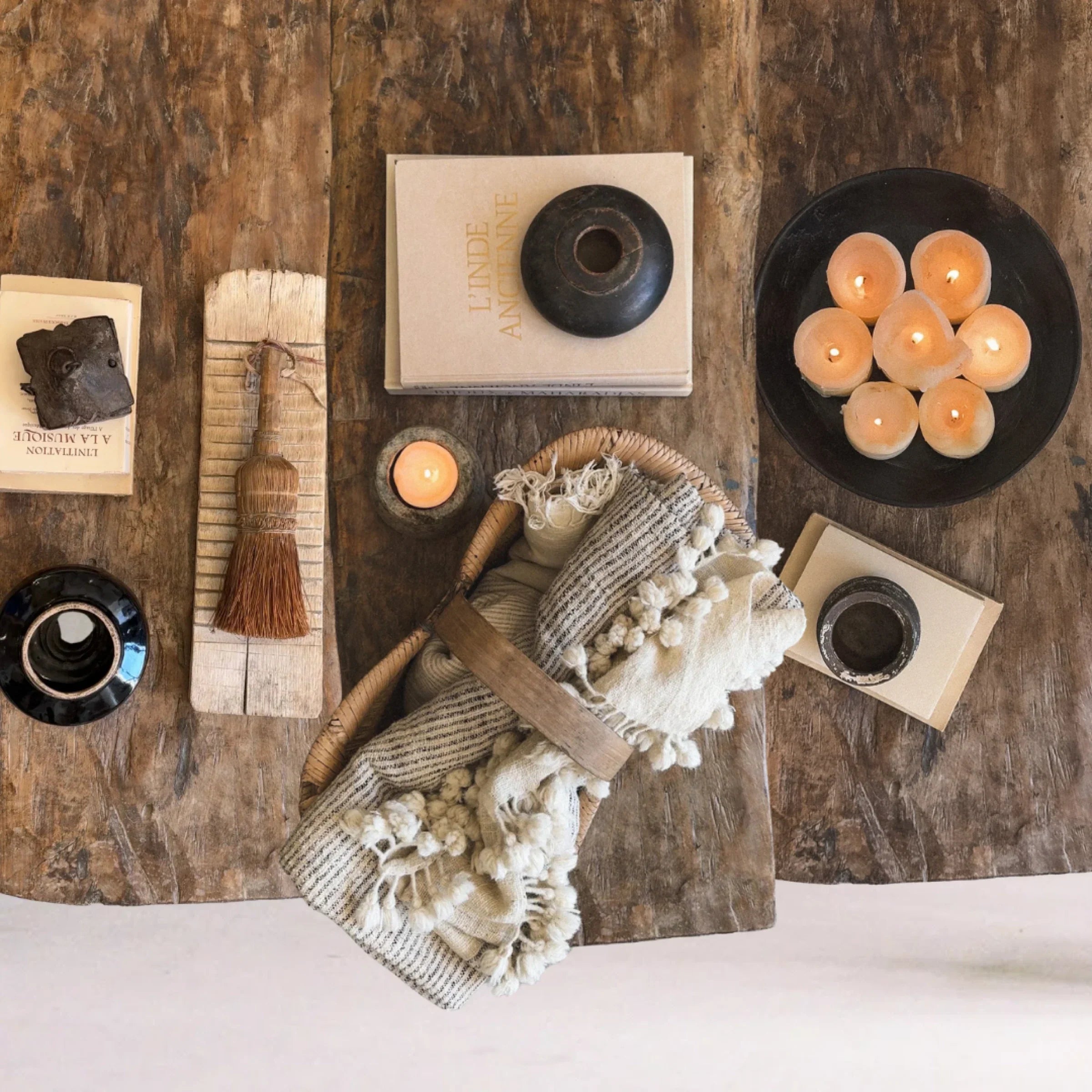
Discover how to decorate a coffee table with taste: which objects to choose, how to arrange them, colours, materials and decor ideas to create a harmonious living room.
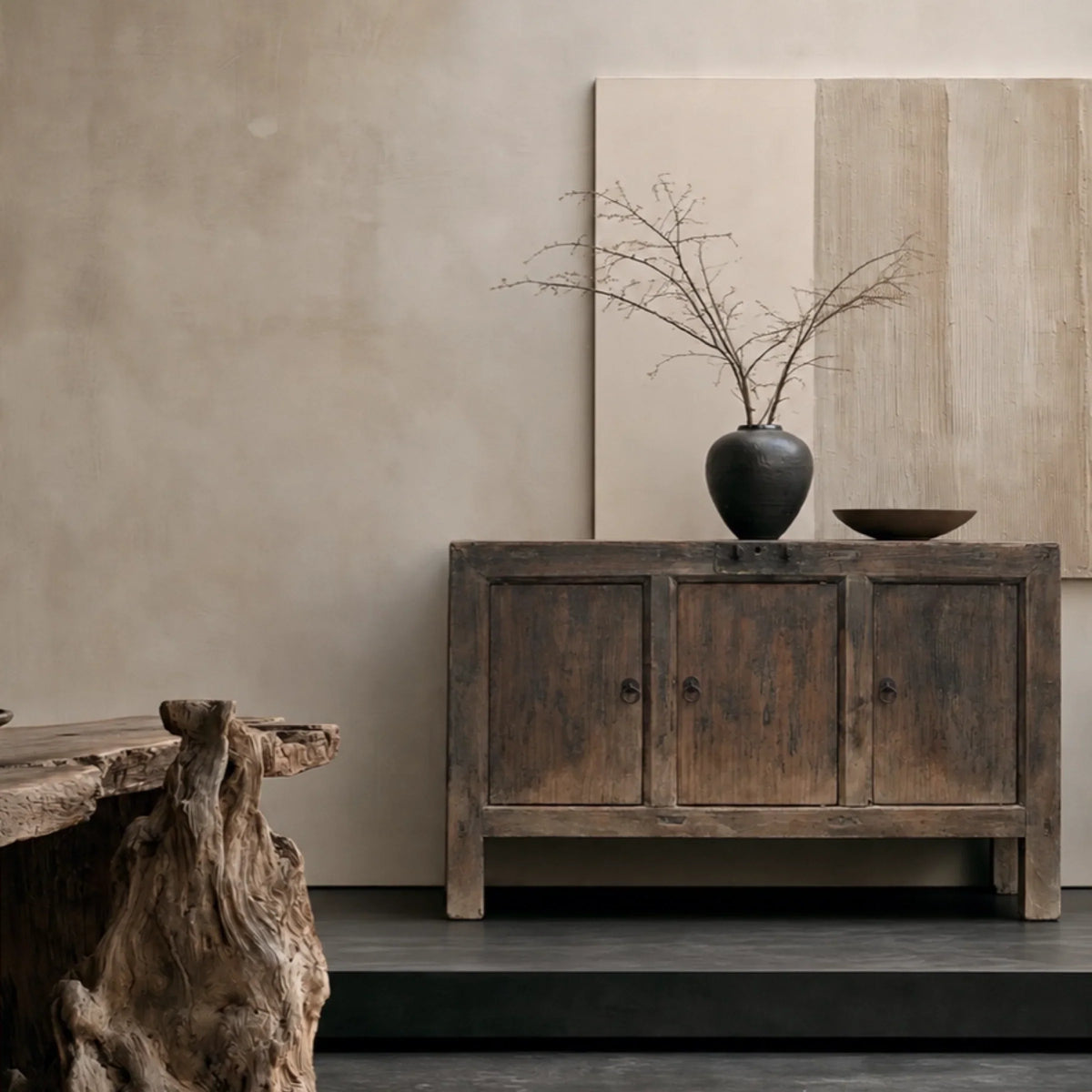
Discover the history of our old Chinese sideboards in solid elm: former grain chests restored by craftsmen, with their unique patina, their original details and our ideas for bringing them into a c...